
Comprehensive Guide to Water Softening Solutions for Home and Industry
Discover the comprehensive guide to water softening systems, their benefits, types, and how they can improve water quality in homes and industries. Learn about different solutions tailored for city and well water, and how complete mineral removal enhances appliance longevity and cleaning effectiveness. This detailed article helps you make informed decisions for optimal water management, reducing costs and preventing scale buildup efficiently.
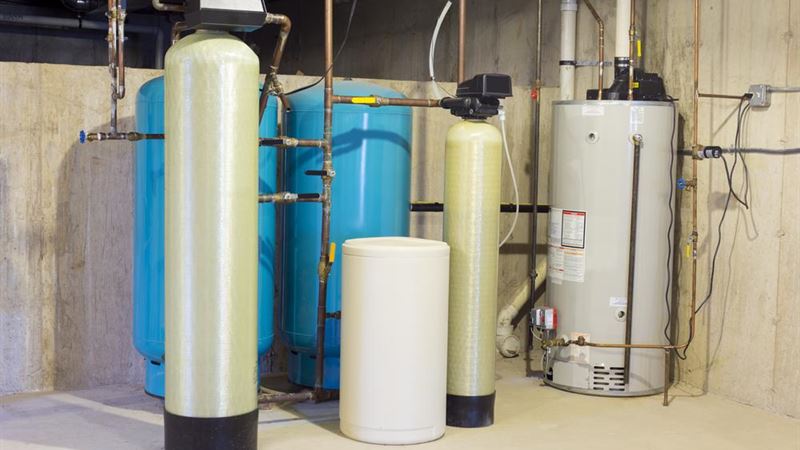
Hard water presents a persistent challenge in residential and industrial settings, leading to increased energy consumption, appliance wear, and cleaning complications. Installing water softening systems can significantly alleviate these issues by converting hard water into soft, more manageable water. Understanding the characteristics of hard water, how water softeners operate, and selecting the appropriate system tailored to your water source are essential steps toward enhancing your household and industrial water quality. This extensive guide offers insights into the types and benefits of water softening technologies, ensuring you make informed decisions to optimize water usage effectively.
Hard water is distinguished by its high mineral content, primarily calcium and magnesium salts, which significantly influence everyday household functions. This mineral-laden water interferes with cleaning efficacy, impacts appliance lifespan, and causes buildup in plumbing systems. Over time, these mineral deposits can inhibit efficient heating, reduce the lifespan of household appliances, and lead to increased operational costs.
Understanding Hard Water and Its Diverse Impacts
Hard water derives its name from the mineral salts dissolved within it. These salts, primarily calcium carbonate and magnesium carbonate, originate from natural sources such as limestone, chalk, and mineral-rich soil. While these minerals are not inherently harmful to health in small quantities, their presence in household water creates numerous undesirable effects.
One of the most noticeable issues associated with hard water is its tendency to react negatively with soap and detergents. Instead of forming a rich lather, soap reacts with the dissolved minerals to produce soap scum, which diminishes cleaning effectiveness in laundry, dishwashing, and personal hygiene. This leads to the necessity of using higher quantities of cleaning agents, increasing household expenses.
Beyond cleaning challenges, mineral deposits from hard water accumulate over time within plumbing systems and appliances. In water heaters, these deposits form scales on heating elements, acting as insulators that hinder heat transfer. This reduces energy efficiency, requiring more electricity or fuel to achieve desired water temperatures.
In gas or oil-based water heating systems, mineral buildup can act as a barrier, preventing water from reaching optimal temperatures. As a result, household energy consumption intensifies, adding to operational costs. Furthermore, mineral deposits can clog or damage plumbing joints, leading to costly repairs and reduced water flow.
Hard water also adversely affects household textiles and kitchen procedures. Clothes washed with hard water tend to feel rougher, appear duller, and are more prone to wear. Cooking procedures such as boiling eggs or preparing dishes where water quality is critical become less efficient, often requiring additional time and energy input. The effects extend to appliances like dishwashers, washing machines, and coffee makers, where mineral buildup can impair functionality and durability.
How Water Softeners Transform Water Quality
Water softening is a process designed to remove or neutralize the mineral salts responsible for water hardness. By treating the water before it reaches your household or industrial processes, water softener systems can dramatically reduce the negative effects associated with hard water.
These systems typically employ chemical or ion exchange mechanisms. The most common method involves replacing calcium and magnesium ions with sodium or potassium ions, effectively softening the water. The process involves passing hard water through resin beds or other mediums that attract and replace mineral ions, leaving behind softer water for household or industrial use.
Effective water softening can lead to a multitude of benefits, such as decreased soap usage, longer-lasting appliances, and more efficient heating. Furthermore, it greatly reduces mineral deposits in plumbing fixtures, prolonging their lifespan and maintaining optimal water flow and pressure.
The Importance of Complete Mineral Removal Versus Partial Solutions
While many water softening units claim to mitigate hardness, not all systems achieve total mineral removal. Some equipment primarily prevents scale formation on surfaces, protecting appliances but not entirely eliminating mineral content in the water. Partial softening may still allow some mineral buildup, which can limit the effectiveness of the treatment and not fully solve problems like scaling or detergent inefficiency.
For comprehensive water quality improvement, selecting systems that fully remove calcium and magnesium salts is crucial. These systems ensure that the water contains virtually no hardness minerals, offering the most benefits in cleaning performance, appliance longevity, and plumbing health. Achieving complete mineral removal results in pristine water quality, reducing maintenance needs and operational costs over the long term.
Varieties of Water Softening Systems for Different Water Sources
Since water mineral content varies according to geographic and source-specific factors, specialized treatment solutions are necessary. Different water sources—such as municipal supply or private wells—require tailored softening methods to achieve desired water quality.
City Water Softening Solutions
Municipal water supplies often contain varying degrees of mineral salts. Installing city water softening systems can improve water quality by reducing mineral content, enhancing cleaning efficiency, and preventing scale accumulation in appliances. These systems are straightforward, efficient, and suitable for most households supplied by city water.
Well Water Treatment Systems
Well water frequently exhibits higher mineral concentrations, including calcium, magnesium, iron, and manganese. Well water softener systems are specially designed to handle these contaminants, employing robust filtration and ion exchange processes to ensure safe, mineral-free water for household use. Proper maintenance and regular media replacement are essential for optimal performance.
Industrial and Commercial Water Softening Equipment
Industrial operations and large facilities often encounter high-volume water hardness issues, potentially damaging machinery or affecting product quality. Commercial water softeners are engineered to handle significant water flow rates and variable mineral contents. These systems help industrial processes run smoothly, reduce equipment downtime, and extend machine life.
Before selecting a softening method, it’s important to assess your specific water characteristics and needs. Choosing the right system ensures maximum effectiveness, cost-efficiency, and long-term reliability in maintaining water quality.
In conclusion, whether for residential comfort or industrial efficiency, water softener systems play a vital role in combating the adverse effects of hard water. By understanding your water source, selecting the appropriate technology, and implementing comprehensive softening solutions, you can enjoy cleaner, more efficient, and longer-lasting water-related systems.