
Comprehensive Guide to Recognizing and Preventing Osteoporosis Symptoms
This comprehensive article provides detailed insights into recognizing early and advanced symptoms of osteoporosis, methods for diagnosis, and practical strategies for prevention. Learn how to identify subtle signs before severe complications occur and adopt lifestyle changes to maintain strong bones throughout aging.
Early Symptoms and Indicators of Osteoporosis
- Increased bone fragility after minor impacts
Individuals may notice that bones break or crack more easily than before, even from accidental minor falls or bumps. Such fragility suggests a decline in bone density that warrants medical evaluation. - Receding gums and dental issues
Bone loss in the jaw can lead to weakening of the gums, resulting in receding gum lines and loose teeth. This dental deterioration is often an overlooked sign of systemic bone loss. - Reduced grip strength
Unfortunately, decreased grip strength has been linked to low bone mineral density, serving as a simple yet effective functional marker to identify potential osteoporosis risk. - Brittle or fragile fingernails
Changes in fingernail texture, such as increased brittleness or splitting, may indicate compromised bone health, since nails derive nutrients from systemic resources that are affected in osteoporosis.
Advanced Symptoms that Signal Severe Bone Loss
- Unexpected height reduction
Continuous loss of height over time is a hallmark sign of vertebral compression fractures. As the spinal bones weaken and collapse, individuals may notice they are shorter than before. - Bone fractures with minimal trauma
Fragile bones are particularly susceptible to fractures, even from everyday activities such as coughing, sneezing, or minor falls. Common fracture sites include the hips, wrists, and vertebrae. - Postural abnormalities
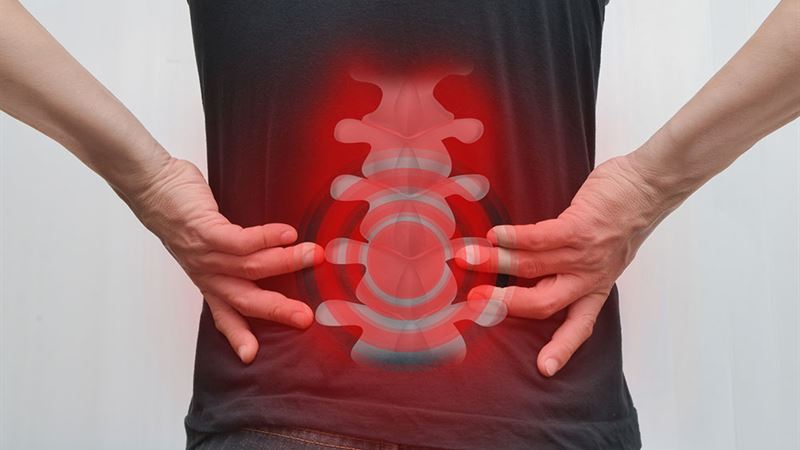
Progressive kyphosis, or a stooped posture caused by vertebral collapse, is a significant indicator of severe osteoporosis affecting the spine. - Persistent back or neck pain
Fractures or structural changes in bones can cause chronic discomfort, which may worsen over time without proper treatment.
Diagnosing Osteoporosis
Preventive Strategies and Lifestyle Modifications
- Optimal calcium intake
Incorporate calcium-rich foods into your diet, such as low-fat dairy products, sardines, salmon, and fortified plant-based milks. Leafy greens like broccoli, kale, collard greens, and bok choy are also excellent sources of calcium, supporting bone mineralization. - Vitamin D supplementation
Sun exposure is vital for vitamin D synthesis, which enhances calcium absorption. Aim for at least 15 minutes of sunlight daily, and consider vitamin D supplements after consulting with a healthcare provider, especially in regions with limited sunlight. - Engage in weight-bearing physical activity
Exercises such as walking, jogging, dancing, or resistance training stimulate bone production and help preserve bone density. Regular physical activity is a cornerstone of osteoporosis prevention. - Avoid smoking and excessive alcohol consumption
Both habits are associated with increased bone loss and fracture risk. Quitting smoking and moderating alcohol intake are crucial for maintaining healthy bones.
In summary, recognizing the signs of osteoporosis early and adopting preventive lifestyle habits can significantly reduce the risk of fractures and improve long-term bone health. Consulting healthcare professionals for proper diagnosis, treatment, and guidance remains essential for managing this silent but common disease effectively.