
Comprehensive Guide to Selecting the Perfect Garage Floor Finish
Discover detailed insights on selecting the best garage floor coating, including epoxy, polyurea, rubber tiles, stains, and DIY options. Learn about costs, benefits, installation tips, and maintenance to create a durable and stylish garage space tailored to your needs and budget.
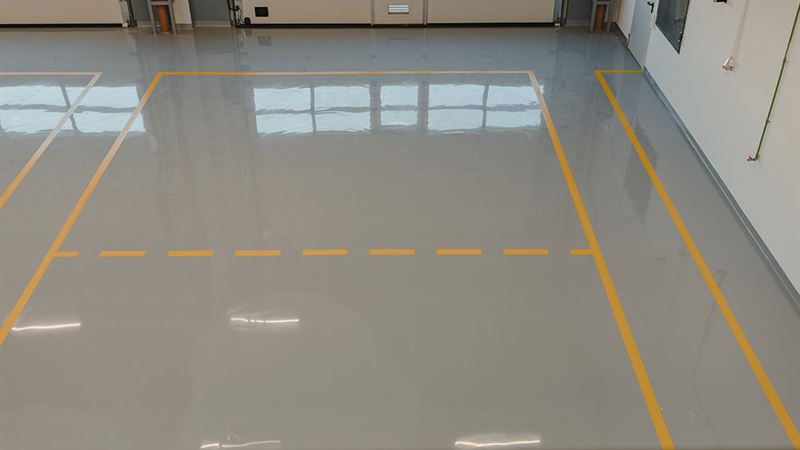
Choosing the right flooring for your garage is essential to enhance durability, safety, and visual appeal. With the variety of options available today, making an informed decision requires understanding the specific characteristics, benefits, and costs associated with each type of garage floor coating. This extensive guide will walk you through the most popular garage flooring solutions, helping you determine the best fit for your needs and budget. From epoxy and polyurea to rubber tiles, stains, sealers, and DIY alternatives, we cover everything you need to know to transform your garage into a functional and stylish space.
Introduction
Garage flooring plays a pivotal role in ensuring your space is resilient against frequent foot traffic, vehicle weight, chemical spills, and general wear and tear. The right choice can prevent surface deterioration, make cleaning easier, and improve overall aesthetics. As homeowners seek cost-effective and durable solutions, understanding the nuances of each type of coating becomes crucial. This comprehensive guide aims to equip you with detailed insights into various garage floor coatings, their benefits, installation methods, costs, and maintenance requirements.
Epoxy Garage Floor Coatings: The Classic Choice
Epoxy remains one of the most tried-and-true solutions for garage flooring. It involves a two-part process—mixing resin with a hardener—before applying it to a prepared concrete surface. When applied correctly, epoxy forms a tough, shiny, and seamless surface that withstands many forms of damage. Its customizable nature allows homeowners to add decorative chips, flakes, or patterns, enhancing the visual appeal of the garage floor.
Advantages of Epoxy
- Exceptional durability and resistance to impact, abrasion, and chemical spills
- Very easy cleaning and maintenance, thanks to its smooth surface
- Wide variety of colors, patterns, and finishes for customization
- Relatively cost-effective, especially for DIY projects or professional installation
Limitations and Considerations
- Surface preparation is critical and can be labor-intensive
- Chipping or peeling can occur if the substrate is not properly prepared or if conditions are unfavorable during curing
- Vulnerable to UV damage unless UV-resistant topcoats are applied
Installation and Cost
Professional epoxy coating installation typically costs between $3 to $12 per square foot, depending on epoxy quality, surface condition, and labor. DIY epoxy kits can be a budget-friendly alternative, ranging from $50 to $600 based on coverage area and kit quality. Proper surface preparation, including cleaning and priming, is vital for longevity. For best results, allow curing time as specified—often 24 to 72 hours—before subjecting the floor to heavy use.
Modern Alternatives: Polyurea Floor Coatings
Polyurea coatings are an innovative evolution in garage flooring. They resemble epoxy in appearance but are remarkably more flexible, with quicker curing times and higher chemical resistance. This makes them especially suitable for garages with heavy vehicle traffic, chemical exposure, or where a quick turnaround is desired.
Advantages of Polyurea
- Rapid curing—often within 2-4 hours
- Flexible, reducing the likelihood of cracks and chips
- Excellent chemical, impact, and abrasion resistance
- Long-lasting and easy to maintain
Drawbacks
- Higher cost compared to epoxy, often ranging from $4 to $8 per square foot if professionally applied
- Requires specialized equipment and skills for proper application
- Limited color options compared to epoxy, but increasing with industry advances
Application and Costs
Polyurea coatings typically involve preparing the concrete, then applying with compressed air or rollers. Due to their quick cure time, process scheduling is simpler. Although more expensive than epoxy, their resilience and fast turnaround often justify the investment, especially in commercial or high-traffic residential garages.
Rubber Garage Flooring: Impact Resistance and Versatility
Rubber flooring has gained popularity for its robustness and ease of installation. Available as interlocking tiles or rolled sheets, rubber flooring is ideal for high-impact areas and places requiring slip resistance. It’s also appreciated for its ability to absorb shocks and insulate noise.
Types and Installation
- Rubber tiles with interlocking edges can be installed without adhesives, making replacements straightforward
- Rolled rubber sheets are bonded directly to concrete with adhesives, covering large areas seamlessly
Advantages
- Highly impact-resistant and durable against heavy loads
- Resistant to oil, grease, chemicals, and moisture
- Comfortable underfoot, reducing fatigue
- Easy to clean and maintain
Limitations
- Can be slightly more expensive than basic coatings, costing $3 to $7 per square foot depending on the type
- Seams in sheets may require sealing to prevent moisture ingress
- Mechanically sensitive if exposed to sharp objects or dragging heavy items
Enhancing Your Concrete: Stains and Sealers
For those seeking a budget-friendly way to upgrade concrete floors, staining and sealing are excellent options. They preserve the raw concrete while adding aesthetic appeal or protective qualities.
Concrete Stains
- Interactive, offering a marbled or mottled appearance
- Available in acid-based or water-based formulas, with various color options
- Add depth and character to plain concrete surfaces
- Best applied on clean, porous concrete for vibrant results
Concrete Sealers
- Provide a protective barrier against stains, spills, and moisture
- Can impart a glossy or matte finish, depending on the sealer type
- Enhance the natural appearance and color of concrete
- Cost-effective, generally ranging from $0.25 to $0.75 per square foot
DIY-Friendly Option: Floor Tiles
Floor tiles, especially interlocking or peel-and-stick varieties, offer a simple and customizable DIY solution. Available in materials like PVC, rubber, or composite, they allow homeowners to craft a unique look with minimal tools and effort.
Advantages
- Easy to install with minimal specialized skills
- Variety of colors, patterns, and textures for design flexibility
- Replaceable if damaged or outdated
Cost and Installation
Depending on the material, tile costs range from $1.50 to $10 per square foot. Users can select tiles based on their aesthetic preferences, durability needs, and budget.
Financial Considerations and Budgeting
The cost of garage flooring varies widely based on material choice, garage size, and complexity of installation. Understanding these factors helps in planning your investment:
Cost Breakdown by Material
- Epoxy: $3–$12 per sq ft, with DIY options slightly cheaper
- Polyurea: $4–$8 per sq ft, including professional application
- Rubber Tiles or Sheets: $1.50–$7 per sq ft, depending on style and thickness
- Concrete Stain: Roughly $2–$4 per sq ft
- Sealers: About $0.25–$0.75 per sq ft
- Floor Tiles: $1.50–$10 per sq ft based on material
Making the Right Choice
When selecting a garage floor coating, consider your priorities—durability, aesthetics, ease of installation, cost, and maintenance. For example, if you need a quick, impact-resistant finish, polyurea might be ideal. For an affordable, customizable look, floor tiles or concrete stains could be suitable. Rubber flooring is excellent for impact and chemical resistance, especially in workshops or gyms.
Final Tips
- Always prepare the concrete surface properly before applying any coating—clean, repair cracks, and prime when necessary
- Follow manufacturer instructions diligently for the best results and longevity
- Consider future maintenance costs and ease when choosing your flooring
- Consult with professionals for complex installations or when in doubt about the best solution
Conclusion
Selecting the ideal garage floor coating involves balancing cost, durability, aesthetics, and personal preferences. With a wide range of options from epoxy and polyurea to rubber, stains, and DIY tiles, homeowners have abundant choices to create a functional and appealing garage space. Proper planning and understanding of each material's characteristics will ensure your investment pays off, resulting in a long-lasting, attractive garage floor that meets your needs and enhances your property’s value.