
Comprehensive Guide to Maintaining Your Vehicle with Proper Engine Oil Changes
This comprehensive guide emphasizes the importance of regular engine oil changes for vehicle longevity. It highlights how to find discounts, choose the right oil, and determine optimal change intervals based on driving habits. The article encourages use of coupons to save money on synthetic and conventional oils and provides practical tips for vehicle maintenance. Proper oil management ensures your engine performs efficiently and lasts longer, all while saving costs through promotional offers and timely service. Keep your vehicle in top condition with smart, affordable oil change practices.
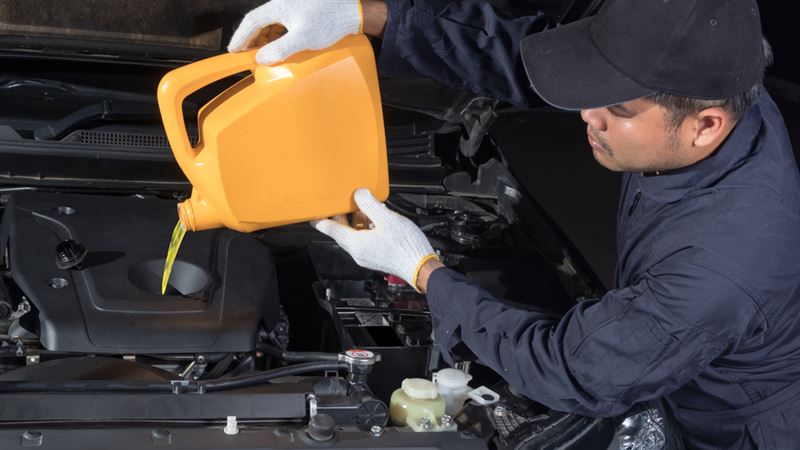
For vehicle longevity and optimal performance, regular engine oil changes are essential. Many drivers postpone this maintenance due to perceived costs, but with the availability of numerous discounts and coupons, maintaining your car's engine can be both affordable and straightforward. Don't let budget concerns delay your oil change; there are many ways to save money on automotive upkeep. This extensive guide will walk you through key tips and strategies to ensure your vehicle stays in top shape with periodic oil changes.
Where to Find Discounted Oil Change Coupons
Major automotive service centers and car maintenance workshops often offer promotional coupons for engine oil changes. These discounts can significantly reduce your vehicle maintenance expenses. Simply visit your preferred car service shop or dealership and ask about current offers or printable coupons. By scheduling your oil change with a coupon, you not only save money but also ensure your vehicle receives quality service from trained professionals. Many garages allow you to print coupons directly from their websites or redeem digital offers via mobile apps, making it super convenient to access discounts whenever needed.
Optimal Timing for Oil Changes
The debate over how frequently to change engine oil persists among car owners. While traditional advice suggests every 3,000 miles or three months, modern vehicles and engine technologies may extend that interval. The key is understanding your driving habits and your car's specific requirements to determine the best timing for oil maintenance.
Strategic Tips for Effective Oil Management
- Scheduling Regular Oil Changes
If your vehicle undergoes heavy use—frequent city driving, towing, or extensive commutes—consider changing the oil every 3,000 to 5,000 miles or every three to four months. Conversely, if your car is mainly used for short trips within city limits and remains parked for long durations, you might extend this interval slightly, perhaps to every six months. Regardless, doing a biannual oil change is a wise practice for most vehicles to ensure engine health and performance.
- Consistently Check Oil Levels
Regularly monitoring oil levels is fundamental to preventive maintenance. Use the dipstick to examine oil thickness, color, and consistency. Light, milky, or unusual smells indicate potential leaks or contamination, warranting immediate attention. If more than six months have elapsed since your last oil change, it's advisable to replace the engine oil promptly. Many auto shops offer coupons or discounts to make these regular checks and replacements more economical.
- Select the Appropriate Oil Type
Always consult your vehicle's owner manual to identify the recommended oil type. Modern vehicles often benefit from synthetic oils, especially in extreme climates or for engines with heavy workload. Synthetic oils provide superior lubrication, temperature stability, and engine protection, but come at a higher price. Fortunately, coupons and promotional offers from various suppliers can make premium synthetic oils more affordable, ensuring your engine receives the best care without breaking the bank.
- Recognize When Conventional Oil Suffices
For vehicles primarily driven in short trips or located in moderate climates, conventional engine oil may be sufficient. If your manual does not specify synthetic oil, sticking with regular oil is acceptable. Always choose high-quality oils with the appropriate viscosity rating, and consider using coupons when purchasing, to save costs on routine oil maintenance.
In conclusion, adopting a proactive approach to engine oil changes is crucial for vehicle longevity and performance. Leveraging discounts, coupons, and timely maintenance can significantly reduce costs while maintaining optimal engine health. Many service stations offer special deals—such as discounts on synthetic or conventional oils—which you can take advantage of by printing coupons or utilizing digital offers on your mobile device. Regular oil changes, aligned with your vehicle's needs and driving habits, will keep your car running smoothly and efficiently for years to come. Remember, a little investment in proper engine care today prevents expensive repairs tomorrow, making it a smart choice for every vehicle owner.