
Comprehensive Guide to Fuel Additives: Enhancing Engine Performance and Longevity
Discover how fuel additives improve engine performance, prevent deposits, and extend vehicle lifespan. Learn about top products, proper usage, and benefits of incorporating fuel treatments into your regular maintenance routine for cleaner and more efficient driving.
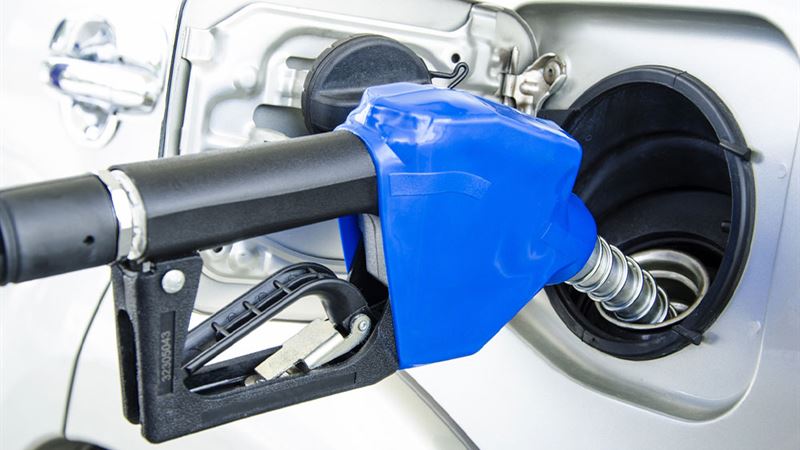
Fuel additives play a crucial role in maintaining your vehicle's engine health and optimizing performance. Designed to be mixed with fuel in small quantities, these products help prevent common engine issues, improve fuel efficiency, and prolong engine lifespan. By addressing problems like fuel system deposits, fuel flow restrictions, and injector fouling, fuel additives serve as essential tools in vehicle maintenance. Whether used proactively or to troubleshoot specific problems, understanding how these formulas work can save you money and extend the life of your engine. This comprehensive guide will explore the functioning of fuel additives, their types, and the top products available on the market today, to help you make informed choices for your vehicle's fuel management needs.
Fuel additives are specialized chemical compounds that enhance the quality and efficiency of fuel. Their primary purpose is to improve the combustion process, reduce engine deposits, and ensure cleaner, smoother engine operation. These products are especially important given the complexity of modern fuel systems, which can accumulate debris, sludge, and carbon deposits over time, impairing performance and increasing emissions. When used correctly, fuel additives can prevent costly repairs, increase fuel economy, and contribute to environmentally friendly vehicle operation. In the sections ahead, we'll delve into how these products work, their various types, and review some of the best options available for different vehicle needs.
### How Do Fuel Additives Work?
At their core, fuel additives function by modifying fuel properties or cleaning parts of the fuel system. They are typically added during refueling or directly into the fuel tank, in small, precisely formulated amounts. Their mechanisms of action include cleaning deposits from engine parts, lubricating fuel injectors and valves, neutralizing contaminants, and improving fuel atomization.
For example, some additives contain detergents that dissolve and remove built-up sludge in fuel injectors and combustion chambers, leading to better throttle response and smoother idling. Others include lubricants that help prevent wear and tear on fuel pumps and injectors, which is especially beneficial for older vehicles or engines operating on low-quality fuel.
Additionally, certain additives enhance the octane level of gasoline, thereby reducing knocking and increasing power output. In diesel engines, additives can increase cetane ratings, which lead to more efficient combustion, lower emissions, and improved cold-start performance.
It’s also worth noting that many additives contain anti-corrosion agents, stabilizers, and moisture inhibitors that protect fuel systems from rust, corrosion, and water contamination. The cumulative effect of these functions results in a more efficient engine, fewer mechanical issues, and better fuel economy.
### Types of Fuel Additives
Fuel additives are generally categorized based on their primary function and target issues. Understanding these categories can help consumers choose the right product for their specific needs.
1. **Fuel Injector Cleaners:** Designed to remove deposits from fuel injectors, valves, and combustion chambers. They help restore optimal spray patterns and improve fuel combustion efficiency.
2. **Fuel Stabilizers:** Used to preserve fuel quality during storage, especially important for seasonal vehicles or boats that are not used regularly.
3. **Octane Boosters:** Raise the octane rating of gasoline, preventing knocking and allowing for higher compression ratios for increased power.
4. **Cetane Improvers:** Specifically for diesel engines, these increase cetane ratings, resulting in smoother starts and more complete combustion.
5. **Deferment Agents:** Reduce engine knocking and pinging, often formulated for high-performance engines or to counteract low-octane fuel effects.
6. **Water Removers and Moisture Blockers:** Help eliminate water contamination in fuel, preventing rust and corrosion, which can significantly damage fuel systems.
7. **Emission Reducers:** Contain compounds that help lower emissions by enhancing combustion cleanliness, supporting environmental compliance.
### Top Fuel Additives to Consider
In the market, several products have established a solid reputation for quality and efficacy. Here are some of the top fuel additives, each with specific benefits tailored to different engine types and needs:
- Lucas Fuel Treatment: Versatile for both gasoline and diesel engines, this additive improves octane levels, cleans the fuel system, and lubricates engine parts to extend engine life and reduce emissions.
- Red Line Fuel System Cleaner: Popular among motorcycle enthusiasts, it effectively cleans deposits from injectors, valves, and combustion chambers, resulting in improved fuel economy and engine efficiency.
- Chevron Techron Concentrate Fuel System Cleaner: A trusted brand, this cleaner removes deposits across various engine parts, enhancing performance and fuel efficiency. A single bottle can treat fuel for up to 3,000 miles.
- Hot Shot’s Secret Diesel Extreme: Specifically formulated for diesel engines, this additive raises cetane levels by up to seven points, improves combustion, and removes water and contaminants from fuel.
- Power Service Diesel Kleen Plus Cetane Boost: Increases cetane, improves lubrication, and boosts acceleration and fuel economy, making it ideal for diesel-powered vehicles.
To maximize the benefits of fuel additives, it’s important to use them correctly. Here are some guidelines:
- Always read and follow the manufacturer's instructions regarding dosing and frequency of application.
- Generally, additives should be added before fueling up, ensuring even distribution throughout the fuel system.
- Reapplication may be necessary depending on driving habits and fuel quality; check the packaging for recommended intervals.
- Do not mix different types of additives unless specified otherwise, as reactions between chemicals may reduce effectiveness or damage engine components.
- Use fuel additives as part of your regular vehicle maintenance routine to prevent problems before they arise, rather than waiting until issues become severe.
### Final Thoughts
Fuel additives offer an affordable and effective way to enhance engine performance, reduce emissions, and extend the lifespan of your vehicle. Whether you're seeking to clean your fuel system, improve combustion, or ensure reliable starts in cold weather, there's a suitable product out there. Selecting the right additive depends on your vehicle's engine type, fuel quality, and specific requirements. Always choose reputable brands and follow usage instructions for optimal results. Regular use of appropriate fuel additives can help you save money on repairs, improve driving efficiency, and contribute to a cleaner environment. Investing in quality fuel treatments is a small step that yields significant long-term benefits for your vehicle and the planet.
### Industry Relevance
This article is relevant to the automotive and transportation industries, focusing on vehicle maintenance, engine performance optimization, and environmental sustainability through cleaner fuel practices.