
Comprehensive Dietary Strategies Using Fruits for Managing Diabetes Effectively
Discover effective strategies for incorporating fruits into a diabetic-friendly diet. Learn about low-GI fruits, portion control tips, and how to enjoy a balanced intake to help manage blood sugar levels, improve immunity, and reduce complication risks. This comprehensive guide provides practical advice on choosing fresh and frozen options, limiting processed foods, and distributing fruit intake throughout the day for optimal health benefits.
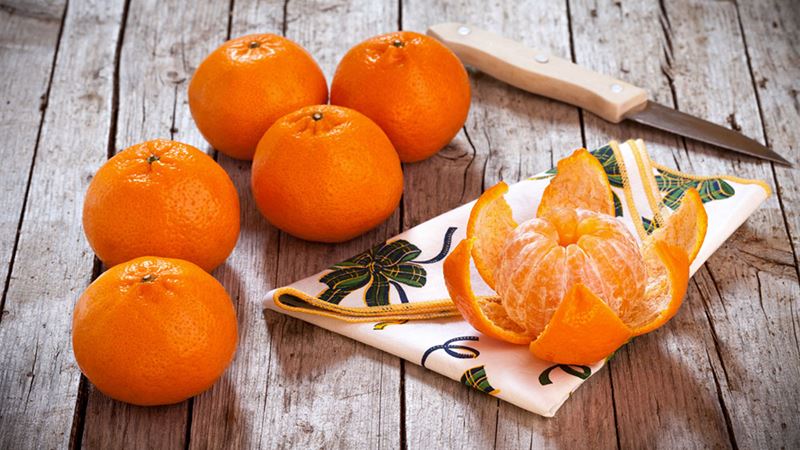
Understanding the Role of Fruits in Diabetes Management
Fruits contain natural sugars such as fructose, which, when consumed in moderation, can be safely incorporated into a diabetic diet. The key is selecting fruits that are low on the GI scale, meaning they impact blood sugar levels more gradually. High-GI fruits like pineapples and watermelons can cause quick spikes in blood glucose, so they should be consumed sparingly or avoided depending on individual tolerance. Additionally, fiber content in fruits slows down carbohydrate absorption, helping to stabilize blood sugar. A balanced approach includes choosing appropriate portion sizes, timing intake throughout the day, and combining fruits with other foods to maximize health benefits while minimizing risks.
Strategic Approaches to Including Fruits Daily
- Portion Control is Crucial To Avoid Blood Sugar Spikes: Each serving should contain no more than 15 grams of carbohydrates—equivalent to about one cup of fresh berries or a small apple—depending on the fruit type. Proper portioning helps manage calorie intake and maintains blood glucose within target ranges. Dried fruits are more concentrated in sugars; hence, their servings should be smaller.
- Choose Fresh or Frozen Over Processed: Fresh and frozen fruits retain most nutrients and fiber, facilitating slow sugar absorption. Processed, canned, or dried fruits often contain added sugars and preservatives, which can lead to unpredictable blood sugar responses. Opting for fresh or frozen options ensures healthier choices and better glycemic control.
- Limit Fruit Juices to Prevent Rapid Spikes: Fruit juices lack fiber and are high in concentrated sugars, causing immediate increases in blood glucose. If fruit juice is consumed, it should be in small quantities or diluted. Whole fruits are preferable for their fiber content, which mitigates rapid absorption.
- Distribute Fruit Intake Throughout the Day: Eating smaller quantities of fruit at different times avoids large carbohydrate loads that can overwhelm the body's capacity to manage blood sugar, promoting sustained energy and reducing cravings.
- Avoid High-GI Fruits: Fruits such as pineapple, watermelon, and ripe bananas tend to have higher GI values and should be eaten in moderation or combined with other foods to slow absorption.
Optimal Fruits and Suggested Portions for Diabetics
Choosing fruits that are low on the GI scale not only safeguards blood sugar levels but also provides essential nutrients that bolster immune health and overall well-being.
- Assorted Berries
Rich in vitamin C, antioxidants, and dietary fiber, berries are an excellent choice. You can enjoy a cup of raspberries or blackberries for about 15 grams of carbs, or three-fourths of a cup of blueberries, which deliver similar benefits. Strawberries in a quarter-cup portion also fit within the low-GI category. - Cantaloupe and Honeydew Melon
A cup of diced cantaloupe or honeydew yields the right amount of carbohydrates to satisfy sweet cravings without risking blood sugar spikes. Their high water content and fiber support hydration and digestion. - Kiwi and Apricots
Two to four small-sized kiwis or apricots serve as nutritious additions, offering vitamins A and C, fiber, and a moderate carbohydrate load suitable for daily inclusion. - Bananas and Mangoes
Half a small banana and a third of a ripe mango are appropriate portions. Those who include juice from these fruits should adjust the volume accordingly, mindful of their sugar concentrations. - Smaller Fruits: Apples, Oranges, Peaches, Pears, Plums, and Tangerines
These fruits are versatile, conveniently portable, and generally possess low to moderate GI values, making them suitable for frequent consumption in measured portions. - Grapes, Grapefruit, and Cherries
These fruits have relatively low GI scores and are rich in antioxidants, supporting immune health and reducing oxidative stress linked to diabetes.
When comparing fruit juices and fresh fruits, it is always better to choose fresh produce. Fresh fruits provide higher fiber content, which slows carbohydrate absorption and helps manage cholesterol and cardiovascular risks associated with diabetes. Incorporating these fruits into your diet can promote better blood sugar control, support immune health, and enhance overall quality of life for individuals managing diabetes.