
Ultimate Guide to Classic French Toast: The Perfect Breakfast Delight
Learn how to make perfect French toast with expert tips, creative variations, and cultural insights. This comprehensive guide covers everything from selecting the right bread to innovative flavor twists, ensuring your French toast is crispy, fluffy, and full of flavor. Elevate your breakfast game and impress family and friends with foolproof recipes and tips for all occasions.
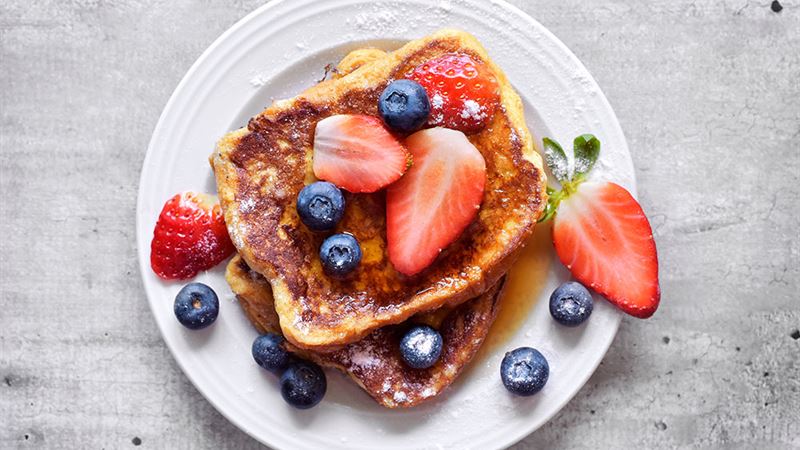
French toast is a timeless breakfast favorite enjoyed worldwide for its rich, comforting flavor and delightful texture. While it’s simple to make, perfecting French toast involves understanding key techniques and variations that elevate this dish from ordinary to extraordinary. This comprehensive guide explores the secrets to making the best French toast, creative twists to impress your guests, cultural history, and practical tips to ensure every bite is bursting with flavor.
Start by shaping your ideal French toast: begin with high-quality ingredients and proper preparation. The base involves bread soaked in a custard mixture, then cooked to golden perfection. But beyond the basics, there are countless ways to customize your French toast, from savory fillings to seasonal flavors. Whether you're preparing a quick weekday breakfast or an indulgent brunch spread, mastering French toast recipes will add a versatile dish to your culinary repertoire.
In this article, we delve into step-by-step instructions, expert tips, variations, and cultural insights into the origins and global love for French toast. We’ll also share advanced techniques that ensure a crispy exterior and soft, tender interior every time. Read on to discover how to create iconic French toast that will leave everyone asking for seconds. From classic recipes to inventive twists like cinnamon roll-inspired versions, Nutella-stuffed delights, or pumpkin spice variations, the possibilities are endless. These recipes can be adapted for any occasion, dietary preference, or flavor profile, making French toast a perfect fit for every palate.
Understanding the history and cultural significance of French toast enhances your appreciation for this dish. It originated as a practical meal to use stale bread, often called “lost bread” or “pain perdu,” which translates to “lost bread” in French. Over centuries, it evolved from humble beginnings into a beloved breakfast staple enjoyed in homes and eateries worldwide. Today, French toast is associated with comfort, family gatherings, and creative culinary expression. Its ability to be dressed up with toppings like fresh fruit, syrups, whipped cream, or caramel makes it an endlessly adaptable dish for both breakfast and dessert.
Let’s explore the step-by-step process for making classic French toast, followed by innovative variations and expert advice. You’ll learn how to choose the best bread, soak it optimally, cook it perfectly, and present it irresistibly. Additionally, we’ll cover common mistakes to avoid, such as over-saturating your bread or cooking at the wrong temperature, ensuring your French toast turns out flawless every time.
Whether you prefer fluffy, crispy, or decadent French toast, this guide provides all the necessary tips to master this breakfast favorite. Prepare to impress family and friends with your culinary skills and enjoy a delicious meal that’s both satisfying and versatile. Get ready to elevate your breakfast game with the Ultimate Guide to Classic French Toast — a must-know recipe that’s guaranteed to become a staple in your kitchen.
- Use stale bread for better absorption and texture
- Choose thick slices for thorough cooking and hearty bites
- Soak each slice for at least 30 seconds per side
- Avoid over-saturating to prevent sogginess
- Start with a hot, well-greased pan for perfect browning
- Cook until each side is golden and crisp
- Serve immediately with your favorite toppings
Beyond the traditional recipe, explore various creative variations to suit your taste:
- Cinnamon Roll French Toast
- Nutella and Banana Stuffed French Toast
- Apple Pie French Toast with Cinnamon Sugar
- Using Croissants for a Buttery Twist
- Seasonal Pumpkin Spice French Toast
- Monte Cristo Style with Ham, Turkey, and Cheese
- S’mores French Toast with Marshmallows and Graham Crackers
These variations showcase the flexibility of French toast, allowing you to craft dishes for breakfast, brunch, or even dessert occasions. Customize ingredients, flavors, and toppings to create your signature French toast recipe.
The cultural heritage of French toast is rich and diverse. Originally created as a clever way to use stale bread, the dish has transcended its humble beginnings and become a globally cherished breakfast item. Known by different names, such as “pain perdu” in France and “lost bread,” it is part of countless culinary traditions. Today, French toast is not only a breakfast staple but also a dessert favorite, often served with powdered sugar, syrups, fresh fruit, or even ice cream.
Many families pass down recipes through generations, while restaurants innovate with gourmet toppings and fillings. Its universal appeal lies in its simplicity, adaptability, and comforting qualities. Whether enjoyed with syrup, sprinkled with cinnamon, topped with whipped cream, or dressed up with exotic ingredients, French toast remains a versatile and beloved dish for all ages.
In conclusion, mastering the art of French toast involves understanding the core techniques, experimenting with flavor variations, and embracing its cultural significance. With the tips shared in this comprehensive guide, you can confidently prepare perfect French toast every time and impress your loved ones with your culinary prowess. So get your ingredients ready, ignite the stovetop, and prepare to indulge in one of the most delightful breakfast treats ever created.