
Ford Thunderbird: The Iconic Legacy of a Classic American Luxury Car
The Ford Thunderbird is a legendary American luxury car with a rich history spanning over five decades. From its debut as a personal luxury vehicle to its modern revival, each generation crafted unique styles and technological advances. Collectors highly value early models for their rarity and classic design. This comprehensive overview explores its evolution, features, and lasting legacy, revealing why the Thunderbird remains an iconic symbol of American automotive excellence and innovation. Whether vintage or modern, the Thunderbird’s timeless appeal continues to captivate car enthusiasts worldwide.
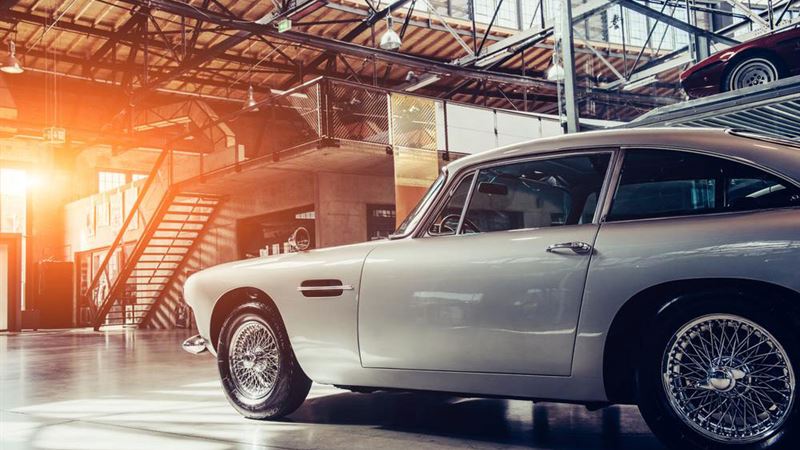
Throughout its history, Ford Motor Company produced eleven distinct generations of the Thunderbird from its debut in the mid-20th century until the early 2000s. This illustrious vehicle became a symbol of American automotive innovation, luxury, and style. Each generation brought its own unique design, technological advancements, and performance improvements, making the Thunderbird a highly celebrated model among car enthusiasts and collectors alike. In this comprehensive article, we delve into the fascinating evolution of the Ford Thunderbird, highlighting its key features, changes over the decades, and why it remains a passionate collector's treasure.
First Generation (1955–1957)
First Generation (1955–1957)
Introduced during the golden age of American car manufacturing, the first-generation Thunderbird was marketed as a personal luxury vehicle rather than a traditional sports car. The emphasis was on providing a high level of comfort, style, and convenience, appealing to buyers seeking a stylish yet practical estate. The 1955 model was equipped with a 292-cubic-inch V8 engine capable of reaching a top speed of approximately 100 miles per hour. Its sleek design featured distinctive tailfins, a rounded body shape, and a luxurious interior. The 1956 model received notable updates such as increased trunk space and enhanced interior features, along with a more powerful 5.1-liter Y-Block V8 producing 215 horsepower. By 1957, the Thunderbird showcased a larger grille, more prominent tail lights, and a restyled instrument panel. The engine output increased to 245 horsepower, cementing its position as a top-tier luxury coupe. Used models from this era can fetch prices ranging from $39,000 to $52,000, depending on condition and originality.
Second Generation (1958–1960)
Second Generation (1958–1960)
The second-generation Thunderbird marked a significant redesign, both in aesthetics and performance. Released in 1958, this model featured a sophisticated four-seat layout, elevating its status as an elegant grand tourer. Styling cues included a more streamlined body with curvier lines, a wider grille, and distinctive side trims. Under the hood, it employed the 5.8-liter FE V8 engine from the Ford lineup, which delivered 300 horsepower in 1958, and was further upgraded to 350 horsepower in 1959, thanks to improved carburetion and tuning. The 1960 model introduced a redesigned grille and the option of a manually operated sunroof for hardtop variants, enhancing the vehicle's appeal as a luxury cruising machine. The second-generation Thunderbird quickly became iconic for its sporty yet refined look. A well-maintained used car from this era can cost approximately $27,000, reflecting its collectible value.
Third Generation (1961–1963)
Third Generation (1961–1963)
In 1961, the Thunderbird underwent a sleeker transformation, adopting a more modern, aerodynamic design. The 1961 model was distinguished by its lower profile and elongated body, equipped with a 6.4-liter FE V8 engine producing 300 horsepower. The 1962 model saw further refinement with upgraded engine performance—its 6.4-liter M-Code V8 delivered 340 horsepower. The 1963 version introduced a new styling motif characterized by horizontal lines and a more aggressive front grille, with the engine now a 390-cubic-inch Y-Code V8. These models emphasized a blend of power and elegance, appealing to drivers seeking both style and substance. Used cars from this era typically range between $35,000 and $36,000, making them highly valued collectibles among enthusiasts.
Fourth Generation (1964–1966)
Fourth Generation (1964–1966)
The 1964 Thunderbird was radically restyled with a more squared, muscular appearance, reflecting the automotive trends of the era. Despite the external changes, it retained the same 6.4-liter V8 engine. In 1965, Ford added new features such as turn signals and disc brakes, improving safety and handling. The 1966 model featured a distinctive egg-crate grille adorned with a prominent Thunderbird emblem at the center. Some of these models were powered by a 7.0-liter V8, showcasing increased performance capabilities. The pricing for used models from this generation ranges from $17,000 to $26,000, offering affordability for collectors interested in a vintage American luxury car with a bold appearance.
Fifth to Tenth Generation (1967–1997)
Fifth to Tenth Generation (1967–1997)
Beyond the early 1960s, the Thunderbird's design shifted towards larger, more luxurious four-door models, especially between 1967 and 1971. This era emphasized reduced noise and vibration, with advanced soundproofing and suspension systems. During the 1970s, from 1972 to 1976 (sixth generation), the Thunderbird expanded in size, becoming the largest in the series, although performance and fuel efficiency suffered due to heavier builds and emission regulations. The seventh generation (1977–1979) attempted to mitigate these issues with lighter engines and smaller overall bodies, but performance remained a challenge. The 1980–1982 eighth generation presented sleeker, more aerodynamic designs, incorporating modern styling cues to appeal to contemporary buyers. The ninth generation (1983–1988) marked a return to classic aesthetics with a more refined look, along with technical advancements. Production of the Thunderbird was temporarily discontinued in 1997, marking the end of the tenth generation. Despite these shifts, the Thunderbird maintained a loyal following for its blend of luxury, style, and innovation.
Eleventh Generation (2002–2005)
Eleventh Generation (2002–2005)
After a brief hiatus, Ford revived the Thunderbird in 2002 with a modern, two-seat coupe designed to evoke its classic lineage. This iteration boasted a sleek, aerodynamic body with a 3.9-liter DOHC V8 (AJ-30) engine, providing a balance of performance and sophistication. The 2003 model upgraded to an AJ-35 engine, offering improved power and efficiency. The model highlighted advanced technological features, luxury amenities, and contemporary styling, making it a desirable collector's item. Production was discontinued in 2005, marking the end of the Thunderbirds' storied manufacturing history. Used models from this final run generally cost between $18,000 and $21,500, making them accessible for enthusiasts interested in a modern tribute to a legendary heritage.
In conclusion, the Ford Thunderbird is an enduring automotive icon that has left an indelible mark on American car history. Its various generations have captured the imagination of drivers and collectors worldwide, with earlier models being especially rare and highly prized. Whether as a vintage collector’s piece or a modern-day luxury cruiser, the Thunderbird continues to symbolize style, innovation, and American craftsmanship. Vintage models, especially from the first three generations, remain some of the most sought-after vehicles in classic car markets, embodying decades of automotive excellence and nostalgia.
In conclusion, the Ford Thunderbird is an enduring automotive icon that has left an indelible mark on American car history. Its various generations have captured the imagination of drivers and collectors worldwide, with earlier models being especially rare and highly prized. Whether as a vintage collector’s piece or a modern-day luxury cruiser, the Thunderbird continues to symbolize style, innovation, and American craftsmanship. Vintage models, especially from the first three generations, remain some of the most sought-after vehicles in classic car markets, embodying decades of automotive excellence and nostalgia.