
Comprehensive Dietary Strategies for Managing Herpes Outbreaks
This comprehensive guide explores effective dietary strategies for managing herpes outbreaks. Discover how nutrients like lysine, zinc, and vitamin C can strengthen your immune system. Learn which foods to include, such as fruits, vegetables, dairy, and lean meats, and which to avoid, including arginine-rich and processed foods. Implementing these nutritional tips can help reduce frequent herpes recurrences, promote faster healing, and support overall skin and immune health. Empower yourself with dietary knowledge to better control herpes and enhance your quality of life.
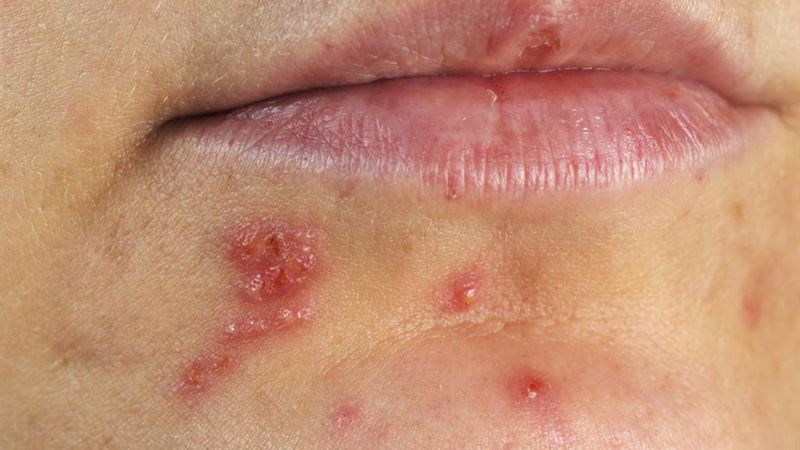
Role of Lysine in Herpes Management
Lysine, an essential amino acid, is widely recognized for its potential to suppress herpes simplex virus replication. Supplementing with lysine can be particularly effective when taken during active outbreaks or just before symptoms appear. However, individuals with compromised kidney function or pregnant and nursing women should seek medical advice before adding lysine supplements to their routine.
In addition to supplements, consuming foods naturally rich in lysine can support herpes management. These include a variety of fruits and vegetables such as beets, avocados, mangoes, tomatoes, apples, apricots, pears, figs, and papayas. Dairy products like milk, yogurt, and cheese are excellent sources as well. For those following vegetarian diets, sprouted grains and legumes are viable options to ensure adequate lysine intake. Additionally, lean meats such as chicken, fish like sardines and cod, along with beef and lamb, contain high lysine levels, supporting immune health and viral suppression.
Enhancing Skin Health to Prevent Herpes Outbreaks
Maintaining vibrant, healthy skin is a vital part of herpes management. Nutrients such as zinc, vitamin C, and bioflavonoids are integral to skin health, supporting tissue repair, immune function, and inflammation reduction. A diet abundant in these nutrients can fortify your immune defenses, making it less susceptible to herpes reactivation and aiding faster healing during outbreaks.
Avoiding Arginine-Rich Foods to Reduce Herpes Recurrences
Arginine, another amino acid, is known to potentially promote the replication phase of the herpes virus. Therefore, limiting foods high in arginine can be beneficial in controlling outbreaks. Such foods include refined grains like wheat-based products, chocolate, and nuts including peanuts, almonds, and nut butters. Additionally, certain protein powders, smoothies, oats, and multivitamins with added arginine may contribute to virus proliferation. Reducing intake of these items can help decrease outbreak frequency and severity.
Cutting Back on Unhealthy, Sugary Foods
Dietary choices also significantly impact herpes management. It's advisable to avoid processed foods rich in refined sugars, sugary beverages, and packaged snacks. Flavored yogurts, cereals, granola bars, and other high-sugar products can impair immune function and trigger outbreaks. Emphasizing whole, unprocessed foods ensures better immune resilience and overall health.
By being mindful of your diet—focusing on nutrient-dense foods and limiting those that may encourage viral activity—you can better manage herpes outbreaks and improve your overall well-being.