
Effective Dietary Strategies for Supporting Cervical Health and Reducing Cancer Risks
Discover comprehensive dietary strategies to support cervical health and lower the risk of cervical cancer. Learn about key nutrients, antioxidant-rich foods, and lifestyle tips that promote a healthy cervix. Incorporate fruits, vegetables, and healthy habits into your routine for optimal reproductive well-being and cancer prevention.
Adopting a nutritious and balanced diet plays a vital role in maintaining cervical health and lowering the risk of developing cervical cancer. While medical interventions like vaccination and screening tests are critical, dietary choices provide significant supportive benefits in managing symptoms and preventing the disease. Consuming a variety of fruits, vegetables, and nutrient-rich foods can bolster immune function, fight carcinogenic processes, and promote overall reproductive health. In this comprehensive guide, we will explore the key foods, nutrients, and lifestyle tips necessary for a proactive approach to cervical well-being.
Breakfast options include wholesome choices such as granola accompanied by probiotic yogurt, fresh cantaloupe slices, and a glass of rich orange juice packed with vitamin C. For lunch, consider preparing a delicious vegetable cheese toast sandwich with zucchini, mushrooms, carrots, and red peppers—vegetables known for their antioxidant properties. Dinner can feature a hearty tossed romaine salad with diced tomatoes, grilled chicken, black beans, fresh spinach, whole wheat pasta, and a side of grapefruit to boost vitamin intake.
Incorporating flavonoids into your diet is highly beneficial. These natural compounds, present abundantly in various fruits and vegetables, have been linked to protective effects against certain cancers. Rich sources of flavonoids include leafy greens, garlic, onions, soy products, lima beans, cranberries, cabbage, Brussels sprouts, broccoli, black beans, asparagus, and apples. Regular consumption of these foods can strengthen your body's defenses against cellular damage.
Folate, a water-soluble B vitamin, plays a crucial role in DNA synthesis and repair. Foods high in folate include strawberries, romaine lettuce, orange juice, lentils, whole grain cereals and breads, chickpeas, and avocados. Consuming these regularly supports cellular health and may contribute to reducing cancer risk.
Another important group of nutrients are carotenoids, which are precursors to vitamin A. They are found in brightly colored vegetables like winter squash, pumpkins, sweet potatoes, carrots, and certain beans. These compounds possess antioxidant properties that help neutralize free radicals and protect tissues, particularly in the cervix.
Maintaining a healthy lifestyle extends beyond diet. Vaccination against Human Papillomavirus (HPV), routine Pap smears for early detection, avoiding smoking, and practicing monogamy are crucial preventive measures. Combining these strategies with a diet rich in vegetables and fruits offers a comprehensive approach to reducing cervical cancer risk.
- Carrots: Carrots contain beta-carotene and other carotenoids that bolster immune defenses and combat carcinogens. They are versatile and can be enjoyed raw or cooked, providing essential vitamin A.
- Avocados: Nutritious and rich in healthy fats, avocados contribute folate and support cell health, making them a perfect addition to salads and smoothies.
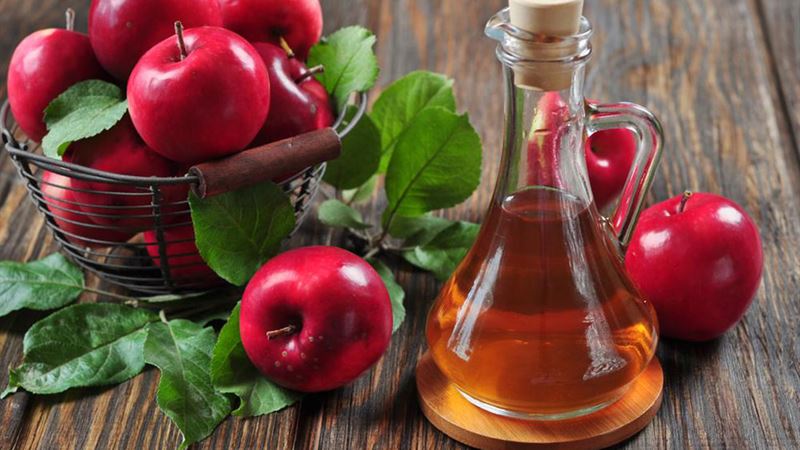
- Apples: Packed with flavonoids, apples have antioxidant properties that help protect cells from damage and reduce cancer risk.
- Pumpkin and Winter Squash: These vibrant vegetables contain high levels of carotenoids, making them excellent choices for cancer prevention. Incorporate them into soups, stews, or roasted dishes.
- Citrus Fruits: Oranges, lemons, and other citrus fruits enhance immune function and promote cervical health through their high vitamin C content.
- Cooked Tomato Products: Tomato paste, sauces, and purees are rich in lycopene, a powerful antioxidant that supports cervical tissue health. Fresh tomatoes are also beneficial due to vitamin C content.
- Leafy Greens: Dark greens like kale, spinach, and collard greens are abundant in folate and other vital nutrients that help maintain healthy cervical cells.
Developing an integrated approach that combines a nutrient-rich diet with healthy lifestyle practices is essential for effective cervical health management. Regular medical checkups, HPV vaccination, and lifestyle modifications go hand-in-hand with good nutrition to substantially reduce the risk of cervical cancer and support overall reproductive health.