
Comprehensive Guide to GPS Fleet Tracking Solutions for Modern Transportation
Discover how modern GPS fleet tracking systems revolutionize vehicle management by providing real-time location data, enhancing operational efficiency, ensuring compliance, and boosting customer satisfaction. Learn about key features, benefits, and the latest advancements shaping the future of fleet logistics.
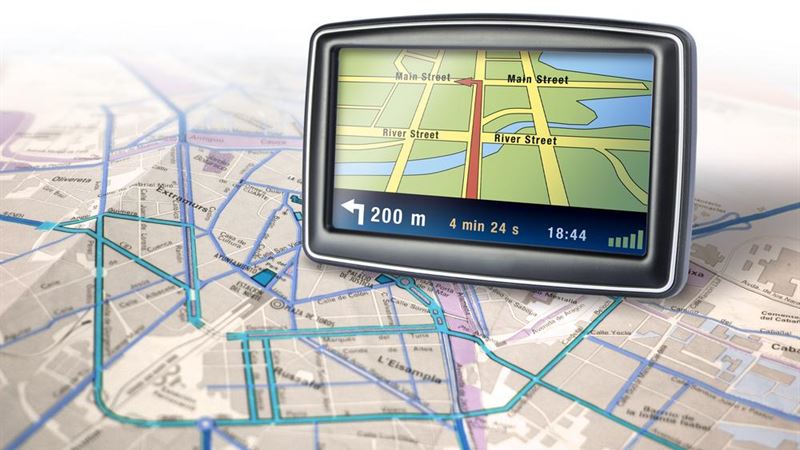
Choosing the right fleet tracking system involves evaluating various factors such as communication types, satellite coverage, cost, and specific operational needs. Companies can opt for one-way communication systems, which primarily send data from the vehicle to a central server, or two-way communication setups that facilitate real-time interaction between drivers and dispatchers. The communication can be established via GPS satellites or local networks like cellular or radio channels, depending on the required coverage and reliability. Cost considerations, coverage area, and the level of integration with existing systems play a significant role in these decisions.
Fundamentally, all GPS fleet tracking systems leverage the Global Positioning System operated by the United States government, renowned for its accuracy and stability. However, alternative satellite navigation systems are available globally, such as Russia’s GLONASS, Europe’s Galileo, and China’s BeiDou. Many operators prefer GPS and GLONASS combined, as increased satellite coverage significantly enhances location accuracy, which is critical for precise fleet management. Advanced systems tailored for transit and public transportation also incorporate features like real-time stop announcements, passenger information updates, and schedule adherence notifications to improve the passenger experience.
Furthermore, these systems enable detailed monitoring of driving behavior, such as speed patterns, braking habits, and adherence to designated routes, which helps ensure driver safety and compliance with federal transportation regulations. Preventing violations not only reduces legal liabilities but also minimizes penalties and fines. Many GPS systems come equipped with alerts for engine health, fuel consumption, and vehicle diagnostics, aiding maintenance planning and reducing downtime. The ability to track vehicles at all times also permits companies to utilize their fleet more efficiently, such as by incorporating unscheduled pickups or optimizing delivery sequences.
Operational advantages extend to driver training and fuel management. Analyzing driving data helps identify areas where drivers can improve efficiency, leading to significant savings on fuel costs. Regular maintenance scheduling based on system diagnostics prevents breakdowns and prolongs vehicle lifespan. Additionally, improved fleet availability and productivity mean fewer idle times and better resource utilization. These improvements collectively enhance a company's reputation, leading to increased customer loyalty and a healthier bottom line.
Ultimately, integrating GPS fleet management solutions supports a safer, more reliable, and cost-effective transportation operation, positioning companies ahead in a highly competitive market. As technology advances, these systems continue to evolve, incorporating features like AI-driven route optimization, predictive maintenance, and enhanced cybersecurity measures, ensuring fleet owners stay at the forefront of efficiency and safety in their industry.