
Comprehensive Guide to Store Mannequin Styles for Retail Displays
Discover the diverse world of retail mannequins in this comprehensive guide. Learn about abstract, headless, flexible, and specialized mannequins, their features, ideal uses, and how to choose the right display solutions to enhance your store’s visual appeal and boost sales. Stay ahead with the latest trends in mannequin design, making your visual merchandising stand out in a competitive market.
Understanding the Different Types of Mannequins
Mannequins are vital tools in retail displays, providing a tangible way to showcase clothing, accessories, and other merchandise. The choice of mannequin can significantly impact visual appeal, brand perception, and sales. Below, we explore the most common styles of mannequins, highlighting their distinctive features and best-fit environments.
1. Abstract Mannequins: Innovative and Versatile
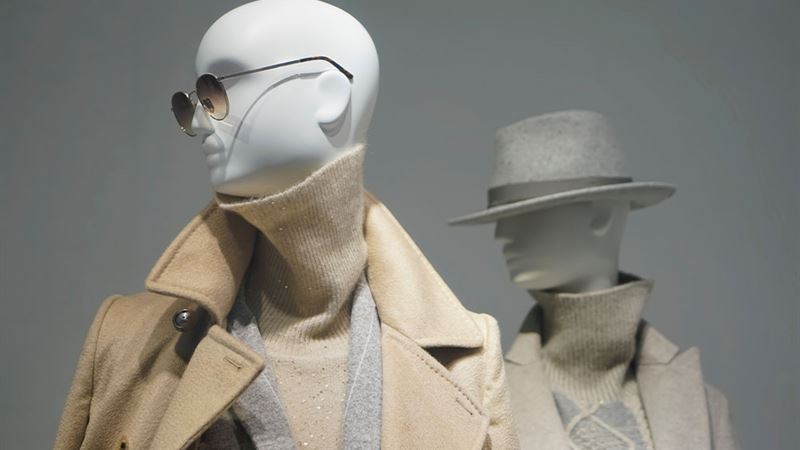
Abstract mannequins are characterized by their minimalist, artistic forms that prioritize shape and silhouette over realism. Unlike lifelike models, these designs are simplified and stylized, making them ideal for modern stores aiming for a chic, contemporary aesthetic.
- Affordable and easy to assemble, they offer flexibility in display arrangements.
- Adjustable arms and modular parts make it easy to set different poses.
- Suitable for fashion boutiques, department stores, and malls that want a trendy visual look without high costs.
2. Headless Mannequins: Focused on Clothing
Headless mannequins are a popular choice among sporting goods, casual wear, and accessories retailers. This style emphasizes the torso, limbs, and overall posture without a head, directing attention entirely to the apparel.
- They are highly customizable to depict various poses, from dynamic action stances to relaxed sitting positions.
- Ideal for displays focusing on body-fit items like dresses, pants, or accessories such as bags and shoes.
- They often come in neutral colors like black or white, providing contrast that highlights clothing and products effectively.
3. Flexible Flexible Mannequins: Realistic and Posing Capabilities
Flexible mannequins are designed for retailers seeking a more lifelike presentation. Made from silicone or other moldable plastics, these mannequins feature multiple joints and hinges, allowing them to adopt various natural postures.
- Often finished with a high-gloss surface to resemble human skin and texture.
- They enable retailers to stage mannequins in a variety of poses that enhance the visual narrative of the product.
- Due to their complexity and quality, flexible mannequins are among the most expensive types, but they offer unmatched realism and customization.
4. Plus-Size and Pregnant Mannequins: Targeted Display Options
These mannequins cater to specific demographic groups, providing accurate representations for plus-sized and maternity apparel sectors.
- Plus-size mannequins are designed with realistic body proportions for showcasing larger sizes, such as 4XL or 5XL clothing.
- Pregnant mannequins feature a realistic baby bump, ideal for displaying maternity wear, stretchable fabrics, and accessories.
- They enhance the effectiveness of marketing efforts within niche markets by providing authentic visual cues.
Key Factors to Consider When Choosing a Mannequin
Selecting the appropriate mannequin involves weighing factors like budget, display purpose, store aesthetic, and target demographic. Here are some strategic considerations:
- Purpose: Determine whether the display requires realism, flexibility in pose, or affordability.
- Material: Plastic, silicone, or fiberglass options influence durability and appearance.
- Cost: Realistic, flexible mannequins tend to be costlier but may deliver better impact.
- Size and Proportions: Ensure the mannequin's proportions match your target audience.
- Style and Design: Match the mannequin style with your brand image and store theme for consistency.
Innovations and Trends in Mannequin Design
The mannequin industry continues to evolve, integrating new materials and technologies to capture customer attention more effectively. Future trends include:
- Eco-friendly mannequins made from sustainable materials.
- Interactive displays with digital features for enhanced engagement.
- Customizable mannequins that allow retailers to change poses or add accessories easily.
- Artistic and avant-garde designs that serve as focal points within a store environment.
Conclusion
The right mannequin can dramatically elevate retail displays, influencing customer perception and increasing sales. Understanding the variety—from abstract to highly realistic forms—empowers retailers to select the best option according to their unique needs and branding strategy. With ongoing innovations, mannequins continue to serve as vital tools in creating captivating visual merchandising that draws customers and encourages purchases.