
Understanding the Serious Risks of Smoking During Pregnancy and How to Protect Your Baby
Smoking during pregnancy poses serious risks including miscarriage, preterm birth, birth defects, and placental problems. This detailed guide highlights the dangers of smoking for both mother and baby and offers practical advice on quitting. Protect your child’s health by understanding these risks and seeking support to stop smoking during pregnancy for a healthier future.
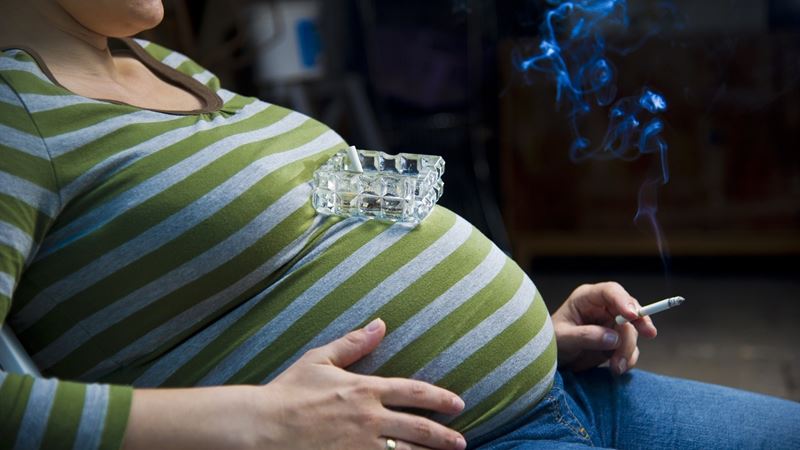
Smoking during pregnancy affects the developing baby at every stage, starting from conception. Even in the earliest weeks, the toxins present in cigarettes can interfere with placental formation and fetal development. Both active smokers and those exposed to secondhand smoke face heightened risks of adverse outcomes. Understanding these risks can empower expectant mothers to make informed decisions and seek the necessary support to quit smoking. The following sections detail the most common and serious complications associated with smoking during pregnancy, as well as tips for cessation.
- Elevated Risk of Miscarriage and Stillbirth: Unfortunately, smoking significantly increases the chance of losing a pregnancy at any point. Most miscarriages occur within the first trimester, typically before the twelfth week, but some can happen later, even after twenty weeks, resulting in a stillbirth. Numerous chemicals found in cigarettes, such as tar, nicotine, and carbon monoxide, impair placental function and fetal growth, raising the risk of spontaneous pregnancy loss. These substances can cause placental problems, reduce oxygen supply to the fetus, and interfere with nutrient transfer, all contributing to pregnancy loss.
- Placental Abruption: The placenta, a vital organ that connects mother and fetus, supplies oxygen and nutrients necessary for fetal development. Smoking increases the likelihood of placental abruption, a severe condition where the placenta begins to detach from the uterine wall prematurely. This can cause life-threatening bleeding for both mother and baby. When placental abruption occurs, immediate medical intervention is required, often necessitating early delivery. Unfortunately, once the placenta separates, it cannot be reattached, making prevention vital. Pregnant women are advised to seek urgent medical care if symptoms like vaginal bleeding or abdominal pain arise.
- Preterm Birth: One major danger of smoking during pregnancy is the increased risk of delivering an infant prematurely. Preterm birth, defined as birth before 37 completed weeks of gestation, is associated with numerous health challenges for the newborn, including respiratory issues, gastrointestinal problems, and long-term developmental delays. Preterm babies are more susceptible to infections, have lower birth weights, and may require intensive neonatal care. Smoking-induced toxins can interfere with the growth and development of the fetus, triggering early labor. Quitting smoking can significantly reduce the likelihood of preterm delivery and improve health outcomes.
- Ectopic Pregnancy: Nicotine and other chemicals in cigarettes can disrupt normal fallopian tube function, leading to contractions that hinder the passage of the fertilized egg. This can cause the embryo to implant outside the uterus, typically in the fallopian tube—a condition known as ectopic pregnancy. Ectopic pregnancies pose serious health risks and often require surgical removal to prevent life-threatening complications. Women planning pregnancy should be aware of these risks and consult healthcare providers for guidance on smoking cessation before conception.
- Birth Defects and Congenital Anomalies: Smoking during pregnancy increases the probability of congenital abnormalities, especially affecting the heart and facial structures. Common issues include congenital heart defects, cleft lip, and cleft palate. The toxic chemicals in cigarettes can interfere with the proper development of fetal tissues and organs, leading to structural malformations. Evidence suggests that women who smoke are more likely to give birth to babies with these conditions, which often require surgical correction or long-term medical management. Awareness and cessation efforts are critical to lowering these risks.
Despite knowing the dangers, many women find it difficult to quit smoking during pregnancy due to nicotine addiction, stress, or lack of support. Breaking the cigarette habit requires a comprehensive approach, including counseling, support groups, and possibly medical aids prescribed by healthcare providers. Quitting smoking is the single most effective way to enhance fetal health, reduce pregnancy complications, and give your child the best start in life. Seek help early and stay committed to protecting both your health and that of your unborn baby. Remember, every cigarette avoided is a step toward a healthier future.