
Comprehensive Guide to the Health Advantages of Consuming Fruits and Vegetables
This comprehensive article explores the diverse types of fruits and vegetables, their unique health benefits, and practical ways to integrate them into daily diets. Emphasizing the importance of variety, it highlights how these nutrient-rich foods support immunity, heart health, and disease prevention. The guide also addresses potential risks of overconsumption and offers insights based on scientific research to promote better dietary choices for longevity and wellness. Perfect for health-conscious individuals seeking to optimize their nutrition through natural, versatile produce.
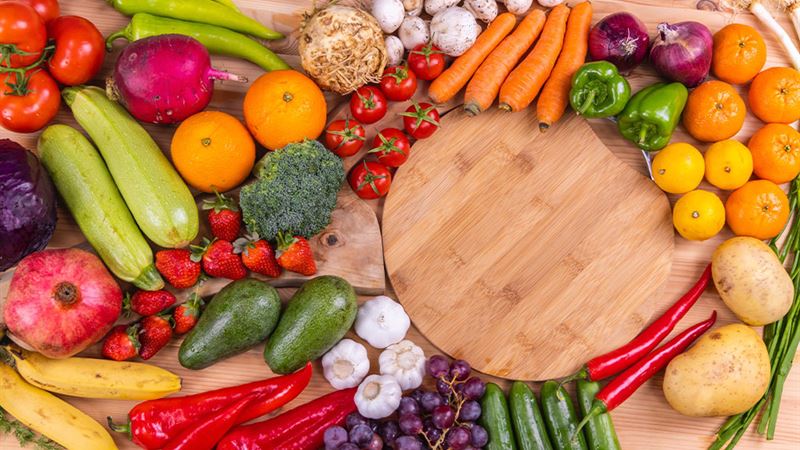
Incorporating a diverse variety of fruits and vegetables into your daily diet is one of the most effective strategies to enhance overall health and well-being. These nutrient-dense foods are packed with essential vitamins, minerals, and phytochemicals that support vital bodily functions. Understanding the different types of fruits and vegetables, their unique health benefits, and the best ways to incorporate them into your meals can significantly improve your quality of life. This expansive guide aims to shed light on the importance of diverse produce and how they contribute to a balanced, healthy diet.
Classification of Fruits by Type
Fruits are naturally sweet and are an excellent source of essential nutrients. They are broadly classified into various categories based on their characteristic features, growth habits, and botanical classifications.
- Stone Fruits (Drupes): These fruits are distinguished by a hard pit or stone in the center, surrounded by fleshy edible parts. They are juicy and flavorful, making them popular choices for snacks, desserts, and beverages. Examples include apricots, peaches, nectarines, plums, cherries, and lychees. Stone fruits are rich in vitamins A and C, fiber, and antioxidants, which help boost immunity, improve skin health, and promote digestion.
- Citrus Fruits: Known for their tangy flavor and high vitamin C content, citrus fruits display a segmented inner pulp and a thick outer rind. Common examples are oranges, lemons, grapefruits, pomelos, tangerines, and kumquats. These fruits are superb for immune support, skin health, and combating oxidative stress. Citrus fruits also contain flavonoids, which have anti-inflammatory and cardiovascular benefits.
- Tropical Fruits: This category includes fruits grown predominantly in warm climates south of the Tropic of Cancer. Their distinct flavors and textures add diversity to your diet. Notable tropical fruits include bananas, mangoes, pineapples, papayas, coconuts, and passion fruit. They are rich in vitamins, fiber, and natural sugars that provide quick energy, support digestion, and promote mental alertness.
- Berries: Small, colorful, juicy fruits with a high concentration of antioxidants, berries like strawberries, blueberries, raspberries, blackberries, and cranberries are renowned for their health benefits. They help reduce inflammation, enhance memory, and support heart health owing to their anthocyanin content.
- Melons: Characterized by a thick rind and sweet, watery flesh, melons include watermelon, honeydew, and muskmelon. They are hydrating, low in calories, and packed with vitamins A and C. Melons promote hydration, skin health, and help flush out toxins from the body.
- Pome Fruits: These fruits feature a sturdy core containing seeds, covered by a fleshy edible layer. Apples, pears, and quinces exemplify this category. Pome fruits are loaded with dietary fiber, antioxidants, and phytochemicals, which aid in weight management, improve heart health, and lower the risk of chronic diseases.
Classification of Vegetables Based on Edible Parts
Vegetables are vital dietary components, rich in fiber, vitamins, minerals, and phytochemicals. They are classified depending on the part of the plant that is consumed.
- Leafy Greens: The edible parts are the leaves, which are nutrient-dense and low in calories. Examples include spinach, kale, lettuce, Swiss chard, and collard greens. They provide vitamin K, A, C, calcium, and folate, supporting blood health, bone strength, and immune function.
- Root Vegetables: Comprising edible roots, these vegetables are often high in starch and energy. Carrots, beets, radishes, turnips, and parsnips fall into this category. They are excellent sources of beta-carotene, fiber, and antioxidants, promoting eye health, digestion, and reducing oxidative stress.
- Tubers: These are underground stems with high carbohydrate content. Potatoes, sweet potatoes, yams, and taro are common examples. They provide complex carbs, vitamin C, and potassium, supporting energy levels and muscle function.
- Cruciferous Vegetables: Recognized for their flowers and heads, such as cabbage, broccoli, cauliflower, Brussels sprouts, and kale. They are rich in sulforaphane and other phytochemicals, which help detoxify the body and have anti-cancer properties.
- Stem Vegetables: These plants are consumed for their edible stems or stalks. Asparagus, fennel, celery, bamboo shoots, and kohlrabi are notable members. They are known for their diuretic properties, fiber, and vitamins.
- Fruit Vegetables: Botanically fruits but culinarily used as vegetables, these include tomatoes, cucumbers, eggplants, zucchinis, and squash. They are rich in vitamins A, C, and antioxidants, and contribute to hydration and skin health.
- Bulb Vegetables: These vegetables grow underground as bulbs composed of layers. Garlic, onions, shallots, fennel bulbs, and leeks are common. They are renowned for their antimicrobial, anti-inflammatory properties, and rich sulfur compounds.
Cooking methods vary widely with vegetables and fruits, allowing for diverse culinary creations—raw salads, roasted dishes, steamed sides, stir-fries, and more. Their versatility makes them suitable for any culinary preference.
Key Benefits of Eating Fruits and Vegetables
Consuming a variety of fruits and vegetables provides numerous health benefits, primarily due to their high content of fiber, antioxidants, phytochemicals, and essential nutrients. They contribute to maintaining healthy weight, improving digestion, boosting immunity, and reducing the risk of chronic diseases such as heart disease, diabetes, and certain cancers. Vitamins A, C, E, magnesium, folic acid, zinc, and phosphorus found in these foods play critical roles in body functions, skin health, mental health, and cellular repair. Eating a balanced intake helps lower cholesterol and blood pressure levels, promoting cardiovascular health.
Potential Drawbacks of Overconsumption
While increasing fruit and vegetable intake is generally beneficial, excessive consumption can cause issues. For instance, due to their high fiber content, overindulgence may lead to gastrointestinal discomfort, including cramps, bloating, and gas. Cooking cruciferous vegetables can mitigate some digestive issues associated with raw consumption. Likewise, excessive intake of fruits high in natural sugars and fructose may elevate blood sugar levels, potentially aggravating or contributing to type 2 diabetes and dental problems such as cavities. Nevertheless, typical diets often fall short of recommended servings. According to health authorities, only about 10% of adults reach the advised daily intake of 1.5-2 cups of fruit and 2-3 cups of vegetables. Multiple studies, including one published in The American Journal of Clinical Nutrition, demonstrate that those consuming five or more servings of fruits and vegetables daily have significantly lower mortality rates and tend to live longer, healthier lives. Prioritizing a balanced, varied intake remains essential for optimal health.