
Ultimate Guide to Maintaining and Protecting Leather Car Seats for a Pristine Look
Discover expert tips on maintaining and protecting your leather car seats. From cleaning techniques to preventative measures, learn how to keep your seats looking new, maintain their elasticity, and prevent damage caused by sunlight, dirt, and everyday wear. This comprehensive guide offers detailed advice on choosing the right products, repairing scratches, and preserving the luxurious feel of your leather interior for years of enjoyment.
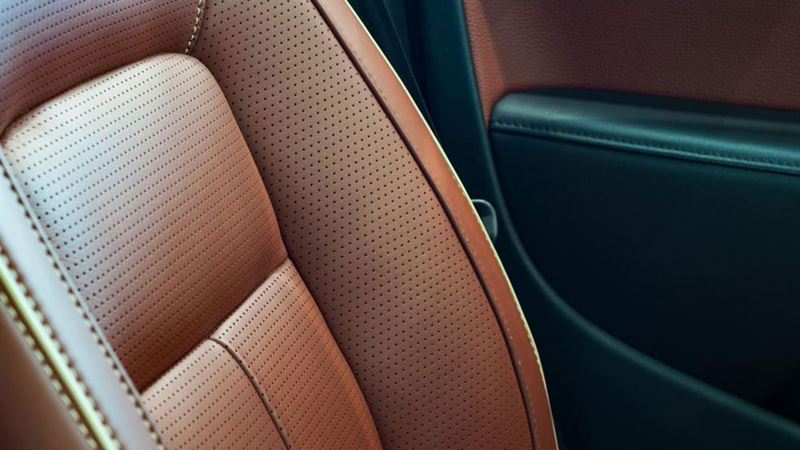
For vehicle owners who cherish their car's interior, especially those with luxurious leather seats, maintaining their condition is crucial for aesthetics and longevity. Proper care not only keeps your seats looking new but also adds to the overall value of your vehicle. Whether you regularly drive or use your car infrequently, understanding the best methods to protect and clean leather seats is essential. In this comprehensive guide, we'll delve into detailed techniques, expert tips, and best practices to help you preserve your leather seats in pristine condition for years to come.
- Protection from Sun Damage: Preventing Fading and Cracking
- Regular Cleaning Techniques for Leather Surfaces
- Choosing the Right Cleaning and Conditioning Products
- Preventative Measures to Avoid Damage
- Addressing Common Issues: Scratches, Cracks, and Clogs
Maintaining leather car seats requires a combination of proper protection, routine cleaning, and timely repairs. Excessive exposure to sunlight can cause leather to dry out and fade over time. To combat this, always park your vehicle in shaded areas or inside garages whenever possible. Using high-quality sunshields or window tints can significantly reduce UV rays reaching the seats, preventing premature aging and cracking. Additionally, minimizing direct sun exposure helps in maintaining the color richness and elasticity of the leather, ensuring it remains supple and comfortable.
When it comes to cleaning, gentle and frequent maintenance is key. Dust and dirt can settle into the smallest crevices of your seats, leading to abrasion if not properly removed. Employ a soft microfiber cloth or a gentle brush to eliminate loose dirt from porous areas. For more stubborn grime, a leather-specific cleaner should be used, avoiding harsh chemicals that can strip essential oils from the leather. Always test cleaning products on a small, inconspicuous section before applying broadly, to prevent unwanted discoloration or damage.
Choosing the proper leather treatment products is crucial. Opt for water-based, pH-balanced leather cleaners and conditioners designed specifically for automotive interiors. These formulations gently clean while replenishing lost moisture, keeping the leather from becoming brittle or cracked. Applying a conditioner with lanolin oil or other nourishing agents helps maintain the leather’s natural elasticity and suppleness. It also provides a protective barrier against future stains and wear.
To achieve optimal results, use soft applicators such as microfiber cloths or foam applicators to distribute conditioner evenly. After allowing the conditioner to penetrate for the recommended time, buff the seats with a clean microfiber cloth to remove excess product and restore a subtle sheen. Regular cleaning—at least once every three to six months—prevents dirt accumulation and prolongs the lifespan of your leather seats.
In addition to cleaning and conditioning, preventative measures can significantly extend the life of your leather. Avoid placing sharp or heavy objects on the seats, as these can cause tears or punctures. Be cautious with liquids—particularly water and other beverages—especially around perforated seats, which can trap moisture inside and lead to clogging or mold growth. If your vehicle has perforated leather, consider using protective covers or specialized treatments that repel water and prevent clogging of tiny holes.
Addressing small issues early prevents larger problems later. Small scratches or cracks can be repaired with leather repair kits available in automotive stores. Make sure to match the color and texture of the repair compounds to your seats for seamless results. For cracks and larger damage, it may be necessary to seek professional restoration services to restore the leather to its original state.
Additional maintenance tips include avoiding petroleum jelly or silicone-based products—these tend to leave greasy residues and can cause premature deterioration. Instead, choose water-based, non-greasy conditioners formulated for leather. Proper storage and parking conditions also matter; keeping your vehicle indoors or under shade helps prevent the leather from drying out or becoming discolored due to excessive sun exposure. Regularly wiping down the seats with a dry or lightly damp microfiber cloth ensures debris do not accumulate, which could lead to surface wear over time.
For those who wish to enhance their leather seats’ appearance and longevity further, investing in specialized leather moisturizers containing lanolin oil can rejuvenate the material, keeping it soft and flexible. Such products also help resist cracking and fading. Remember, consistent care is vital—neglecting your leather seats can result in irreversible damage, necessitating costly repairs or replacement down the line.
In conclusion, maintaining the pristine appearance of leather car seats involves a combination of protection, cleaning, conditioning, and timely repairs. By taking proactive measures—such as shielding your car from sunlight, using the right products, and addressing issues early—you can preserve the luxurious look and feel of your leather seats for many years. Consistency and careful attention to detail are the keys to ensuring your vehicle’s interior remains an impressive and comfortable space, adding both aesthetic value and resale worth over time.