
The Ultimate Guide to Hardwood Flooring: Advantages, Maintenance Strategies, and Cost Analysis
Discover the comprehensive benefits of hardwood flooring, expert maintenance tips, and detailed cost analysis. Learn how hardwood enhances home value, improves air quality, and offers long-term savings. Find out best practices for upkeep and when to refinish, ensuring your floors stay stunning for decades. This guide helps homeowners make informed decisions for durable, stylish, and healthy living spaces with hardwood floors.
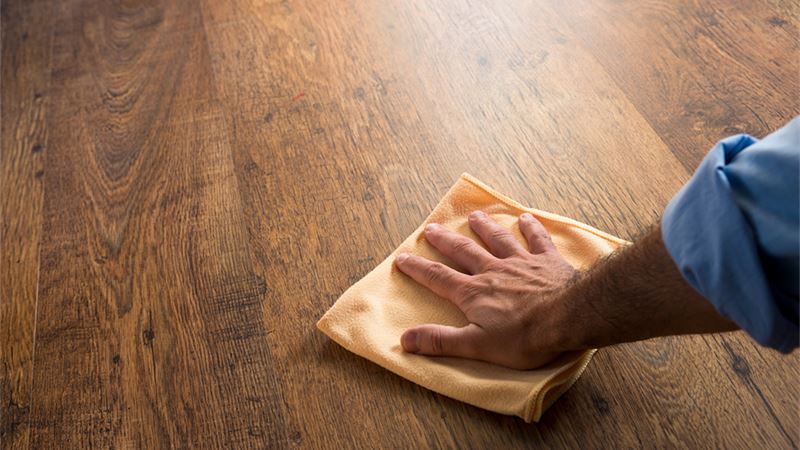
One of the key reasons homeowners prefer hardwood flooring is its ease of cleaning. Unlike carpets, which trap dust and allergens, hardwood floors allow for simple sweeping and vacuuming, maintaining a healthier indoor environment. Additionally, the cleanable surface is ideal for allergic individuals and households with pets, as it reduces dust accumulation and minimizes allergens.
Major Advantages of Hardwood Flooring
1. Boosts Home Resale Value
Homes adorned with hardwood flooring tend to attract more buyers. Real estate market trends favor properties with stylish, high-quality wooden floors, especially when compared to homes with old, worn carpets. The presence of hardwood floors can significantly increase the perceived value of your home, making it more competitive in the market. Buyers often see hardwood as a sign of quality and low maintenance, which can translate into faster sales and better offers. Moreover, since carpets tend to trap allergens and require frequent replacement, hardwood flooring presents a healthier and more durable alternative.
2. Improves Indoor Air Quality
Unlike carpets and certain tile or laminate flooring with grout lines, hardwood floors don’t harbor dust, pollen, pet dander, or other allergens. This characteristic makes them an excellent choice for allergy sufferers or households aiming for cleaner indoor air. Choosing hardwood flooring over carpets minimizes the accumulation of airborne allergens and contributes to a healthier living environment. Regular cleaning, combined with the naturally dust-resistant surface of hardwood, ensures your home remains fresh and allergen-free.
Aesthetic and Design Flexibility
Hardwood flooring offers unparalleled versatility in interior decorating. From traditional to modern styles, hardwood complements a wide range of decor themes without requiring modifications. Its neutral yet warm appearance allows homeowners to switch up furniture, paint colors, or accessories without worrying about clashing with the flooring. This adaptability makes hardwood an ideal long-term investment, protecting your aesthetic choices against changing tastes and styles.
Cost-Effectiveness and Longevity
Although initial costs for hardwood flooring can be higher than some alternatives, its durability and low maintenance requirements make it a cost-effective option over time. Properly installed wooden floors can last for decades with minimal repairs. In many cases, they can be refinished multiple times, which extends their lifespan and saves money on replacement costs. The ability to restore their appearance by sanding and refinishing ensures that hardwood floors remain attractive and functional for many years.
Refinishing Hardwood Floors: An Investment in Longevity
One of the most significant advantages of hardwood flooring is that it can be restored to its original beauty through refinishing. Unlike tiles or carpets, which require full replacement once damaged or outdated, wood floors can be sanded and refinished multiple times. This process involves smoothing out scratches, removing stains, and applying new finishes, effectively making old floors look new again. Reputable hardwood refinishing companies can be found via directories such as Angie’s List, where reviews and service ratings help homeowners select trusted professionals.
Essential Maintenance Practices for Hardwood Floors
1. Maintain Correct Indoor Climate
To preserve hardwood floors, it’s essential to control the indoor environment. The ideal temperature range is typically between 60 to 80 degrees Fahrenheit, with relative humidity maintained between 35% and 55%. Fluctuations outside this range can cause the wood to expand or contract, leading to cracks or warping. Employing humidifiers or dehumidifiers as needed, along with consistent temperature regulation, will help maintain the structural integrity of your flooring.
2. Use Gentle Cleaning Products
Harsh chemicals, such as ammonia-based cleaners, can damage the finish of hardwood floors. Instead, opt for mild cleaning solutions like a vinegar and water mixture or a gentle, plant-based hardwood floor cleaner. Avoid abrasive scrubbers that can scratch and dull the surface. Regularly cleaning with soft mops or microfiber cloths keeps the surface free of debris without harming the finish.
3. Protect Your Floors from Furniture Damage
Moving furniture can cause unwanted scratches or dents. Use soft padding or furniture glides on chair legs, tables, and other movable fixtures. This simple step prevents scuff marks and keeps your floors looking pristine for longer. Periodically check these pads to ensure they remain in good condition and replace them as necessary.
4. Shield Floors from Sunlight
Prolonged exposure to direct sunlight can fade or discolor wooden floors over time. To prevent this, utilize curtains, blinds, or UV-protective window films. Rearranging furniture and planting shades in sun-exposed windows can also help preserve the natural color and appearance of your hardwood surface.
5. Avoid Using Waxes, Oils, and Sprays
Many at-home treatments like waxes, oils, or furniture sprays contain ingredients that can build up or alter the surface finish. It’s best to refrain from applying these products directly on hardwood floors unless recommended by manufacturers or flooring professionals. Instead, stick to products specifically formulated for hardwood maintenance.
6. Address Spills Promptly
Accidental spills of liquids or food should be wiped immediately to mitigate staining and damage. Using a soft cloth or mop and gentle cleaning solutions prevents liquid seepage into the wood, which could cause warping or permanent stains. Prompt cleaning preserves the beauty and durability of your floors.
7. Regular Vacuuming and Dusting
Daily or weekly vacuuming effectively removes surface dust, pet hair, and debris. This routine minimizes scratches caused by grit underfoot. In addition, damp mopping with a damp (not wet) mop using a hardwood floor cleaner once a month helps maintain shine and cleanliness.
8. Schedule Re refinishing Every Few Years
Depending on foot traffic and wear, hardwood floors typically need refinishing every three to five years. This process restores their original luster by removing surface scratches and applying new coats of finish. Regular refinishing can keep your floors looking new and extend their lifespan significantly.
9. Daily Sweeping and Dusting
In addition to weekly vacuuming, daily sweeping helps prevent dirt buildup. Using a soft, dry microfiber cloth on a daily basis removes loose debris and keeps your floors shining. Using quality, gentle cleaning products periodically further enhances their appearance and longevity.
Understanding the Cost of Installing Hardwood Floors
The price of hardwood flooring varies based on the type of wood chosen and the complexity of installation. On average, the cost ranges from $4 to $6 per square foot. For instance, installing engineered hardwood flooring over a 2,000-square-foot area might cost between $8,000 and $12,000, excluding professional labor and additional materials. Custom finishes, intricate patterns, or high-end wood species can increase costs further.
When selecting a professional contractor, it’s vital to compare quotes, services, and warranty options. Reputable companies like AMP have extensive experience with hardwood and other flooring types—including laminate and luxury vinyl plank (LVP). Checking online review platforms such as Angie’s List provides insights into local providers, their service quality, and customer satisfaction ratings.
Investing in high-quality installation and maintenance ensures your hardwood floors remain beautiful and functional for years. Proper care, timely refinishing, and choosing experienced professionals will maximize your investment, ultimately providing a timeless asset to your home.