
Unraveling the Mystery: An In-Depth Exploration of Gone Girl
This comprehensive analysis explores Gillian Flynn’s masterpiece "Gone Girl," detailing its plot, themes, and cultural impact. Learn about Flynn’s background, the novel's complex characters, and the shocking twists that have captivated readers worldwide. Discover why "Gone Girl" continues to influence the domestic thriller genre and remains a compelling exploration of deception and human nature. Ideal for fans of psychological thrillers, the article delves deep into the story’s enduring popularity, its cinematic adaptation, and its place in modern literature, offering readers a thorough understanding of this modern classic.
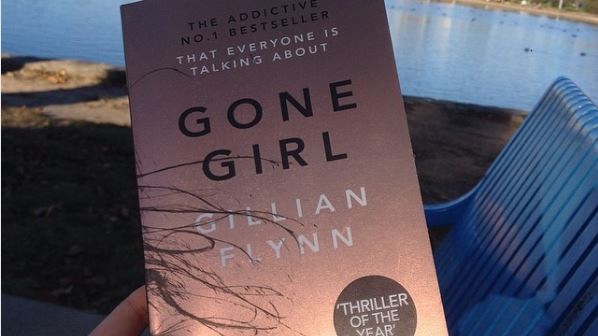
Delving into the world of gripping psychological thrillers, "Gone Girl" stands out as a compelling narrative that challenges perceptions of trust, identity, and deception. Before we analyze the story and its impact, let's take a closer look at the creative mind behind this captivating novel...
Gillian Flynn was born on February 24, 1971, in Kansas City, Missouri, to academic parents. Growing up, Flynn was a reserved child, deeply immersed in books and writing from an early age. Her passion for storytelling led her to study English and journalism at the University of Kansas, where she earned her undergraduate degree. She continued her education by obtaining a Master’s in Journalism from Northwestern University, further honing her craft. Flynn's first novel, Sharp Objects, was published in 2006 while she was still working as a journalist for Entertainment Weekly, marking her entry into the literary world.
Her early success garnered critical acclaim and awards that motivated her to write her subsequent novels. In 2009, she published Dark Places, a gripping tale exploring themes of violence and trauma. However, it was her third novel, Gone Girl, published in June 2012, that catapulted her into international fame. The book's success spurred a blockbuster film adaptation starring Ben Affleck and Rosamund Pike, further cementing its place in popular culture. "Gone Girl" is credited with popularizing the genre of suburban noir—stories that peel back the veneer of suburban life to reveal dark secrets beneath.
Recommended Read: Top 5 Must-Read Books by Women in 2017
Moving on to the core of this discussion—the novel itself...
"Gone Girl" begins on the morning of Nick and Amy Dunne’s fifth wedding anniversary. Nick wakes to find that his wife, Amy, has vanished from their home in North Carthage, Missouri. The Dunnes, originally from New York City, relocated to Missouri roughly a year earlier after Nick’s mother, Maureen, was diagnosed with stage four cancer. The move was a difficult adjustment for Amy, a native New Yorker, who struggled to find her footing in a small-town environment. The stressful circumstances were compounded by recent unemployment and dwindling social connections, leaving Amy feeling isolated and unhappy in her new setting. Their relationship was already strained when Amy disappeared.
Nick is devastated upon discovering Amy’s disappearance. His immediate instinct is to suspect foul play, possibly kidnapping. He swiftly calls the police, which results in a media frenzy—law enforcement officials, journalists, and the public descend upon the case. Amy’s fame as the inspiration for the “Amazing Amy” book series—created by her parents, Rand and Marybeth Elliott—adds fuel to the media circus surrounding her disappearance. As the investigation progresses, the suspicion shifts among several potential culprits, including her ex-boyfriends and a dedicated fan obsessed with the “Amazing Amy” franchise.
Initially, public opinion favors Nick, sympathizing with his grief and confusion. However, as police uncover inconsistencies and secrets about his life, suspicion gradually turns against him. The story explores themes of perception, deception, and the masks people wear in their daily lives. The media coverage, combined with the evolving investigation, keeps readers on edge, wondering whether Nick is innocent or guilty of involvement in Amy’s disappearance.
Image:
Recommended Read: A Review of Lauren Weisberger’s "The Devil Wears Prada"
What makes "Gone Girl" compelling is that it only scratches the surface of what truly happened to Amy, revealing a complex web of motives, lies, and secrets. A pivotal twist halfway through the novel drastically alters the narrative, forcing readers to reconsider everything they thought they knew about the characters and the unfolding events. This unexpected turn elevates the story from a standard domestic thriller to a profound reflection on the facets of human nature and the façades people maintain.
Beyond the plot’s intricacies, "Gone Girl" resonates with readers because it delves into familiar themes—marriage, trust, betrayal, and the dark undercurrents beneath seemingly perfect lives. The dark, hidden truths about ordinary people’s lives make the story both disturbing and utterly fascinating. The genre of suburban noir or domestic thriller, exemplified here, explores how darkness lurks beneath the surface of everyday existence, capturing a universal fear of hidden secrets and the destructive power of perceptions.
Trailer: