
Affordable Preschools in Colombia: A Critical Step Toward Child Development
Colombia's affordable preschools play a vital role in early childhood development by providing accessible education that fosters cognitive, social, emotional, and physical skills through engaging activities. These centers utilize diverse learning methods, including outdoor exploration, hands-on math, arts, and role-playing, to prepare children for future success. Promoting inclusive, playful environments, they help shape well-rounded individuals with strong confidence, empathy, and resilience. Investing in such early education programs ensures a brighter, equitable future for Colombia’s young generation, supporting personal growth and community development across the country.
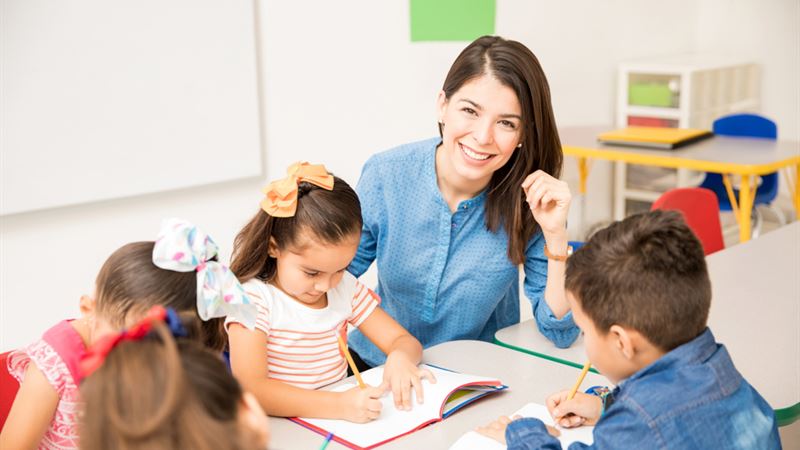
Colombia has made significant strides in expanding access to quality early childhood education through the establishment of affordable preschools across various regions. These centers serve as vital platforms to foster essential developmental skills in young children, preparing them for their educational journey and lifelong learning. Accessible preschool programs are especially crucial in areas where families might lack resources to afford private childcare, bridging gaps and promoting equitable growth. This comprehensive approach ensures that children from diverse backgrounds benefit from early learning opportunities, laying a solid foundation for their future success.
These preschools go beyond basic childcare by integrating structured educational activities that are designed to promote cognitive, social, emotional, and physical development. They focus on nurturing well-rounded individuals who are confident, curious, and ready to face the challenges of primary education and beyond. The program's core objective is to deliver high-quality early education that is inclusive, engaging, and tailored to meet the needs of Colombia’s vibrant and diverse communities. By investing in early childhood education, Colombia demonstrates its commitment to fostering a generation of learners equipped with the skills necessary for personal growth and social contribution.
- Science and Nature Exploration: Incorporating outdoor activities where children can learn about plants, trees, animals, and environmental conservation. Teachers organize experiments related to chemistry concepts like color mixing and measurement, encouraging curiosity and critical thinking. Field trips to local parks and botanical gardens provide real-world context to scientific learning and foster an appreciation for nature.
Understanding the natural world is a fundamental aspect of preschool education. Teachers introduce children to various animals—such as dogs, cats, dinosaurs, and birds—using vivid pictures, sounds, and storytelling. These lessons help young learners recognize different species, understand their habitats, and develop empathy for living creatures. By associating animal names, images, and sounds, children enhance their vocabulary and cognitive skills, fostering a lifelong interest in biology and ecology.
- Mathematical Foundations: Early math skills are cultivated through engaging activities like counting with play dough or other tactile materials. Children learn to associate symbols with quantities, improving their understanding of numbers. Pattern recognition games promote logical thinking, while scale-based activities help them grasp concepts of weight and measurement. During seasonal activities like snow days, teachers use everyday objects like cotton balls for counting exercises, making math fun and relatable.
Developing foundational math skills at an early age is essential for future academic achievement. Preschool programs utilize hands-on experiences, such as building with blocks or sorting objects, to introduce basic concepts like size, shape, and classification. These activities reinforce critical thinking and problem-solving skills, which are vital in more advanced mathematical learning later on.
- Enhancing Gross Motor Skills: Physical activity is a cornerstone of preschool curricula that promotes healthy development. Kids participate in organized movement games like hopscotch, adapted for indoor or outdoor play, ensuring continuous physical engagement even during rainy days. Educational videos, dance routines, and obstacle courses stimulate coordination, balance, and spatial awareness.
Physical development and motor skills are supported through various interactive activities. Simple yet effective games like hopscotch help children refine their balance and coordination, while energetic dancing sessions improve rhythm and muscle strength. These activities not only promote physical health but also boost confidence and social interaction among peers.
- Creative Expression Through Art: Visual arts, such as sidewalk chalk drawing and finger painting, serve as enjoyable outlets for creativity. Outdoor art sessions allow children to experiment with colors and shapes, while indoor activities like name painting foster recognition and fine motor skills. Art promotes self-expression and cultural awareness, and it encourages children to take pride in their creations.
Art activities are essential in fostering imagination and emotional development. By engaging in simple crafts and artistic projects, children learn to communicate ideas visually and appreciate different perspectives. These creative pursuits also serve as therapeutic outlets for emotions and help build patience, concentration, and a sense of achievement.
- Role-Playing and Dramatic Play: Pretend play enables children to explore different roles, scenarios, and social dynamics. Without expensive costumes or setups, teachers encourage children to imagine and act out stories, fostering language development and social skills. Building block structures and engaging with their own creations stimulate engineering skills and problem-solving abilities.
The cumulative impact of these activities significantly enhances various developmental domains in preschool children:
- Language Development: Through storytelling, singing, and interactive conversations, children expand their vocabulary and improve their communication skills, which are vital for social interactions and academic success.
- Social Skills: Playing cooperatively with peers teaches empathy, sharing, negotiation, and conflict resolution, forming the foundation for healthy relationships.
- Emotional Regulation: Activities that involve group participation help children understand emotions, develop patience, and cope with frustration effectively.
- Self-Regulation and Focus: Structured activities that require concentration and persistence lay the groundwork for self-discipline and academic resilience.
The preschool curriculum is shaped by underlying philosophical approaches that emphasize learning through play, exploration, and discovery. Teachers, parents, and administrators collaborate to design engaging, age-appropriate activities that foster curiosity and confidence. Early childhood development experts advocate for environments that balance guided instruction with open-ended play, recognizing that children learn best when they can explore their interests in supportive settings. Cultivating self-esteem through playful learning experiences not only prepares children for school but also nurtures their overall personality development, ensuring they grow into competent, confident individuals.