
Complimentary Mobile Devices and Plans for Senior Citizens
Discover how elderly individuals can access free cell phones and affordable plans through government programs like Lifeline. This comprehensive guide covers eligibility requirements, service providers, and steps to obtain essential communication devices, promoting safety, independence, and social connection for seniors living alone or in assisted environments.
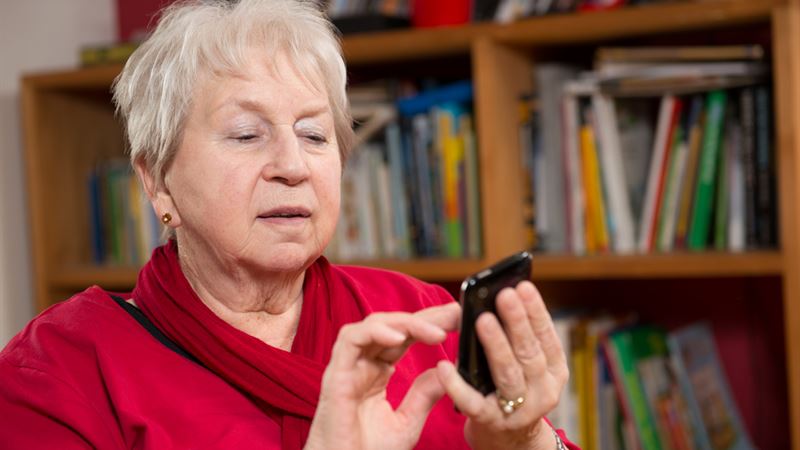
For elderly individuals, having access to a reliable communication device is crucial, especially given their increased vulnerability to emergencies and social isolation. Many seniors live alone, making it essential for them to stay connected with loved ones, healthcare providers, and emergency services. A mobile phone can significantly enhance their safety and independence, allowing quick contact in urgent situations and reducing feelings of loneliness.
The Importance of Mobile Connectivity for Older Adults
Many seniors face the challenge of living independently, often spending large portions of their day alone. Data indicates that approximately one-third of seniors reside without immediate family or caregivers nearby. This isolation can lead to heightened risks, including accidental falls, medical emergencies, or sudden health issues. Possessing a mobile phone offers a vital lifeline, enabling seniors to summon help promptly, navigate their environment safely, and maintain social connections. Staying connected can also provide peace of mind for both seniors and their families, reducing anxiety about health and safety.
Government Initiatives Offering Free Phones to Senior Citizens
The concept of providing free or subsidized mobile phones to low-income and elderly populations emerged in the mid-2000s. Recognizing that many seniors are financially constrained and may prioritize essentials over communication devices, the federal government introduced programs designed to bridge this gap. In 2005, the Lifeline Assistance program was established to ensure that low-income individuals, including seniors, could access affordable communication services. This initiative aims to promote digital inclusion, enhance safety, and improve quality of life for vulnerable populations.
The Lifeline program is funded by federal contributions and managed by the Universal Service Administrative Company. It ensures that eligible seniors across the country can obtain free phones and discounted service plans, providing them with essential connectivity tools to stay safe, informed, and socially engaged.
Eligibility Criteria for Receiving Free Mobile Devices and Plans
To qualify for free mobile services under the Lifeline Assistance program, seniors must meet specific eligibility standards, which vary by state. Common criteria include:
- Having an annual household income at or below 135% of the federal poverty guidelines.
- Participation in qualifying assistance programs such as:
- Medicaid
- Supplemental Nutrition Assistance Program (SNAP)
- Temporary Assistance for Needy Families (TANF)
- Section 8 Housing Assistance
- Federal Public Housing Support
- Welfare-to-Work programs
- Low-Income Home Energy Assistance Program (LIHEAP)
- Food stamps or free school lunch programs
- Indian Tribal Assistance programs
Eligibility is granted on a household basis, with only one benefit per household allowed. Seniors residing in nursing homes, homeless shelters, or temporary residences can also qualify under certain circumstances. It is advisable to verify specific requirements with local providers or government agencies, as policies can differ across states.
Major Service Providers Offering Free Phones to Seniors
Numerous service providers participate in the Lifeline Assistance program, offering diverse plans that include free phones, unlimited or limited calling minutes, and data options. Some of the prominent providers include:
- Assurance Wireless
- Safelink Wireless
- ReachOut Wireless
- TAG Mobile
- GCI
- Inmate Wireless
- Cintex Wireless
- Infinity Wireless
- Easy Wireless
- FeelSafe Wireless
Most plans offer at least 250 minutes of free calls per month, with some providers offering additional features like text messaging and data. These providers aim to cater specifically to seniors, ensuring easy-to-use devices and reliable service to promote safety and connectivity.
Steps to Obtain a Free Cell Phone and Service
Getting started with a free mobile device involves a few straightforward steps:
- Assess your eligibility based on income and participation in qualifying programs.
- Research available service providers in your area and compare their plans and offers.
- Choose a provider that best fits your needs regarding coverage, device type, and cost.
- Gather necessary documentation such as proof of income or enrollment in assistance programs.
- Apply online or in person through authorized retailers or service providers.
- Upon approval, select your preferred device and plan, and set up service.
- Begin enjoying the benefits of reliable communication, emergency access, and social connectivity.
Ensuring you meet all eligibility requirements and carefully selecting your provider can help you maximize the benefits of these programs, giving you peace of mind and enhancing your quality of life as a senior citizen.