
Comprehensive Guide to Foods Suitable and Unsuitable for the Atkins Diet
This comprehensive guide details foods to include and avoid during the Atkins diet, covering low-carb options for both omnivores and vegetarians. It emphasizes natural, minimally processed foods essential for effective weight management and long-term health. Practical tips for pantry revision and meal planning are also provided to help followers succeed and maintain their ideal weight sustainably.
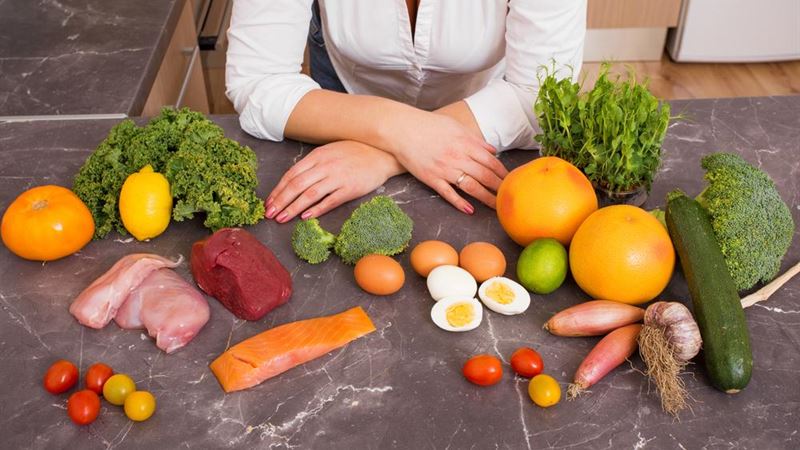
The Atkins diet, renowned for its emphasis on low carbohydrate intake, allows for the inclusion of certain foods that are typically high in fats and proteins. As followers progress beyond the initial phase, they can gradually incorporate healthier carbohydrate sources, but many find they need to maintain a low-carb lifestyle long-term to sustain their weight management outcomes. Returning to previous eating habits, especially those rich in processed carbs, often leads to weight regain. Therefore, understanding which foods to include and exclude is vital for success and health maintenance on this diet.
Although it may seem restrictive, the Atkins diet does not exclude all delicious foods. In fact, many rich, flavorful items such as heavy cream, cheese, bacon, and dark chocolate can be safely enjoyed. These foods are high in fats, which serve as a primary energy source during low-carb phases. The diet's focus on fats and proteins helps promote ketosis, a state where the body burns fat for fuel, leading to effective weight loss.
Adapting the Atkins Diet for Vegetarians
While the Atkins diet is often associated with meat consumption, vegetarians can also successfully follow its principles with some modifications. High-quality plant-based protein sources such as soy products, nuts, and seeds are essential for maintaining adequate protein levels. For healthy fats, options like coconut oil and extra virgin olive oil are beneficial and widely recommended. Lacto-ovo vegetarians, who include eggs and dairy in their diet, can consume foods like eggs, cheese, butter, and heavy cream to meet their nutritional needs.
Developing a vegetarian-friendly plan within the Atkins framework involves choosing foods that are minimally processed. Natural, unprocessed foods retain their nutritional value and help adhere to the dietary guidelines. Examples include fresh meats like beef, lamb, and chicken (for omnivores), as well as seafood such as shrimp and shellfish. Fatty fish like salmon and trout are especially beneficial for their omega-3 fatty acids.
Vegetarians should focus on incorporating these key foods:
- Meats and seafood including beef, lamb, chicken, shrimp, shellfish
- Fatty fish like salmon, trout
- Eggs
- Dairy products such as Greek yogurt, cheese, butter, heavy cream
- Vegetables, especially low-carb options like leafy greens
- Berries like blueberries and strawberries
- Nuts including almonds, walnuts, macadamia nuts, hazelnuts
- Seeds such as sunflower and pumpkin seeds
- Fruits like apples, pears, oranges in moderation
- Healthy oils like extra virgin olive oil, coconut oil
- Dark chocolate, preferably with high cacao content
- Avocadoes, a rich source of healthy fats
To set a strong foundation, individuals considering the Atkins diet should evaluate their pantry contents. Replacing processed foods, junk snacks, sugary cereals, bread, and sweet beverages with whole, natural ingredients supports effective weight management and overall health. It is advised to minimize items high in sugar, wheat flour, and refined carbs.
Embarking on the Atkins diet offers significant benefits for weight loss, blood sugar regulation, and metabolic health. Prospective followers should educate themselves about the diet's rules through reputable sources, including books and online resources. There is a wealth of delicious low-carb recipes available online to help keep meals enjoyable while adhering to dietary guidelines. Consistency and awareness of individual nutritional needs are key to successful and sustainable results on this diet.