
Effective Dietary Strategies to Lower High Cholesterol Levels
Discover comprehensive dietary strategies to effectively lower high cholesterol. Learn about fiber-rich grains, healthy nuts, plant-based proteins, and proper oil choices that support cardiovascular health. Regular monitoring and lifestyle modifications complement these diet tips for optimal heart wellness.
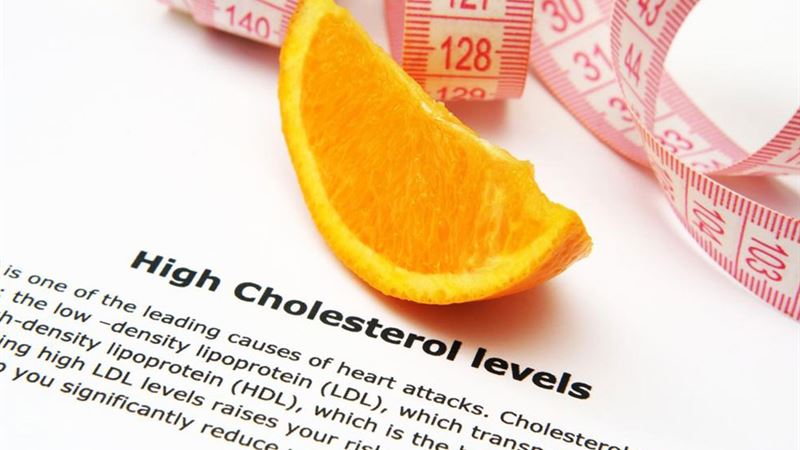
Inclusion of Whole Grains and High-Fiber Foods: Consuming whole grains like oats, barley, and brown rice enriches your diet with soluble fiber. This fiber binds to cholesterol molecules in the digestive tract, preventing their absorption into the bloodstream and facilitating their removal. Regular intake of fiber-rich foods has been shown to reduce LDL cholesterol levels significantly. For instance, starting your day with a bowl of oatmeal can aid in managing cholesterol effectively.
Nuts as Natural Heart Protectors: Almonds, walnuts, pecans, and other nuts are packed with healthy monounsaturated and polyunsaturated fats, which can help lower LDL levels. Nut consumption also provides essential nutrients such as vitamin E, magnesium, and fiber, supporting overall cardiovascular health. A daily handful—about two ounces—can bring noticeable improvements in cholesterol profiles.
Choosing the Right Vegetable Oils: Replacing saturated and trans fats with healthy vegetable oils is a vital strategy. Oils like extra virgin olive oil, sunflower oil, and canola oil contain beneficial unsaturated fats that promote heart health. These oils help reduce LDL cholesterol when used for cooking or as dressings, especially when combined with a balanced diet.
Plant-Based Proteins and Soy Products: Incorporating soybeans, tofu, soy milk, and other soy-based foods into your diet can lower LDL cholesterol. Consuming approximately 20 grams of soy protein daily may decrease LDL levels by up to 6%. These plant-based proteins serve as excellent alternatives to animal fats, further helping to manage cholesterol effectively.
Fruits and Vegetables: A diet rich in colorful fruits and vegetables provides antioxidants, fiber, and phytochemicals that support healthy cholesterol levels. Berries, citrus fruits, leafy greens, and cruciferous vegetables help fight oxidative stress and reduce inflammation, both of which are linked to heart disease.
Additional Lifestyle Tips: Besides diet, regular physical activity, maintaining a healthy weight, avoiding tobacco, and limiting alcohol consumption are vital for optimal cholesterol management. Routine check-ups enable you to monitor your levels and adjust your lifestyle accordingly.
By cultivating a balanced diet filled with these heart-healthy foods and maintaining an active lifestyle, you can effectively lower your LDL cholesterol and enhance your overall cardiovascular health. Making informed dietary choices today paves the way for a healthier, longer life tomorrow—prioritize your heart health with these proven strategies.