
Effective Dietary Strategies to Rapidly Alleviate Diarrhea
Discover comprehensive dietary and natural remedies to stop diarrhea quickly. Learn effective foods, hydration strategies, and when to seek medical help to ensure safe recovery. Incorporate probiotics, rice water, the BRAT diet, and other bland foods to restore gut health and prevent dehydration. Follow practical tips for prevention and early intervention to minimize complications and promote gastrointestinal well-being effectively.
Persistent diarrhea can be both uncomfortable and dangerous, leading to dehydration and nutrient loss if not treated promptly. Understanding how diet impacts diarrhea and knowing what foods to incorporate into your meals can significantly speed up recovery. Properly selecting your food and beverage intake is essential, especially during the initial stages of diarrhea, to restore balance in your digestive system and prevent further complications. This comprehensive guide provides detailed insights into various natural and dietary approaches to halt diarrhea quickly and effectively.
One of the most effective natural remedies is arrowroot, a starchy root known for its soothing properties on the gastrointestinal tract. To prepare arrowroot for diarrhea relief, combine two teaspoons of arrowroot powder with cold water to create a thin slurry. Proceed by boiling water separately, then stir in the slurry until it thickens into a porridge-like consistency. This dish can be seasoned with a pinch of salt or sugar and enjoyed alongside diluted plain yogurt or milk. If you prefer, arrowroot can also be found in cookie forms or as ready-made biscuits available in markets. Incorporating arrowroot into your diet not only helps manage diarrhea but also provides essential nutrients such as folate, phosphorus, potassium, iron, and protein, which aid in nourishing your body during illness.
Beyond arrowroot, incorporating probiotics into your diet can notably expedite recovery. Foods like plain yogurt, kefir, and kombucha are rich sources of beneficial bacteria that help restore healthy gut flora disrupted by diarrhea. An imbalance of gut bacteria often underpins diarrhea, and replenishing these bacteria can normalize bowel movements. When choosing probiotic foods, opt for those without added sugars, as excess sugar can exacerbate diarrhea symptoms. Plain, unsweetened options are preferable for promoting healing and maintaining gut health, ultimately helping you regain your digestive balance faster.
Another traditional remedy to consider is rice water, a simple yet effective solution to control diarrhea. To prepare rice water, rinse a cup of rice thoroughly, then boil it in double the amount of water for about 10 minutes or until the water turns cloudy. Strain the rice and sip the rice water slowly throughout the day. Consuming rice water helps absorb excess fluids and binds waste within the intestines, resulting in firmer, bulkier stools. Additionally, rice water plays a vital role in preventing dehydration—a common and dangerous complication of diarrhea. You can also eat the cooked rice as part of your diet to increase intake of gentle, binding foods that support stool formation.
The BRAT diet—comprising Bananas, Rice, Applesauce, and Toast—is widely recognized as an effective, gentle eating plan during diarrhea episodes. These foods are bland, low in fiber, and starchy, making them less likely to irritate the gastrointestinal tract. Bananas provide potassium and help replenish electrolytes; rice and toast offer easy-to-digest carbohydrates; and applesauce adds a mild flavor with pectin, which can help firm up stools. When preparing applesauce, choose unsweetened varieties to avoid sugar that can worsen symptoms. Following the BRAT regimen can reduce stool frequency and improve stool consistency, accelerating recovery. It’s essential to hydrate adequately during this period by drinking plenty of water or rehydration solutions recommended by healthcare providers to stave off dehydration and electrolyte imbalances.
In addition to the BRAT diet, other bland, easy-to-digest foods can support recovery. Clear broths and vegetable soups are excellent choices as they provide hydration and essential nutrients without irritating the digestive system. Potatoes, whether boiled or baked, are gentle on the stomach and can help restore energy levels. Saltine crackers and simple cereals like cream of wheat are also suitable options, helping to stabilize bowel activity. These foods are particularly beneficial when diarrhea persists, as they help soothe the digestion and form solid stools.
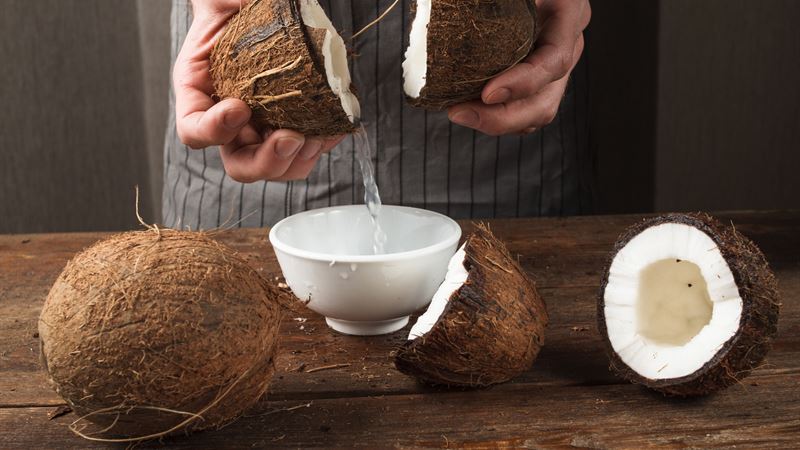
Hydration plays a pivotal role in managing diarrhea. While water remains the primary choice, incorporating electrolyte-rich fluids is vital to replace lost minerals and prevent dehydration. Options include electrolyte-enhanced water, oral rehydration solutions, and coconut water, which naturally contain electrolytes like sodium, potassium, and magnesium. Non-greasy, clear broths and soups are also beneficial, offering hydration along with mild nourishment. Decaffeinated herbal teas, such as chamomile or peppermint, can soothe the digestive tract and provide additional comforts during recovery. Ensuring consistent fluid intake is key to maintaining hydration, especially when experiencing frequent watery stools.
Intelligent management of diarrhea also involves knowing when to seek professional medical help. Seek immediate medical attention if you experience severe abdominal pain, persistent bloody stools, extreme fatigue, signs of dehydration, or if diarrhea persists beyond a few days. Some cases require antibiotics, especially if bacterial infections are involved. Underlying conditions such as food allergies, irritable bowel syndrome (IBS), or celiac disease may necessitate specific treatments prescribed by healthcare professionals. Early diagnosis and targeted treatment can prevent complications and speed up recovery.
Preventing diarrhea from recurring involves stringent hygiene practices and safe food handling. Regular handwashing, especially before eating or preparing food, is fundamental. Cooking food thoroughly, washing fruits and vegetables properly, and avoiding sharing personal items can reduce exposure to pathogens. In cases of viral gastroenteritis, minimizing contact with infected individuals is crucial. Disinfecting commonly touched surfaces and maintaining a clean environment help reduce the spread of germs. These preventive measures are essential to lessen the risk of future episodes of diarrhea and maintain overall gastrointestinal health.
In summary, managing diarrhea effectively requires a combination of appropriate dietary choices, hydration, and prompt medical consultation when necessary. Incorporating foods like arrowroot, probiotic-rich products, rice water, and following the BRAT diet can significantly shorten the duration of symptoms. Maintaining good hygiene practices and being vigilant about underlying health issues can prevent recurrence. Always listen to your body, seek medical attention when symptoms worsen, and adopt healthy eating habits to maintain a resilient digestive system.