
Essential Superfoods for Promoting Heart Health and Longevity
Discover the top five superfoods vital for maintaining a healthy heart. From berries to fatty fish, learn how these nutrient-rich foods can effectively reduce inflammation, lower cholesterol, and promote vascular health. Incorporate these foods into your diet for improved longevity and cardiovascular well-being.
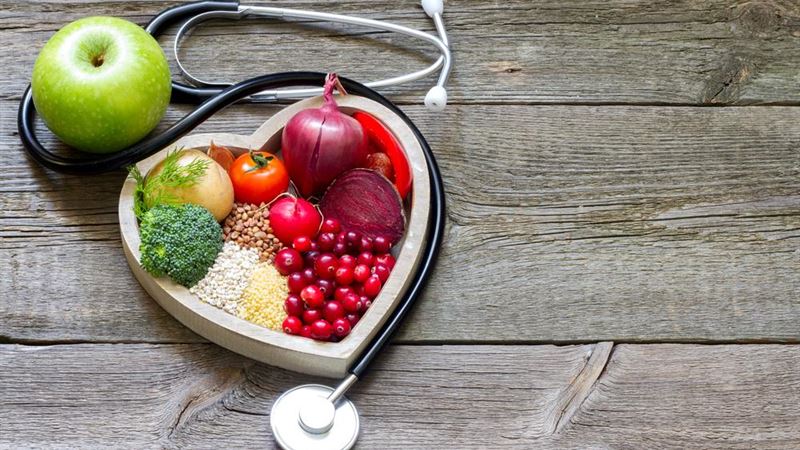
Maintaining a heart-healthy diet is crucial for preventing cardiovascular diseases and ensuring long-term wellness. Incorporating nutrient-dense foods rich in protective compounds can significantly reduce the risk of heart-related conditions. These foods are particularly valuable for their high levels of vitamin K, dietary nitrates, antioxidants, omega-3 fatty acids, and various essential minerals. By choosing the right superfoods, you can boost your heart's health, improve vascular function, and promote overall cardiovascular resilience. In this comprehensive guide, we explore five vital foods that should be a staple in your heart-healthy eating plan.
Berries: Nature’s Heart-Protection Powerhouses
Berries such as blueberries, strawberries, raspberries, and blackberries are not only delicious but packed with nutrients essential for cardiovascular health. These vibrant fruits are rich in antioxidants, particularly anthocyanins, which have been scientifically shown to combat inflammation and oxidative stress—key factors contributing to heart disease. Consuming berries regularly can help lower blood pressure, improve arterial flexibility, and reduce the risk of atherosclerosis. Their low-calorie, high-nutrient profile makes berries an ideal addition to breakfast cereals, smoothies, or as a simple snack. Incorporating a variety of berries allows you to benefit from their unique phytochemicals, maximizing your heart-protective potential. Their high vitamin C and dietary fiber also support vascular health and aid in maintaining healthy cholesterol levels.
**Practical Tips:** Try adding fresh berries to your morning oatmeal or blend them into a nutritious smoothie. Dried berries can serve as a convenient snack, and berry-based desserts can satisfy sweet cravings healthily.
Walnuts: Nutrient-Dense Nut for Heart Wellness
Walnuts are an excellent source of healthy fats, including polyunsaturated fats and omega-3 fatty acids, which are well-known for their cardiovascular benefits. They provide significant amounts of magnesium, copper, and manganese—minerals that support blood vessel function and reduce inflammation. Research consistently shows that regular walnut consumption can lower LDL cholesterol levels (the 'bad' cholesterol) and improve overall lipid profiles. Additionally, walnuts have been linked to reductions in blood pressure, making them a vital component of a heart-conscious diet. Their versatility allows them to be enjoyed as a snack, added to salads, or incorporated into baking recipes, offering both flavor and health benefits.
**Tips for Inclusion:** Snack on a handful of walnuts between meals or sprinkle chopped walnuts over yogurt and salads to boost flavor and nutrient intake. Remember to consume them in moderation due to their high-calorie content.
Seeds: Small but Mighty Superfoods
Seeds such as chia, flaxseeds, and hemp seeds are tiny nutritional powerhouses abundant in omega-3 fatty acids, dietary fiber, and essential minerals. Chia seeds and flaxseeds are particularly rich in alpha-linolenic acid (a plant-based omega-3) and soluble fiber, which help to reduce inflammation, lower blood pressure, and improve cholesterol profiles—all crucial for preventing heart disease. Hemp seeds provide a balanced profile of omega-3 and omega-6 fatty acids along with high-quality protein. These seeds are incredibly versatile; you can sprinkle them on salads, stir them into smoothies, or add to yogurt or oatmeal for an extra nutritional punch.
**Benefits and Tips:** Regular seed consumption has been associated with improved arterial health and reduced risk factors for cardiovascular disease. Use ground flaxseed for better absorption, and experiment with adding a tablespoon of seeds to your daily meals for optimal benefits.
Fatty Fish and Fish Oil Supplements: Omega-3 Heart Protectors
Fatty fish like salmon, sardines, mackerel, and tuna are among the richest sources of omega-3 fatty acids, which are vital for maintaining heart health. Omega-3s are known to decrease inflammation, reduce triglyceride levels, and prevent arrhythmias, all of which lower the risk of heart disease. Multiple studies have shown that individuals who regularly include oily fish in their diet tend to have a lower incidence of cardiovascular events. For those who do not consume enough fatty fish, high-quality fish oil supplements can be an effective alternative to ensure adequate omega-3 intake. It is recommended to include these fatty fish in your meals at least twice a week, or take supplements as advised by your healthcare provider.
**Recommendations:** Incorporate grilled salmon or sardines into your weekly menu. If opting for supplements, choose reputable brands and follow dosage instructions to maximize heart health benefits.
Berries such as blueberries, strawberries, raspberries, and blackberries are not only delicious but packed with nutrients essential for cardiovascular health. These vibrant fruits are rich in antioxidants, particularly anthocyanins, which have been scientifically shown to combat inflammation and oxidative stress—key factors contributing to heart disease. Consuming berries regularly can help lower blood pressure, improve arterial flexibility, and reduce the risk of atherosclerosis. Their low-calorie, high-nutrient profile makes berries an ideal addition to breakfast cereals, smoothies, or as a simple snack. Incorporating a variety of berries allows you to benefit from their unique phytochemicals, maximizing your heart-protective potential. Their high vitamin C and dietary fiber also support vascular health and aid in maintaining healthy cholesterol levels.
**Practical Tips:** Try adding fresh berries to your morning oatmeal or blend them into a nutritious smoothie. Dried berries can serve as a convenient snack, and berry-based desserts can satisfy sweet cravings healthily.
Walnuts: Nutrient-Dense Nut for Heart Wellness
Walnuts are an excellent source of healthy fats, including polyunsaturated fats and omega-3 fatty acids, which are well-known for their cardiovascular benefits. They provide significant amounts of magnesium, copper, and manganese—minerals that support blood vessel function and reduce inflammation. Research consistently shows that regular walnut consumption can lower LDL cholesterol levels (the 'bad' cholesterol) and improve overall lipid profiles. Additionally, walnuts have been linked to reductions in blood pressure, making them a vital component of a heart-conscious diet. Their versatility allows them to be enjoyed as a snack, added to salads, or incorporated into baking recipes, offering both flavor and health benefits.
**Tips for Inclusion:** Snack on a handful of walnuts between meals or sprinkle chopped walnuts over yogurt and salads to boost flavor and nutrient intake. Remember to consume them in moderation due to their high-calorie content.
Seeds: Small but Mighty Superfoods
Seeds such as chia, flaxseeds, and hemp seeds are tiny nutritional powerhouses abundant in omega-3 fatty acids, dietary fiber, and essential minerals. Chia seeds and flaxseeds are particularly rich in alpha-linolenic acid (a plant-based omega-3) and soluble fiber, which help to reduce inflammation, lower blood pressure, and improve cholesterol profiles—all crucial for preventing heart disease. Hemp seeds provide a balanced profile of omega-3 and omega-6 fatty acids along with high-quality protein. These seeds are incredibly versatile; you can sprinkle them on salads, stir them into smoothies, or add to yogurt or oatmeal for an extra nutritional punch.
**Benefits and Tips:** Regular seed consumption has been associated with improved arterial health and reduced risk factors for cardiovascular disease. Use ground flaxseed for better absorption, and experiment with adding a tablespoon of seeds to your daily meals for optimal benefits.
Fatty Fish and Fish Oil Supplements: Omega-3 Heart Protectors
Fatty fish like salmon, sardines, mackerel, and tuna are among the richest sources of omega-3 fatty acids, which are vital for maintaining heart health. Omega-3s are known to decrease inflammation, reduce triglyceride levels, and prevent arrhythmias, all of which lower the risk of heart disease. Multiple studies have shown that individuals who regularly include oily fish in their diet tend to have a lower incidence of cardiovascular events. For those who do not consume enough fatty fish, high-quality fish oil supplements can be an effective alternative to ensure adequate omega-3 intake. It is recommended to include these fatty fish in your meals at least twice a week, or take supplements as advised by your healthcare provider.
**Recommendations:** Incorporate grilled salmon or sardines into your weekly menu. If opting for supplements, choose reputable brands and follow dosage instructions to maximize heart health benefits.