
Top Natural Foods to Alleviate Pollen Allergy Symptoms
Discover effective natural foods to combat pollen allergy symptoms. From onions rich in quercetin to omega-3 fatty acids in salmon, these dietary strategies can boost your immune system, reduce inflammation, and provide relief from sneezing, congestion, and itchy eyes. Incorporate probiotics, turmeric, and fatty fish into your daily meals to naturally alleviate allergy discomfort and enjoy a healthier, allergy-free life during pollen season.
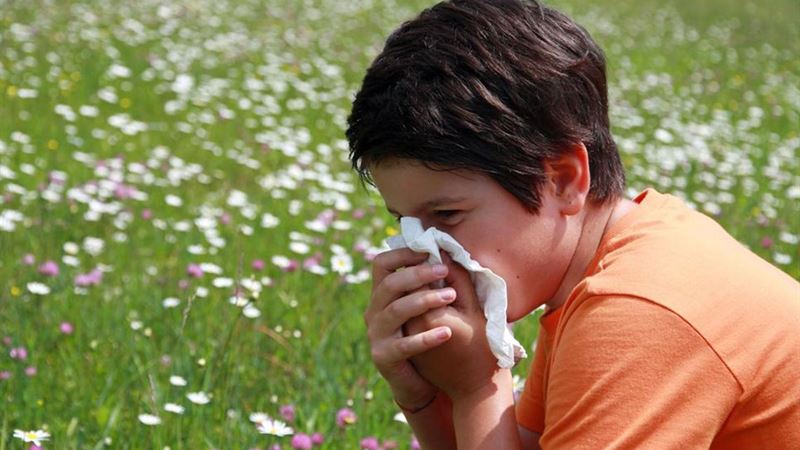
Understanding pollen allergy is crucial before exploring dietary remedies. Pollen allergy, also known as hay fever, is an allergic response triggered by allergens in pollen from trees, grasses, and weeds. When these allergens enter the body, they prompt an immune response, releasing chemicals like histamine that cause typical allergy symptoms. Managing pollen allergy often involves antihistamines and lifestyle adjustments, but diet plays an essential role in boosting your body’s resilience. The following foods are rich in compounds that can naturally ease these symptoms.
1. Onions: Nature’s Antihistamine Powerhouse
Onions are an everyday kitchen staple packed with a potent compound called quercetin. Quercetin is a flavonoid with powerful antioxidant properties, which makes it a natural antihistamine. It can help inhibit the release of histamine, thereby reducing allergy symptoms such as sneezing, runny nose, and itchy eyes. Regular consumption of onions may also help diminish inflammation in the respiratory pathways, easing breathing difficulties during pollen season. Moreover, onions are versatile and can be incorporated into a wide variety of dishes, making them a convenient and delicious choice for allergy sufferers.
2. Probiotic-Rich Foods: Supporting a Healthy Gut and Immune System
The connection between gut health and allergies has become increasingly evident. Probiotic foods, such as yogurt, kefir, and fermented vegetables, contain beneficial bacteria that help balance the gut microbiome. An imbalanced gut microbiome often triggers or worsens allergic reactions, as the immune system may overreact to harmless substances like pollen. Incorporating probiotics into your diet can enhance immune regulation and reduce allergy severity. Regular consumption of probiotic-rich foods supports better gut health and can lead to less intense allergy symptoms during pollen season.
3. Turmeric: A Natural Anti-Inflammatory and Decongestant
Turmeric, the vibrant golden spice, contains curcumin, a compound renowned for its anti-inflammatory and antioxidant properties. Curcumin can act as a natural decongestant, helping to open nasal passages and reduce congestion caused by pollen allergens. Its anti-inflammatory effects can also help soothe irritated tissues in the respiratory system, decreasing allergy symptoms. Including turmeric in your meals, teas, or supplements can provide a natural remedy to combat pollen-induced inflammation and improve overall respiratory health during allergy season.
4. Salmon and Fatty Fish: Rich Sources of Omega-3 Fatty Acids
Fatty fish, especially salmon, tuna, and mackerel, are excellent sources of omega-3 fatty acids. These essential fats possess potent anti-inflammatory effects, which can help downregulate inflammatory responses triggered by pollen allergens. A diet rich in omega-3s enhances immune function but also reduces the severity of allergic reactions. Regular intake of salmon supports the body's natural defenses, reducing nasal congestion, sneezing, and other allergy symptoms. Including oily fish in your weekly diet can be an effective strategy for managing pollen allergies naturally.
5. Additional Tips for Allergy Relief Through Diet
- Incorporate colorful fruits and vegetables high in antioxidants, such as berries, spinach, and bell peppers, to combat oxidative stress caused by allergies.
- Limit dairy intake if it worsens mucus production or congestion, as some individuals find dairy exacerbates allergy symptoms.
- Stay well-hydrated by drinking plenty of water, herbal teas, and broths to help thin mucus and facilitate easier breathing.
Conclusion: Embrace a Natural Approach to Allergy Management
While pollen allergies can be challenging, harnessing the power of natural foods offers a promising approach to symptom relief. Incorporating onions, probiotic-rich foods, turmeric, and omega-3 fatty acids like salmon into your diet can bolster your immune system and help your body fight off allergy symptoms more effectively. Remember, maintaining a balanced diet along with other lifestyle modifications like staying indoors during peak pollen hours and keeping windows closed can further reduce exposure.
Adopting these natural dietary strategies not only alleviates allergy symptoms but also promotes overall health and well-being. Consult with a healthcare professional for personalized advice and integrate these foods gradually into your diet to see beneficial effects. With consistent effort, you can enjoy pollen seasons with fewer symptoms and a healthier, more comfortable life.