
Comprehensive Strategies for Managing Autumn Allergies
Discover effective, comprehensive approaches to managing fall allergies, including environmental controls, personal hygiene tips, medication options, and lifestyle changes. Stay comfortable and enjoy the autumn scenery with these expert strategies tailored for allergy sufferers to minimize symptoms and improve quality of life during the fall season.
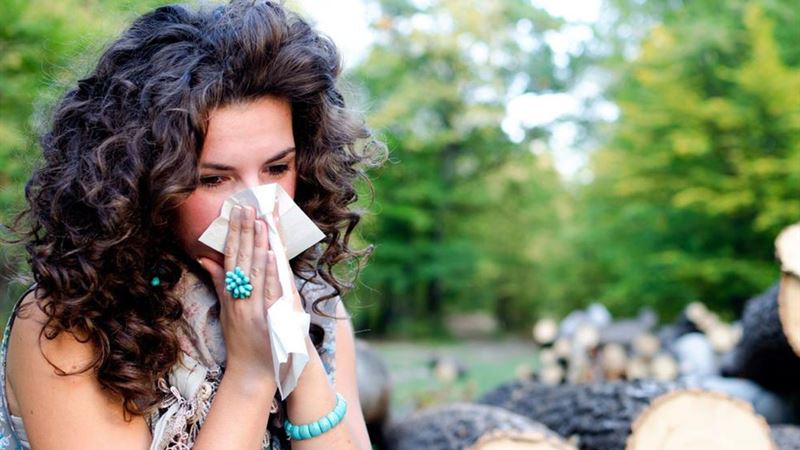
Autumn brings with it a beautiful change in scenery, but for many individuals, it also signals the start of challenging allergy symptoms. Recognizing and effectively managing these seasonal allergic reactions can improve your quality of life during this time. There are several indicators that suggest you might be experiencing fall allergies, including sneezing, post-nasal drip, itchy eyes, and more. Understanding these symptoms and proactive measures can help you find relief and enjoy the fall rather than suffer through it.
- Sneezing fits that seem unending
- Persistent post-nasal drip leading to throat irritation
- Itchy, watery eyes, nose, and throat
- Asthma flare-ups aggravated by allergens
- General fatigue and sluggishness
- Congestion obstructing breathing
- Frequent coughing and throat clearing
So, what are the most effective ways to combat fall allergies? Here, we will explore comprehensive strategies to help you minimize exposure and alleviate symptoms, ensuring a more comfortable autumn.
Use a Dehumidifier to Reduce Indoor Moisture
During autumn, humidity levels inside your home tend to increase due to residual moisture from outdoor conditions. Excess humidity creates an optimal environment for mold growth and dust mite proliferation, both of which can trigger allergic reactions. Investing in a high-quality dehumidifier allows you to control indoor moisture levels effectively. This device extracts excess moisture from the air, preventing mold and dust mites from thriving and helping you breathe more comfortably. Proper humidity levels—ideally between 30% and 50%—are essential during fall allergy season.
Maintain Personal and Household Hygiene
After spending time outdoors, you inevitably bring pollen and other allergens into your home. To prevent these from triggering allergic reactions, it’s crucial to adopt strict hygiene routines. Remove your shoes at the door, as they are primary carriers of pollen and dirt. Change and wash your clothes immediately upon returning home to eliminate pollen residues. Taking a shower to rinse pollen from your skin and hair can also significantly reduce indoor allergen levels. Regular cleaning of bedding, curtains, and upholstery can further diminish allergen accumulation.
Monitor Pollen Count and Air Quality
Keeping an eye on local pollen forecasts can help you plan your outdoor activities. On days when pollen levels are unusually high, it’s advisable to stay indoors as much as possible. If you need to go outside, consider wearing a pollen mask or wrap-around sunglasses to protect your eyes and respiratory system. When pollen counts subside, you can gradually resume outdoor activities. Timing your peak outdoor exposure to periods of lower pollen levels—as early mornings or late evenings—may also help reduce symptoms.
Avoid Hanging Clothes Outdoors
Hanging laundry outside during fall seems convenient, but it can be a magnet for pollen. Drying your clothes outdoors allows pollen to settle on fabric fibers, which then come into contact with your skin when you wear them. To avoid this issue, always use a dryer or indoor drying racks, and wash your clothes promptly after bringing them inside to wash away any pollen residue.
Utilize Over-the-Counter Antihistamines
OTC antihistamines can provide significant relief from allergy symptoms. Modern formulas are non-drowsy, long-lasting, and highly effective. It’s recommended to start taking antihistamines a few days before the fall season peaks and continue throughout the period of high pollen presence. Consistent medication use, as advised by your healthcare provider, ensures that your immune response is subdued, minimizing sneezing, itching, and congestion.
Upgrade Your Air Conditioning Filters
Regularly replacing your air conditioner filters is critical during allergy season. Pollens and dust mites often accumulate in these filters, contributing to indoor allergen levels. Use hypoallergenic filters with HEPA filtration capabilities to trap pollen particles effectively. Changing filters monthly or as recommended ensures your AC unit is working optimally and reduces pollen circulation in your living space.
Operate Your Air Conditioner at Night
Sleeping for approximately eight hours every night in an allergen-free environment can substantially lessen allergy symptoms. Keep your air conditioner running at night and ensure that it is equipped with high-efficiency filters such as HEPA. These filters can significantly reduce airborne pollen and other allergens, providing a cleaner, healthier indoor sleep environment. Proper ventilation and filtration maintain air quality, especially important during peak allergy periods.
Limit Contact with Pets, Especially Dogs
If you have a dog or other pets, it’s vital to understand that animals can carry pollen on their fur, which can aggravate allergies. Keep pets out of bedrooms and sleeping areas during high pollen seasons. Regular grooming of pets and bathing to remove pollen can also help minimize allergen transfer. Making the decision to keep pets away from your personal living spaces temporarily may significantly improve your allergy symptoms during fall.
In conclusion, managing fall allergies requires an integrated approach that combines environmental control, personal hygiene, and careful planning. By implementing these strategies—such as controlling indoor humidity, maintaining cleanliness, monitoring pollen levels, and using appropriate medications—you can reduce symptoms and enjoy the beauty of the autumn season without discomfort. Remember, consulting an allergist for personalized treatment options can further enhance your allergy management plan, helping you achieve a sneeze-free, allergy-minimized fall.