
Comprehensive Insights into Bottled Water Brands and Choices
This in-depth article explores the realities of bottled water brands, discussing safety, environmental effects, certifications, comparisons with tap water, storage tips, and sustainable alternatives. Readers will gain valuable insights to make more informed and eco-conscious hydration choices in today’s fast-paced world, balancing convenience with safety and sustainability.
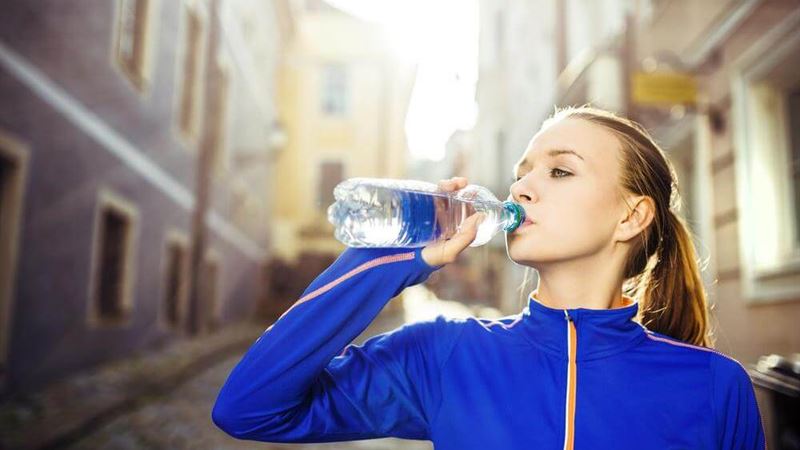
In today’s fast-paced world, bottled water has become a staple for many individuals seeking convenience and hydration. With countless brands competing in the marketplace, consumers often wonder about the true quality, safety, and environmental impact of these bottled waters. While advertisements often portray bottled water as pure and pristine, understanding what lies beneath the surface is crucial for making informed decisions.
This comprehensive guide delves into various aspects of bottled water brands, covering issues of purity, environmental effects, certifications, comparisons with tap water, storage tips, and alternatives. By exploring these topics in depth, consumers can better grasp the reality behind bottled water and choose options that align with their health and ecological values.
Are Bottled Water Brands Truly Pure and Safe?
Many consumers purchase bottled water under the assumption that it is always pure and safe. However, the reality is a bit more complex. The packaging design—often depicting serene lakes or spring scenes—tends to suggest a natural origin. Yet, the actual sources can vary significantly, and not all bottled water originates from pristine springs. Some brands source water from municipal supplies, which have already undergone treatment for contaminants.
- Bottled water is processed and purified to meet safety standards but does not necessarily come from untouched natural springs. The source may be municipal water or other local water supplies that are treated before bottling.
- Companies must adhere to federal regulations to keep contaminant levels below permissible limits. Despite this, occasional lapses can occur, leading to potential safety concerns.
- To ensure safety, consumers should purchase bottled water only from trusted, reputable brands that prioritize quality control and transparency.
Environmental Impacts of Bottled Water
The widespread consumption of bottled water has significant environmental repercussions. Many brands source their water from regions inhabited by fragile ecosystems and small communities lacking reliable access to clean water.
- Over-extraction of water in these vulnerable areas can lead to ecological imbalance, affecting flora, fauna, and local populations.
- The production, packaging, and transportation of bottled water contribute extensively to carbon emissions, plastic waste, and pollution.
- Single-use plastic bottles are particularly problematic, as they often end up in landfills or oceans, harming wildlife and polluting ecosystems.
- It is vital for consumers to consider the ecological footprint when choosing bottled water brands, favoring those with sustainable practices.
Certification and Quality Assurance in Bottled Water
Certification plays a critical role in verifying the safety and quality of bottled water. Regular testing, audits, and certification by relevant authorities ensure that the products meet safety standards.
- Some brands go the extra mile by obtaining certifications such as NSF International, EPA, or local health department approvals, providing consumers with higher confidence in their product's purity.
- However, not all bottled water brands are certified, and consumers should seek out labels indicating quality assurance.
- Understanding the certification status of a brand helps in making informed choices about the water you consume.
Comparing Bottled Water to Tap Water
One common question is whether bottled water is superior to tap water. The answer largely depends on local water quality and the treatment processes involved.
- Bottled water may be perceived as cleaner and safer, but its quality varies based on brand, source, and purification methods.
- Tap water in many cities is rigorously tested and often meets or exceeds safety standards, making it a viable, eco-friendly alternative to bottled water.
- Checking annual water quality reports provided by municipal authorities can help you gauge the safety of your tap water.
- In some cases, using home filtration systems can significantly improve tap water quality, reducing reliance on bottled options.
Proper Storage and Shelf Life of Bottled Water
Bottled water labels typically suggest a shelf life of 1-2 years, but with proper storage, it can last much longer. Proper storage ensures water quality remains unaffected over time.
- Store bottled water in cool, dark places away from direct sunlight, heat, and chemicals to prevent contamination and degradation.
- Avoid exposing bottles to chemicals or storing them near sources of strong odors as plastic containers can sometimes leach substances into the water.
- While long-term storage is possible, always check for signs of spoilage or contamination before consumption.
Accessible Alternatives to Bottled Water
For those looking to reduce plastic waste or streamline hydration, several practical alternatives to bottled water exist. These options are often more economical and environmentally friendly.
- Filtered tap water is an excellent substitute, thanks to municipal water standards ensuring safety and purity.
- Home water filtration systems—such as pitchers, under-sink filters, or countertop units—can significantly improve tap water quality and taste.
- Portable water filter bottles are convenient for outdoor activities, travel, and excursions, providing clean drinking water on the go without generating plastic waste.
- Reusable water bottles made of stainless steel or glass are durable and eco-friendly options that encourage sustainable hydration habits.
In conclusion, while bottled water has become ingrained in modern lifestyles for its convenience, it is essential to be discerning about its safety, environmental impact, and alternatives. Making informed choices can help protect your health and the planet.