
Essential Guidelines for Purchasing High-Quality Gold Jewelry
This comprehensive guide covers essential aspects of buying gold jewelry, including understanding purity, alloy types, gold-plated versus solid pieces, and choosing reputable retailers. It aims to help buyers make informed decisions, ensuring quality, durability, and long-term value, whether for everyday wear or investment purposes.
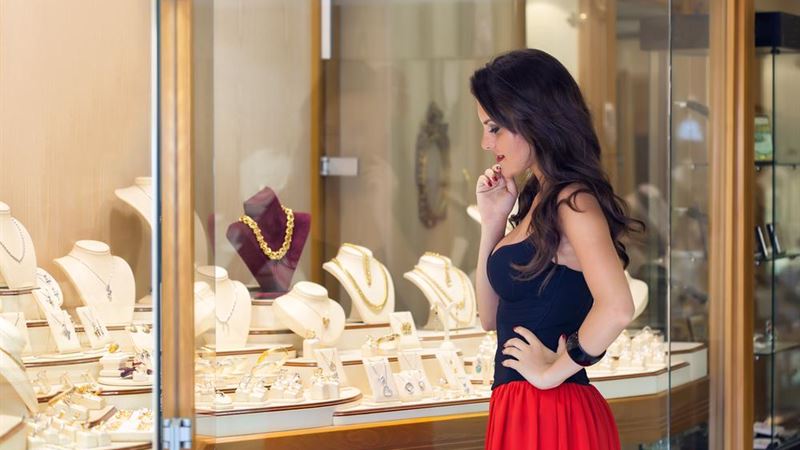
Embarking on the journey to buy gold jewelry can be an exciting yet overwhelming experience due to the multitude of options available today. With the evolution of jewelry design and manufacturing, consumers now have access to an extensive range of styles, from delicate everyday wear pieces to luxurious statement items. This abundance of choices can often make it challenging to determine what to look for and how to make an informed purchase. Given the significant investment involved, understanding key factors such as gold purity, alloy composition, jewelry type, and retailer credibility is essential to ensure you select pieces that not only delight you aesthetically but also retain value over time. This comprehensive guide aims to equip you with critical insights to navigate the gold jewelry market confidently and make choices that meet your style preferences and financial considerations.
Understanding Gold Purity and Quality:
One of the foremost considerations when purchasing gold jewelry is assessing its purity, which is typically denoted in karats. The karat system indicates the proportion of pure gold in the alloy, with 24K representing 100% pure gold. However, pure gold is quite soft and malleable, making it less suitable for everyday jewelry that needs to endure regular wear and tear. Consequently, most jewelry is crafted from gold alloys that combine pure gold with other metals to enhance durability. For example, 22K gold contains approximately 91.67% gold, while 18K gold consists of around 75% gold, and so forth. When selecting gold jewelry, higher karat ratings generally correspond to a richer color and greater intrinsic value, especially for investments. Nonetheless, the choice depends on your intended use — for daily wear, lower karats such as 14K or 18K are often recommended for their balance of purity and strength. It’s important to verify the karat stamp or hallmark on jewelry to confirm its authenticity and purity, which also indicates compliance with industry standards.
Alloy Composition and Metal Mixtures:
Gold on its own is a delicate and soft metal unsuitable for everyday jewelry. Modifying its properties involves alloying with other metals like copper, nickel, or silver. The specific combination impacts not only the jewelry’s durability but also its color, appearance, and potential allergenic reactions. For instance, rose gold results from mixing gold with copper, giving it a warm hue, while white gold typically contains palladium or nickel, offering a sleek, silvery look. Understanding the alloy composition is crucial for allergy sufferers, as some metals may trigger skin reactions. Additionally, the alloy percentage influences the piece’s toughness and longevity, making it more resistant to scratches and deformation. When purchasing, inquire about the specific metals used in the alloy to ensure it aligns with your preferences and skin sensitivities.
Gold-Plated versus Solid Gold Jewelry:
Another popular option among consumers is gold-plated jewelry, which involves coating a base metal like brass, silver, or bronze with a thin layer of gold. This method significantly reduces the cost, enabling access to the luxurious appearance of gold at a fraction of the price. However, the thickness of the gold layer is a critical factor; a thinner coat is prone to wear off over time, exposing the base metal underneath. Conversely, thicker gold layers, such as those created through electroplating or gold-filled processes, offer greater durability and longevity. When shopping, look for jewelry marked with specific indicators like "GP" for gold plated or "GF" for gold-filled, and evaluate the gold layer's thickness. For long-term investment or daily-wear purposes, investing in solid gold pieces is advisable to ensure lasting value and resistance to tarnishing or wearing out.
Choosing Trustworthy Retailers and Brands:
Purchasing gold jewelry from a reputable source is paramount to guarantee authenticity and quality. Whether you opt for a well-known jewelry brand or a trusted local jeweler, research their reputation, customer reviews, and certifications. Authentic sellers provide transparent information regarding gold purity, alloy composition, and hallmarks. Additionally, reliable jewelers offer after-sales services such as certification, appraisals, and maintenance, which add to the value and longevity of your jewelry. Building a relationship with dependable retailers ensures future purchasing confidence and access to authentic products. Always request certification for your jewelry, especially if purchasing for investment purposes, and make sure the store adheres to industry standards and ethical sourcing practices.
When properly cared for, gold jewelry can become a cherished family heirloom, appreciating in value over generations. Maintaining its luster involves regular cleaning, proper storage, and avoiding exposure to harsh chemicals. With the right knowledge and trustworthy sources, you can confidently select beautiful, durable, and valuable gold jewelry that complements your style and investment goals.