
Comprehensive Guide to Selecting the Perfect Gas Leaf Blower for Your Landscaping Needs
Discover the comprehensive guide to selecting the ideal gas leaf blower tailored to your landscaping and yard-maintenance needs. Explore essential features such as air velocity, airflow capacity, weight, noise levels, and engine types to make an informed purchase. Whether for large properties or professional landscaping, learn how to choose a powerful, durable, and environmentally mindful gas blower that enhances your outdoor cleaning efficiency and comfort. This detailed article provides insights into cost, maintenance, safety, and environmental impact, ensuring you find the perfect outdoor tool for your tasks.
Understanding Key Factors Before Purchasing a Gas Leaf Blower
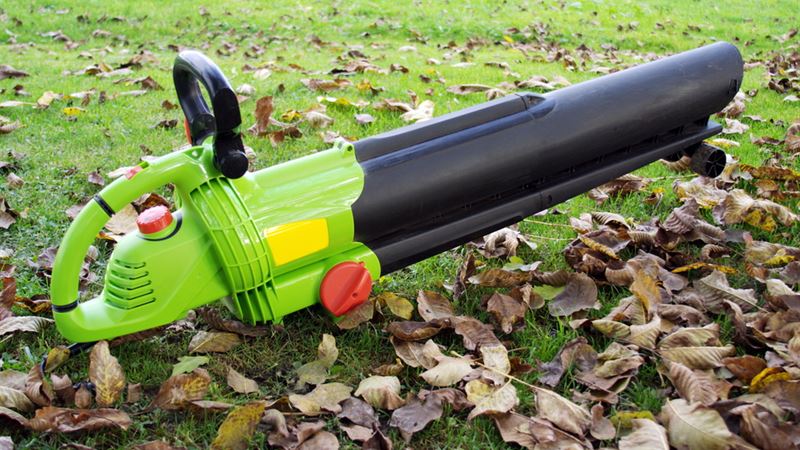
Choosing the right equipment for outdoor cleanup and landscaping is essential for maintaining a tidy yard and efficient garden management. Gas leaf blowers have remained popular among homeowners and professional landscapers due to their power and versatility. However, selecting the most suitable unit requires understanding specific features and considerations. This extensive guide explores critical aspects such as air velocity, airflow capacity, weight, sound levels, and types of engines, helping you make an informed decision. Dive into the details to find the ideal gas leaf blower tailored to your needs.
Air Velocity: MPH - Measuring Power and Performance
One of the primary metrics to consider is Miles Per Hour (MPH), which indicates how quickly air is expelled from the blower nozzle. Higher MPH values translate into faster air speeds, making the device more effective at displacing leaves, dirt, and debris. For large-scale or professional use, a blower with an MPH of over 200 is recommended, while homeowners might find units with lower MPH sufficient. Remember, higher air velocity enhances cleaning efficiency but can also affect control and safety; thus, choosing a balanced MPH level suited to your tasks is vital.
Airflow Capacity: CFM - Power in Cubic Feet per Minute
CFM, or Cubic Feet per Minute, measures the volume of air delivered by the blower. A higher CFM implies a greater airflow, essential for clearing large areas quickly or moving heavier debris like wet leaves or tangled twigs. For small yards, models with CFM ratings around 300-400 are often adequate, whereas expansive properties or professional landscapes may require blowers with 500 CFM or more. Striking a balance between air velocity and airflow ensures optimal performance tailored to your specific outdoor space.
Weight and Ergonomics: Comfort During Extended Use
Blower weight significantly affects ease of handling and user fatigue. Lighter units, typically weighing less than 10 pounds, are manageable for extended periods, reducing strain on your back and arms. Heavier models, often exceeding 15 pounds, may require harnesses or shoulder straps for comfort. Consider ergonomic features such as padded grips and adjustable straps. Prioritize models that feel comfortable, especially if you anticipate frequent or lengthy cleanup sessions, to prevent discomfort or injury.
Noise Levels: Decibels and User Experience
Decibel ratings indicate the noise produced during operation. Gas blowers tend to generate more noise than electric counterparts, with ratings often exceeding 70-80 dBA. If you live in a neighborhood with noise restrictions, look for models with lower dBA ratings, ideally under 75 dBA. Using hearing protection during prolonged use is also advisable. Remember, quieter models may cost more but contribute to a more neighbor-friendly and safer working environment.
Benefits of Gas Leaf Blowers Over Electric Models
In an era where lightweight and quiet electric leaf blowers are increasingly popular, why should you consider gas-powered units? The answer lies in their superior power, longer operational time, and better performance over extensive areas.
For properties exceeding half an acre, electric blowers can struggle to generate sufficient airflow and may require multiple batteries or extended charging periods. Gas models, equipped with larger engines, offer consistent power, making them ideal for large lawns, commercial complexes, or professional landscaping operations. Additionally, gas blowers tend to be more durable and suitable for heavy-duty tasks.
Electric vs. Gas: Cost and Maintenance Considerations
Electric leaf blowers are generally cheaper upfront and are more environmentally friendly since they produce no emissions during operation. However, they often rely on batteries, which can be costly to replace over time and may have limited run times. Conversely, gas blowers involve higher initial investments but offer longer use periods without the need for recharging. Maintenance includes checking fuel mixtures, cleaning carburetors, and replacing air filters, which, although routine, requires some mechanical knowledge.
Environmental Impact: Emissions and Pollution
Gas blowers emit pollutants due to the combustion process involving gasoline and oil mixtures. While electric blowers are cleaner during operation, their electricity source may involve fossil fuels unless powered by renewable energy like solar. It is essential to consider your environmental footprint and explore models designed to meet strict emission standards, such as EPA-certified units, which produce lower emissions and contribute to cleaner air quality.
Choosing the Right Gas Leaf Blower for Your Needs
Assess your yard size, the type of debris, and your physical capacity before deciding. Larger properties with dense foliage benefit from backpack or handheld models with high CFM and MPH ratings. For smaller spaces, handheld models may suffice. Consider whether you need a two-cycle or four-cycle engine. Two-cycle engines are lighter and cheaper but require mixing oil with fuel, which may be cumbersome for some users. Four-cycle engines operate similarly to car engines, requiring no mixing, but tend to be heavier and pricier.
Engine Types: Two-Cycle and Four-Cycle
- Two-Cycle Engines: Lightweight and more affordable, these engines are popular among homeowners. They produce less noise and are easier to handle for short tasks. However, the mixing of oil and gasoline must be done correctly to avoid damaging the carburetor. They require more maintenance and tend to emit more emissions compared to four-cycle units.
- Four-Cycle Engines: These engines run cleaner and are more fuel-efficient, as oil is stored separately in the crankcase. They are, however, heavier and more expensive. They produce less noise and are better suited for prolonged use or professional purposes.
Additional Features to Consider
- Adjustable Speed Controls: Allow you to modify airflow for different debris and yard conditions.
- Vibration Reduction: Features such as anti-vibration handles enhance comfort during extended use.
- ergonomic Design: Padded grips and lightweight construction reduce fatigue and improve maneuverability.
- Fuel Efficiency: Units that consume less fuel save money and reduce environmental impact.
- Warranty and Support: Reliable brands offer warranties and accessible customer care for peace of mind.
Safety Tips for Operating Gas Leaf Blowers
- Always wear hearing protection and safety goggles to shield against noise and debris.
- Use gloves and sturdy footwear for better grip and foot safety.
- Operate the blower away from your body and fans to prevent injury from high-speed air.
- Refuel in well-ventilated areas and keep the engine cool during refueling to avoid accidents.
- Regularly inspect and maintain your blower to ensure optimal performance and safety.
Conclusion: Making an Informed Choice
When selecting a gas leaf blower, consider the size of your yard, the amount and type of debris, your physical strength, and environmental concerns. By evaluating features like MPH, CFM, engine type, weight, and noise levels, you can choose a unit that balances power, comfort, and efficiency. Gas leaf blowers continue to be the go-to choice for heavy-duty outdoor cleaning, especially for large properties or professional use. With proper maintenance and safe operation, they can serve you effectively for years to come, transforming your outdoor chores into more manageable tasks.