
Comprehensive Guide to Excessive Daytime Sleepiness: Causes, Risks, and Effective Solutions
This comprehensive guide explores the causes of excessive daytime sleepiness, including sleep disorders, mental health issues, and lifestyle habits. It offers practical solutions and medical options to improve sleep quality, boost energy levels, and enhance overall well-being. Understanding these factors helps individuals take control of their sleep health for a more energetic, productive life.
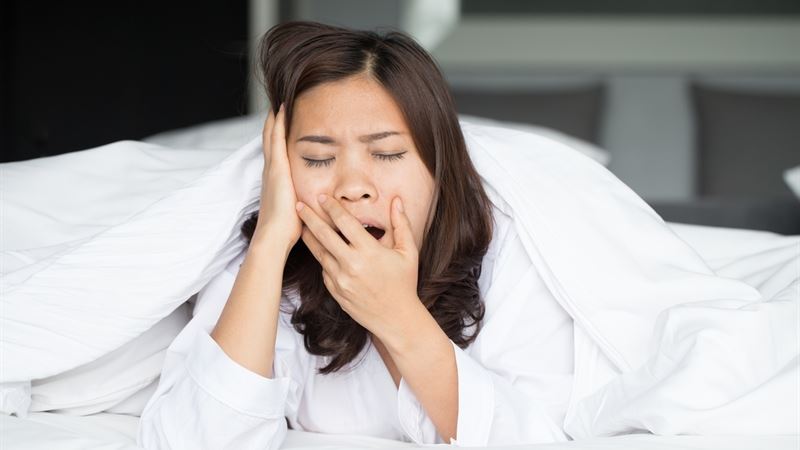
- Sleep disorders
Sleep disorders are among the most common culprits behind EDS, disrupting the natural sleep cycle and preventing the body from attaining quality rest. Some of the most prevalent sleep-related issues include:
- Obstructive Sleep Apnea (OSA): This condition occurs when the muscles in the throat relax intermittently during sleep, causing partial or complete obstruction of the airway. These obstructions result in frequent pauses in breathing, leading to fragmented sleep architecture. OSA is associated with loud snoring, gasping during sleep, and excessive daytime sleepiness. Untreated, it can increase the risk of cardiovascular problems, metabolic disturbances, and poor cognitive function.
- Narcolepsy: Narcolepsy is a neurological disorder characterized by an uncontrollable urge to sleep during the day. It results from abnormalities in brain chemicals that regulate sleep-wake cycles, leading to sudden episodes of sleepiness known as hypersomnia. People with narcolepsy may also experience cataplexy, a sudden loss of muscle tone triggered by strong emotions, as well as hallucinations and sleep paralysis.
- Restless Legs Syndrome (RLS) and Periodic Limb Movement Disorder (PLMD): RLS causes uncomfortable sensations in the legs, prompting an irresistible urge to move them, especially during periods of rest or at night. PLMD involves involuntary limb movements during sleep, causing frequent awakenings and fragmented sleep quality. Both conditions significantly contribute to daytime fatigue and sleepiness.
- Depression and Anxiety: Mental health issues often interfere with sleep patterns. Depression may cause hypersomnia, where individuals sleep excessively but feel unrefreshed. Anxiety disorders can result in insomnia, fragmented sleep, or early morning awakenings, all of which lead to feeling tired during the day.
- Bipolar Disorder: During depressive phases, individuals with bipolar disorder often experience significant disruptions in sleep patterns, including oversleeping or insomnia, which contribute to daytime drowsiness and cognitive impairment.
- Chronic Fatigue Syndrome (CFS): This complex disorder features persistent and unexplained fatigue that worsens with physical or mental activity. Sleep disturbances are common, further aggravating daytime sleepiness and impairing the quality of life.
- Hypothyroidism: An underactive thyroid gland reduces metabolic processes, often resulting in lethargy, sluggishness, and increased sleep propensity during the day, despite adequate or excessive sleep durations.
- Diabetes and Insulin Resistance: Fluctuations in blood sugar levels can cause fatigue, restless sleep, and increased sleepiness during daytime hours. Poor glycemic control exacerbates sleep disturbances, creating a vicious cycle.
- Poor Sleep Hygiene
Adopting unhealthy sleep habits can severely impact sleep quality and lead to daytime drowsiness:
- Irregular Sleep Schedule: Inconsistent bedtimes and wake-up times disrupt the body's circadian rhythm, making it difficult to fall asleep or wake up feeling refreshed.
- Unfavorable Sleep Environment: Excessive noise, bright lighting, uncomfortable bedding, or improper room temperature can interfere with achieving deep, restorative sleep.
- Screen Exposure Before Bed: Blue light emitted from smartphones, tablets, and computers suppresses melatonin production, delaying sleep onset and decreasing sleep quality.
- Substance Use
Consumption of certain substances before bedtime can influence sleep patterns:
- Caffeine and Alcohol: Excessive caffeine intake, especially later in the day, can lead to difficulty falling asleep. Though alcohol may initially promote drowsiness, it often causes fragmented sleep later in the night, resulting in fatigue the next day.
- Smoking: Nicotine is a stimulant that can delay sleep onset and reduce sleep quality, especially when smoked close to bedtime.
Addressing EDS involves a combination of lifestyle modifications, medical interventions, and sometimes behavioral therapies. Effective strategies include:
- Enhancing Sleep Hygiene
- Consistent Sleep Schedule: Going to bed and waking up at the same time every day helps regulate the internal clock and improves sleep quality.
- Creating an Ideal Sleep Environment: A dark, quiet, cool, and comfortable bedroom promotes deep sleep and reduces awakenings.
- Avoiding Screens Before Bed: Limiting the use of electronic devices at least an hour before sleep helps maintain natural melatonin production and facilitates easier sleep onset.
- Monitoring Diet and Substance Intake: Reducing caffeine and alcohol consumption near bedtime improves sleep continuity and minimizes residual fatigue.
- Medical Treatments and Therapeutic Interventions
- CPAP Therapy for OSA: Continuous positive airway pressure devices keep the airways open overnight, reducing apneas and improving sleep quality, thereby alleviating daytime sleepiness.
- Medications: In certain cases, prescribed drugs such as stimulants or wakefulness-promoting agents can be used under medical supervision to combat excessive sleepiness, especially for narcolepsy or hypersomnia.
- Behavioral and Psychological Therapies: Cognitive Behavioral Therapy for Insomnia (CBT-I) can effectively address sleep issues linked to anxiety, depression, or other mental health conditions, providing long-term benefits.