
The Comprehensive Evolution and Future Trends of Tire Technology
This detailed article traces the extensive history of tire evolution, from ancient rubber spheres to modern eco-friendly and smart tires. It highlights key technological breakthroughs like vulcanization, pneumatic innovation, and ongoing research in materials science. The article also explores future trends such as airless tires and AI integration, emphasizing the industry's commitment to safety, performance, and sustainability. Perfect for enthusiasts and industry professionals, it offers insights into the technological and environmental advancements shaping the future of tire technology.
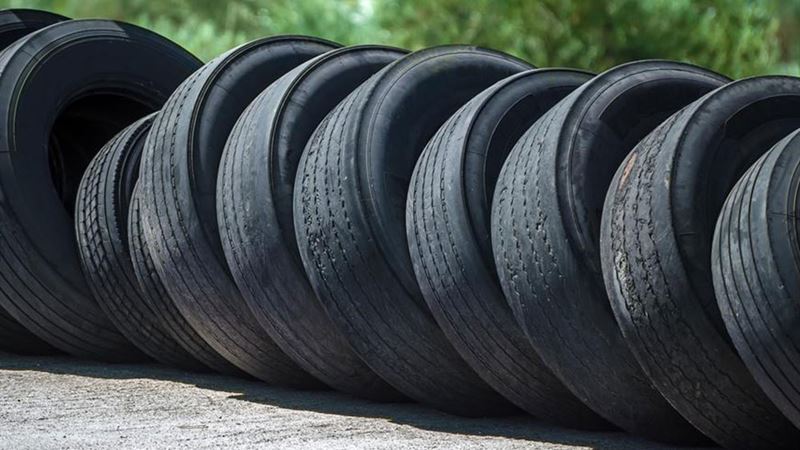
Throughout history, tires have undergone tremendous changes, driven by technological advancements and the diverse demands of transportation systems. From ancient rubber balls to sophisticated modern tires, each innovation has aimed to enhance safety, durability, efficiency, and environmental sustainability. This article explores the extensive journey of tire development, highlighting key technological breakthroughs, materials used, and the ongoing pursuit of innovation in this vital industry.
Initial discoveries of rubber can be traced back approximately 3,500 years, when indigenous peoples of South America harnessed natural latex from the rubber tree, scientifically known as Hevea brasiliensis. They boiled the latex and fashioned the first rubber artifacts, including balls that would eventually inspire global interest. When Christopher Columbus returned from his expeditions, he brought back rubber balls, igniting European curiosity about natural rubber products. For centuries, rubber was used in its natural form, with early tires being simple and functional—designed primarily to withstand loads and cushion shocks, especially for the burgeoning automobile industry of the late 19th century.
The quest to improve rubber's properties led scientists and industrialists to innovative techniques. The advent of vulcanization—discovered independently by Thomas Hancock in England and Charles Goodyear in the United States—marked a significant milestone. Vulcanization involved heating rubber with sulfur, transforming it into a more resilient, elastic, and heat-resistant material. This process not only improved the physical properties of rubber but also expanded its applications dramatically.
In the mid-1800s, the development of pneumatic tires revolutionized transportation. R. W. Thomson patented his invention in 1845, featuring multiple thin, air-filled tubes encased within a leather body. Although initially met with skepticism, these tires offered superior comfort and grip compared to solid rubber tires. Their ability to absorb shocks and distribute weight more effectively made them ideal for bicycles, early automobiles, and other vehicles. The success of a bicycle race held in Belfast, won using pneumatic tires, demonstrated the tires’ potential and spurred further acceptance and innovation.
Subsequent decades saw relentless research aimed at optimizing tire performance across varied environments and applications. Major tire manufacturers experimented with tread patterns, rubber compounds, and structural designs to address issues like road friction, grip, braking capability, and wear resistance. Each iteration aimed to produce safer, longer-lasting, and more efficient tires suitable for cars, trucks, aircraft, and even space exploration.
The racing industry has historically been a significant driver of tire innovation. High-performance racing tires continuously push the boundaries of materials science, resulting in advances that trickle down to consumer and commercial tires. Modern racing tires incorporate specialized rubber compounds, advanced tread geometries, and reinforced sidewalls to maximize speed, handling, and safety under extreme conditions.
In recent years, environmental concerns have prompted a shift towards sustainable tire manufacturing. Innovations include the use of bio-based and recycled materials, eco-friendly fillers, and the development of tires that are easier to recycle. Additionally, technological integration, such as run-flat tires, smart sensors for real-time pressure monitoring, and adaptive tread patterns, are shaping the future of tire technology.
Looking ahead, tire manufacturers are exploring new frontiers like airless tires, which eliminate the need for inflation and significantly reduce maintenance. Furthermore, the integration of nanomaterials, advanced coatings, and artificial intelligence algorithms is expected to revolutionize how tires are designed, manufactured, and managed throughout their lifecycle. These innovations promise to improve safety, efficiency, and environmental sustainability, aligning with the global push towards greener and smarter transportation systems.
In summary, the evolution of tires is a testament to human ingenuity and the relentless pursuit of better transportation solutions. From the earliest rubber artifacts to the high-tech tires of today and tomorrow, each leap forward has been driven by the need for safer, more efficient, and environmentally friendly mobility. As technology continues to evolve, the tire industry will remain at the forefront of innovation, shaping the future of transportation worldwide.