
Ultimate Guide to Designing a Compact and Functional Home Office Space
Create a highly functional and stylish small home office with smart furniture choices, effective lighting, and thoughtful decor. Maximize limited space to ensure comfort, productivity, and aesthetic appeal, whether for remote work or personal projects. Discover tips to organize, decorate, and furnish your compact workspace for optimal efficiency and elegance.
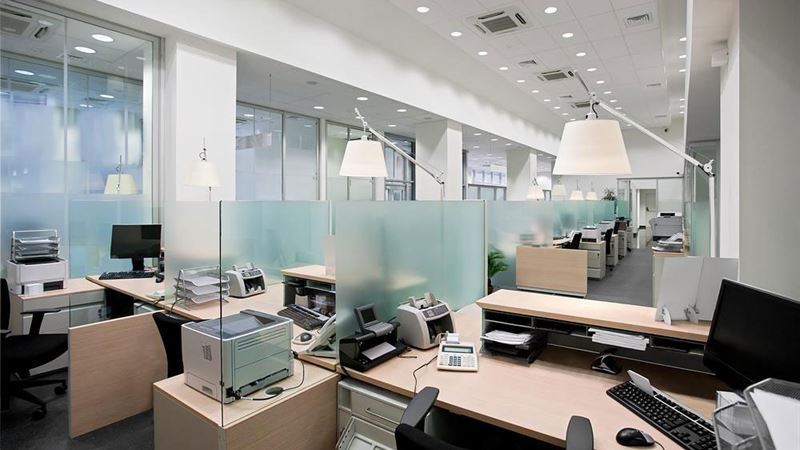
Creating an efficient and comfortable home office in a limited space is more achievable than ever, especially with the abundance of furniture options available online. Even small home offices can be designed to accommodate multiple helpers or assistants, ensuring versatility and productivity without sacrificing comfort or style. Whether you work remotely, run a small business, or need a dedicated spot for occasional tasks, smart planning and the right furniture selections can transform any compact area into a highly functional workspace.
Building a small home office that meets all your work-related needs involves careful consideration of layout, furniture, lighting, and decor. The goal is to maximize the available space while maintaining a design that fosters focus, comfort, and elegance. This comprehensive guide explores the essentials of setting up a small yet efficient home office, covering everything from choosing suitable furniture to creating a conducive lighting environment, adding seating areas for visitors, and ensuring the space is both productive and aesthetically pleasing.
One of the first steps in designing a small home office is selecting the right furniture pieces. For a workspace that accommodates a laptop, telephone, and essential stationery, a compact yet sturdy desk is ideal. Multi-functional work desks with integrated storage compartments, flat surface drawers for keyboards and mice, and adjustable features can enhance both comfort and organization. Many contemporary online stores offer a wide range of options, from sleek modern designs to more traditional styles, all in various price ranges suitable for different budgets.
Comfortable seating is equally vital. Ergonomic chairs with adjustable heights, lumbar support, and swiveling capabilities ensure that work sessions are comfortable and reduce fatigue. For those who spend extended hours working, investing in a good office chair significantly improves productivity and overall well-being. Rolling chairs with cushioned seats and adjustable armrests are perfect for small spaces, providing flexibility and mobility without sacrificing comfort.
Lighting plays a crucial role in creating an optimal work environment. Proper illumination reduces eye strain and enhances mood. Adjustable desk lamps with directional arms allow you to focus light precisely where needed, minimizing glare and shadows. LED lighting options with multi-reflector features are energy-efficient and provide bright, uniform illumination. Combining natural light with artificial lighting is ideal—position your desk near windows when possible, and supplement with task lighting to keep the workspace well-lit at all times.
In addition to the core furniture essentials, consider adding elements that improve the overall ambiance of your small office. For example, including a small seating area with a sofa or comfortable chairs can facilitate informal meetings or serve as a relaxing spot during breaks. A stylish teapoy or coffee table can enhance the aesthetic appeal and provide extra functionality. Arranging a few decorative items such as plants, artwork, or motivational quotes can make the space more inviting and inspiring.
Maintaining a clutter-free environment is critical in small offices to avoid feeling cramped. Use smart storage solutions like wall-mounted shelves, filing cabinets, and cable organizers to keep your workspace tidy. Minimalist furniture setups are often the most effective; choosing a few high-quality pieces rather than overcrowding the space with unnecessary furniture creates an open and airy feel. Remember, simplicity combined with thoughtful design is the key to a productive home office.
In summary, designing a compact home office involves selecting the right furniture that balances functionality with style, optimizing lighting to reduce eye strain, adding comfortable seating for visitors, and decorating thoughtfully to make the environment welcoming. By making strategic choices and embracing minimalism, even the smallest space can become a highly productive and elegant work zone. Whether you're setting up in a corner of your living room or a dedicated small room, the right setup can make your home office a place of inspiration, efficiency, and comfort.