
Comprehensive Guide to Funnel Marketing and Its Strategic Significance
Funnel marketing is a strategic approach to guide prospects through stages from awareness to advocacy, boosting customer retention and brand loyalty. This detailed guide explores its origins, importance, key components, and the cutting-edge tools that enhance its effectiveness. Implementing funnel marketing helps businesses reduce revenue loss, improve customer insights, and foster lasting relationships. From understanding the basic stages to leveraging advanced software solutions, organizations can optimize their sales process and achieve sustainable growth with well-structured funnel strategies.
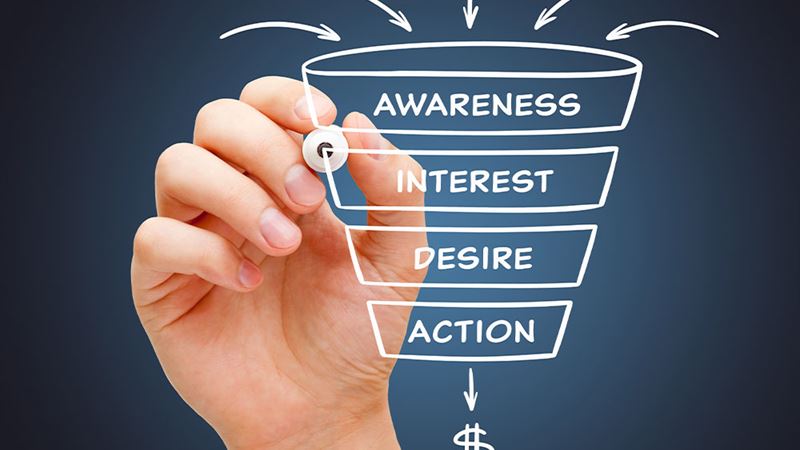
Funnel marketing has emerged as a pivotal strategy for businesses aiming to enhance customer acquisition, retention, and brand loyalty. By systematically guiding potential customers through a series of stages, companies can optimize their marketing efforts, improve conversion rates, and foster long-term relationships. This comprehensive approach not only elevates sales but also solidifies brand recognition in competitive markets. As digital channels continue to evolve, understanding and implementing effective funnel marketing techniques has become essential for entrepreneurs and large organizations alike.
The Significance of Funnel Marketing in Today's Business Landscape
In a globalized economy where competition is fierce and customer loyalty is fleeting, companies lose billions annually due to inadequate engagement and retention strategies. Studies indicate that approximately 1.6 billion dollars are lost each year from the inability to maintain a loyal customer base. Implementing a robust funnel marketing system addresses this challenge by creating a seamless journey from awareness to advocacy. It enables businesses to track prospects' behavior, personalize communication, and ultimately convert leads into loyal customers. This systematic approach streamlines the customer journey, making it easy for companies to measure their marketing effectiveness and identify areas for improvement.
Evolution and Foundations of Funnel Marketing
Funnel marketing is not a modern invention; its origins date back to the early 20th century with the development of the AIDA model—Awareness, Interest, Desire, and Action. This conceptual framework laid the groundwork for targeted marketing campaigns that guide consumers through a structured path toward purchasing decisions. Today, funnel marketing has expanded in scope and sophistication, integrating digital tools and data analytics to enhance its effectiveness. The core idea remains consistent: attract potential customers, nurture their interest, induce desire, and prompt action. This methodical process simplifies complex sales pathways and provides a measurable structure for marketing activities.
Understanding the Importance of the Marketing Funnel
The marketing funnel plays a critical role in transforming casual browsers into loyal buyers. Its importance is underscored by the significant financial losses experienced by businesses worldwide—losses that could be mitigated through strategic funnel management. Different models are tailored for B2B and B2C contexts, accommodating the unique dynamics of each market. Funnel management improves transparency, simplifies customer interactions, and provides clear data for decision-making. With dedicated funnel tracking platforms, companies can monitor the entire customer lifecycle, whether through physical stores or online channels, enriching their understanding of customer behaviors and preferences.
Key Components and Stages in Funnel Marketing
A typical funnel marketing strategy resembles an inverted pyramid, with its broad top representing initial awareness and its narrow bottom symbolizing loyalty and advocacy. While various models exist, the universally accepted framework includes five essential stages: Awareness, Consideration, Conversion, Loyalty, and Advocacy.
- Awareness: This is the initial stage where potential customers first encounter your brand. Effective awareness campaigns leverage content marketing, social media, influencer partnerships, and advertising to introduce your value proposition. The goal here is to generate interest and familiarize your audience with what you offer, setting the foundation for future engagement.
- Consideration: At this stage, prospects evaluate your offerings against competitors. Demonstrating your unique value propositions, customer testimonials, case studies, and engaging content can influence their decision-making process. Building trust and showcasing your brand’s strengths are crucial.
- Conversion: Here, prospects are persuaded to make a purchase. Streamlining the buying process, offering incentives like discounts or free trials, and providing excellent customer support help facilitate this transition from interest to action.
- Loyalty: Post-purchase engagement is vital for retaining customers. Loyalty programs, personalized email marketing, exclusive offers, and exceptional customer service foster ongoing relationships, encouraging repeat business.
- Advocacy: Satisfied customers become brand advocates, promoting your products through word of mouth and social sharing. Encouraging reviews, referrals, and testimonials amplifies your reach and attracts new prospects organically.
Tools and Technologies Supporting Funnel Marketing
Modern funnel marketing relies heavily on sophisticated software platforms that automate and optimize multiple stages of the customer journey. These tools incorporate features like email automation, content distribution, analytics, and customer data management, enabling marketers to implement targeted strategies efficiently. Funnel tracking software, in particular, provides invaluable insights by monitoring individual customer activities, preferences, and behavior patterns. This real-time data collection allows businesses to tailor their marketing efforts, improve customer experience, and identify potential bottlenecks or drop-off points.
By reducing manual workloads and data silos, these tools enhance operational efficiency. They facilitate data visualization, helping decision-makers understand trends and forecast future developments. Before selecting a funnel marketing platform, organizations should evaluate their internal policies, required features, and the training needs of staff to ensure seamless integration and maximum return on investment.