
Comprehensive Dietary Guidelines for Managing Gastritis: What to Eat and What to Avoid
This comprehensive guide explores which foods can help soothe gastritis symptoms, focusing on anti-inflammatory and gut-friendly options, while highlighting common triggers to avoid. Proper dietary choices are pivotal for managing and recovering from gastritis, supporting overall digestive health, and reducing discomfort. A well-balanced diet emphasizing vegetables, probiotics, lean proteins, and whole grains, alongside avoiding spicy, acidic, and fatty foods, can make a significant difference. Always seek medical advice before implementing major diet changes to ensure they suit individual health needs.
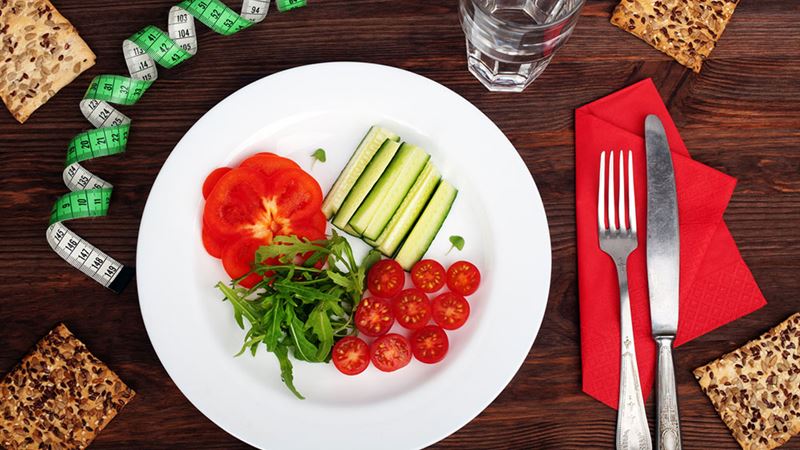
- Cruciferous Vegetables
Vegetables such as broccoli are packed with sulforaphane, a compound demonstrated to combat Helicobacter pylori bacteria, a leading cause of gastritis. This compound not only has antimicrobial properties but also helps reduce inflammation in the stomach lining. Integrating broccoli and other cruciferous vegetables like cauliflower and Brussels sprouts into your diet can be a strategic move to alleviate symptoms and fight the root causes of gastritis. - Probiotic-Rich Foods
Foods containing probiotics, including yogurt, kefir, sauerkraut, and fermented foods, play a pivotal role in maintaining a healthy gut flora. These beneficial bacteria enhance digestion, bolster the immune response, and can prevent the overgrowth of harmful bacteria such as H. pylori which triggers gastritis. Regular consumption of these probiotic-rich foods is highly recommended for supporting stomach health. - Dietary Fiber Sources
High-fiber foods like apples, oats, beans, carrots, and legumes help to regulate digestion and minimize inflammation. A diet rich in fiber not only promotes regular bowel movements but also produces a soothing effect on the stomach lining, alleviating symptoms associated with gastritis. Incorporating these foods into daily meals contributes significantly to gut health. - Allicin-Rich Garlic
Garlic, renowned for its antibacterial and anti-inflammatory properties, can combat H. pylori bacteria effectively. Consuming garlic in moderation can reduce gastric inflammation and support healing. While raw garlic can be potent, some individuals may experience irritation; in such cases, garlic supplements or capsules provide an alternative way to harness its benefits without discomfort. - Whole Grains Over Processed Grains
Switching to whole grains such as brown rice, oats, and whole wheat bread provides essential nutrients and dietary fiber conducive to gastric health. These whole grains are less processed and contain retained nutrients that support digestion and reduce irritation. Choosing whole grains over refined options helps soothe the stomach and can assist in managing gastritis symptoms. - Lean and Skinless Meats
Opt for meats that are low in fat and less likely to cause stomach irritation. Skinless poultry like chicken and turkey, lean cuts of pork, and other similar options are suitable for gastritis sufferers. These proteins aid in tissue repair and help rebuild the stomach lining without exacerbating inflammation. - Nutrient-Dense Lean Proteins
Incorporate sources such as egg whites, tuna, chicken breast, and legumes into your diet. These rich sources of lean protein help repair damaged tissues within the stomach lining and promote overall gut health while being gentle on the stomach. These foods are vital for recovery and managing gastritis long-term. - Alkaline-Forming Foods
Alkaline foods can help neutralize stomach acid and reduce irritation. Green leafy vegetables, root vegetables like sweet potatoes and beets, nuts, and sea vegetables are naturally alkaline and should be included regularly in a gastritis-friendly diet. These foods promote a balanced pH environment in the stomach and aid in symptom relief.
Foods to Steer Clear Of Proper diet management for gastritis involves shunning foods that can worsen symptoms or irritate the stomach lining. Identifying and avoiding trigger foods is crucial for effective symptom control and long-term health.
- Spicy and Peppery Foods
Spices like chili powder, jalapenos, peppers, and other hot spices are common culprits that can exacerbate gastritis symptoms by irritating the gastric mucosa. Although they add flavor, their consumption should be limited or avoided entirely to prevent flare-ups. For spice lovers, milder herbs or spice blends can be used as alternatives to enhance flavor without the adverse effects. - Alcoholic Beverages
Alcohol directly damages the stomach lining, increases acid production, and hinders healing. Abstaining from alcohol is fundamental for managing gastritis, and individuals should be cautious about any alcoholic drinks, including beers, wines, and spirits, especially during flare-ups. - Highly Acidic Foods
Foods rich in acidity, such as citrus fruits, tomatoes, coffee, and certain grains, can irritate the stomach lining further. It's wise to limit or avoid these foods if they seem to trigger or worsen symptoms. Opting for less acidic alternatives can help maintain comfort and prevent aggravation. - Fried and Greasy Foods
Foods high in fats and oils, including fried items and fatty cuts of meat, can slow digestion and incite inflammation. These foods are common offenders in gastritis flare-ups and should be minimized or replaced with healthier cooking methods like baking, steaming, or grilling.
In addition to avoiding specific foods, focusing on a diet rich in gut-friendly, anti-inflammatory ingredients is vital. Consultation with a healthcare provider or a registered dietitian can provide personalized guidance and ensure nutritional adequacy while managing gastritis effectively.