
Essential Dietary Guidelines and Treatment Options for Ovarian Cancer Management
Discover comprehensive dietary recommendations and cutting-edge treatment options for ovarian cancer management. Learn which foods can boost immunity, which to avoid, and the latest therapies like CAR T-cell and targeted drugs such as Rubraca. Empower yourself with knowledge to support recovery and improve prognosis through informed choices and innovative treatments.
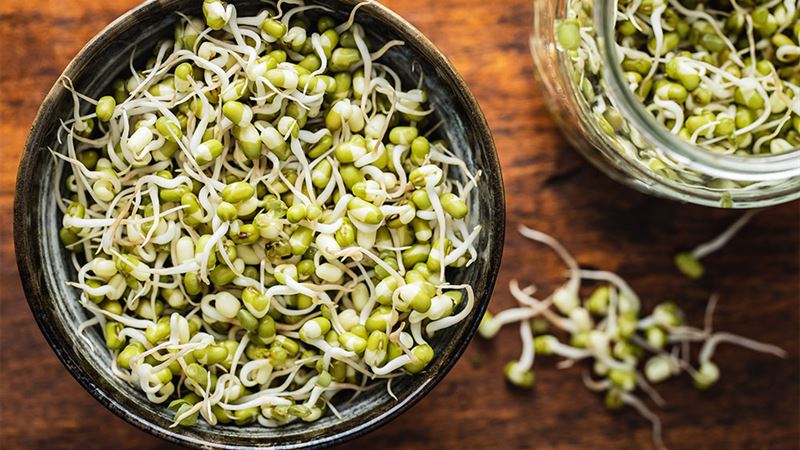
The importance of diet in managing ovarian cancer cannot be overstated. Consuming specific nutrients and foods with anti-inflammatory and antioxidant properties can enhance the body’s natural defenses and potentially slow disease progression. Moreover, understanding the foods that may exacerbate symptoms or interfere with treatment ensures better management of the condition.
Powerful Foods to Incorporate into Your Diet for Ovarian Cancer Support
Ginger
Ginger is celebrated for its potent anti-inflammatory and antioxidant qualities. This root contains numerous phytochemicals that may directly attack cancer cells or inhibit their growth. Regular intake of ginger can help reduce nausea, boost the immune system, and potentially slow the progression of ovarian cancer. Incorporate fresh ginger into teas, smoothies, or meals for optimal benefits.
Carrots and Root Vegetables
Rich in fiber, carrots are a nutritional powerhouse packed with vitamins A, K, and B6. The high beta-carotene content in carrots plays a vital role in protecting cells from oxidative damage caused by toxins and free radicals. This protective effect may inhibit the rapid growth of cancerous cells, making carrots a valuable addition to a cancer-preventive diet. Other root vegetables like sweet potatoes and beets also offer similar benefits and should be included in daily meals.
Leafy Greens and Cruciferous Vegetables
Boost your immune defenses with greens like spinach, kale, and collard greens, along with cruciferous vegetables such as broccoli, cauliflower, and Brussels sprouts. These vegetables contain compounds like sulforaphane and indole-3-carbinol, which have shown potential in cancer prevention and treatment. Incorporate these foods into salads, stir-fries, or smoothies.
Foods and Nutrients to Minimize or Avoid During Ovarian Cancer Treatment
Raw and Uncooked Foods
Consuming raw foods like raw eggs, shellfish, sushi, and uncooked vegetables may pose risks for infection, especially in immunocompromised individuals undergoing cancer treatment. Raw foods can harbor harmful microbes and anti-nutrients that could aggravate symptoms or hinder recovery. All meats, seafood, and produce should be thoroughly cooked to reduce health risks.
Unpasteurized Dairy and Beverages
Unpasteurized cheeses, raw milk, and other dairy products can contain bacteria harmful to those with weakened immune systems. It's safer to choose pasteurized dairy options to avoid potential infections that could complicate treatment or recovery processes.
Red and Processed Meats
Research indicates that high consumption of red meats such as beef, pork, and lamb, along with processed meats like bacon, sausages, and ham, may increase the risk of developing ovarian cancer. These foods are often high in saturated fats, preservatives, and carcinogenic compounds, which can promote inflammation and cellular damage. Reducing intake of red and processed meats is advisable for cancer prevention and overall health.
Advanced Treatment Modalities for Ovarian Cancer
While diet plays a supportive role, medical interventions remain central to effective ovarian cancer management. Recent advancements in immunotherapy and targeted treatments have revolutionized outcomes and hope for many patients.
CAR T-cell Therapy
Chimeric Antigen Receptor (CAR) T-cell therapy is an innovative approach where clinicians extract T cells from a patient’s blood, engineer them to express specific receptors that target cancer cells, and reintroduce them into the patient’s body. This customized therapy enhances the immune system’s ability to recognize and destroy ovarian cancer cells, providing a promising alternative or complement to traditional treatments.
Hormonal Treatment Strategies
Hormone therapy utilizes medications that regulate or inhibit hormonal pathways essential for cancer cell growth. This approach is highly effective, especially for hormone-sensitive ovarian and breast cancers. Agents like aromatase inhibitors or selective estrogen receptor modulators are tailored to diminish tumor proliferation and improve survival rates.
Targeted Drug Therapies: Rubraca
Rubraca (rucaparib) is an FDA-approved oral medication that impedes the repair mechanisms of DNA in cancer cells by blocking specific enzymes. This prevents cancer cells from fixing genetic damage, leading to their death. Rubraca is especially effective when combined with chemotherapy and is a significant breakthrough in personalized ovarian cancer treatment, offering new hope for patients with specific genetic mutations.