
Comprehensive Dietary Guidelines and Treatment Options for Pulmonary Fibrosis Management
This comprehensive guide offers detailed dietary and medical strategies for managing pulmonary fibrosis. It highlights nutrient-rich foods that support lung health, lists foods to avoid that may worsen symptoms, and reviews approved medications like Esbriet® and OFEV® that help slow disease progression. Incorporating these guidelines into daily routines can improve respiratory function and overall well-being for individuals affected by pulmonary fibrosis, providing a holistic approach to treatment and lifestyle adjustments.
Managing pulmonary fibrosis requires a multidimensional approach that includes proper nutrition, lifestyle adjustments, and medical therapies. Understanding the foods that support lung health and those that may exacerbate symptoms is essential for individuals living with this chronic condition. Additionally, advancements in medication have provided new hope for slowing disease progression and improving quality of life. This extensive guide delves into essential dietary recommendations, highlighting nutrient-rich foods that bolster respiratory function, identifying foods to avoid, and summarizing proven medical treatments to effectively manage pulmonary fibrosis.
Prioritizing Nutrient-Dense, Lung-Healthy Foods
Proper nutrition forms the foundation of pulmonary health management. Consuming a diet rich in specific nutrients can aid in reducing inflammation, protecting lung tissue, and enhancing overall respiratory function. These nutrients work synergistically to bolster immune response, reduce oxidative stress, and improve lung elasticity, which can be compromised in pulmonary fibrosis.
High-Quality Lean Proteins
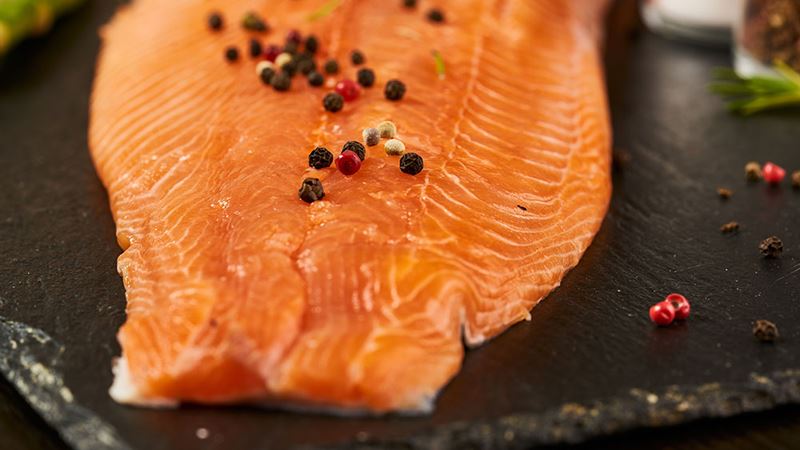
Proteins are crucial for repairing and maintaining muscle tissues, especially those involved in breathing. Choosing lean protein sources helps prevent unnecessary weight gain and supports respiratory muscle strength. Excellent options include skinless chicken breasts, turkey, eggs, and a range of fatty fish such as salmon, mackerel, and sardines, which are also rich in omega-3 fatty acids known for their anti-inflammatory properties. Plant-based proteins like beans, lentils, peas, nuts, seeds, and tofu also play a vital role in a balanced diet, offering fiber, essential nutrients, and antioxidants that benefit lung health.
Colorful Fruits and Vegetables
Incorporating a variety of fresh fruits and vegetables into daily meals offers an abundance of antioxidants, vitamins, minerals, and phytochemicals that work to protect lung tissue from oxidative damage. Berries (such as blueberries, strawberries, and blackberries), kiwi, pineapple, oranges, carrots, spinach, kale, broccoli, and celery are particularly beneficial. Their high fiber content can also aid in digestion, reduce inflammation, and maintain overall well-being, all of which are crucial for managing pulmonary fibrosis symptoms.
Foods to Steer Clear Of
Certain foods can aggravate lung symptoms, trigger inflammation, or cause discomfort, complicating disease management. Individuals are advised to limit or avoid these foods to improve breathing and overall health.
- Fried and Greasy Foods
Foods such as French fries, fried chicken, onion rings, and potato chips contain high levels of unhealthy fats that may cause throat irritation, increase mucus production, and lead to bloating and digestive disturbances. These consequences can make breathing more effortful and uncomfortable. Regular consumption may also contribute to weight gain, further straining respiratory functions. - Cured and Processed Meats
Meats like bacon, hot dogs, ham, salami, and sausages are preserved with nitrates and nitrites to maintain their color and extend shelf life. These preservatives have been found to generate oxidative stress and may damage lung tissue, potentially exacerbating fibrosis. Consulting with healthcare providers about limiting intake of processed meats can be beneficial. - Refined Carbohydrates and Sugary Treats
Highly processed snacks, white bread, pastries, candies, and sweetened beverages can promote inflammation and contribute to weight gain, both of which are detrimental to lung health. Emphasizing whole grains and minimizing sugar intake are recommended.
Medical Treatments for Pulmonary Fibrosis
Beyond dietary modifications, pharmacological therapies play a critical role in managing disease progression and alleviating symptoms. Several medications have been approved that target lung scarring and inflammation, providing patients with real hope for improved quality of life.
Esbriet® (pirfenidone)
Esbriet® is widely prescribed for idiopathic pulmonary fibrosis (IPF). It functions by reducing lung inflammation and the formation of fibrosis or scar tissue. Clinical trials have shown that this medication can slow the progression of fibrosis, helping patients maintain better lung function for longer periods.
OFEV® (nintedanib)
Approved by the U.S. Food and Drug Administration (FDA), OFEV® is another vital treatment option for IPF. This medicine acts by inhibiting specific pathways involved in fibrosis development, thus slowing lung scarring. It is administered orally, typically twice daily, and has been demonstrated to reduce the rate of lung function decline, offering a meaningful benefit for patients coping with pulmonary fibrosis.
In addition to medication, supportive care strategies such as oxygen therapy, pulmonary rehabilitation, and breathing exercises can fortify respiratory health. Regular consultation with healthcare providers remains essential to optimize treatment plans based on individual disease severity and progression.
In conclusion, effective management of pulmonary fibrosis hinges on a holistic approach that includes tailored dietary choices, medical therapies, and lifestyle modifications. Emphasizing anti-inflammatory foods, avoiding irritants, and adhering to prescribed medications can significantly improve quality of life and slow disease advancement.