
Comprehensive Guide for Selecting the Perfect Daybed Cover: Expert Tips and Insights
Discover expert tips for choosing the perfect daybed cover. From fabric choices and thread counts to fit, weave, and design, this comprehensive guide helps you select bedding that combines style, comfort, and durability. Learn how to match your decor and select high-quality materials to create a cozy and elegant space in your home.
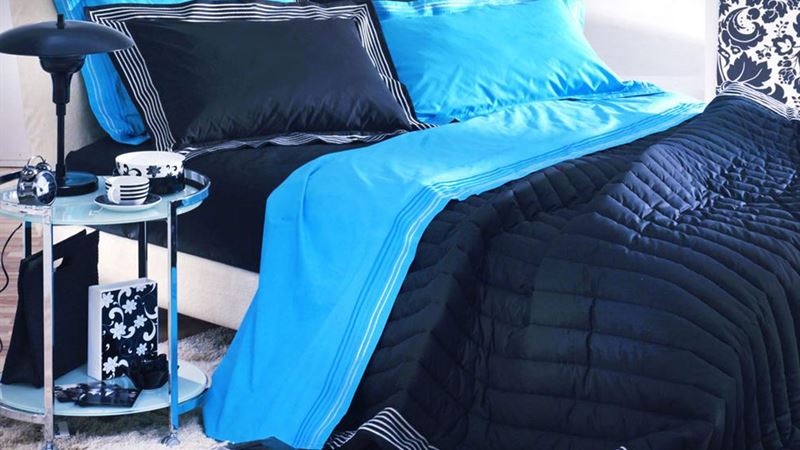
Choosing the right daybed cover is essential for maintaining an elegant aesthetic while ensuring comfort and durability. Whether you're updating your guest room, living area, or creating a cozy corner, selecting the appropriate material, size, and design can significantly enhance your space’s overall appeal. The market offers a wide array of options, from cotton blends to luxurious silks, each with distinct properties and advantages. This comprehensive guide will help you navigate through the crucial factors to consider before making a purchase, including fabric types, thread counts, fitting styles, weave patterns, and design aesthetics.
Understanding Fabric Options
When selecting a daybed cover, the choice of fabric plays a pivotal role in determining the comfort, look, and durability of the bedding. Popular materials encompass a diverse range of options such as cotton blends, pure linens, satins, and silk fabrics. Each material offers different benefits tailored to the needs and preferences of homeowners. Cotton blends are widely favored for their affordability and easy maintenance. Linen charms with its natural texture and breathability, making it ideal for warmer climates. Silks and satins lend a luxurious feel and an elegant appearance, suitable for sophisticated decor themes. Choosing a fabric that aligns with your aesthetic preferences and lifestyle is fundamental to creating a harmonious living space.
When selecting a daybed cover, the choice of fabric plays a pivotal role in determining the comfort, look, and durability of the bedding. Popular materials encompass a diverse range of options such as cotton blends, pure linens, satins, and silk fabrics. Each material offers different benefits tailored to the needs and preferences of homeowners. Cotton blends are widely favored for their affordability and easy maintenance. Linen charms with its natural texture and breathability, making it ideal for warmer climates. Silks and satins lend a luxurious feel and an elegant appearance, suitable for sophisticated decor themes. Choosing a fabric that aligns with your aesthetic preferences and lifestyle is fundamental to creating a harmonious living space.
Key Considerations When Picking Fabric
Material quality influences not only appearance but also how the fabric feels against the skin and how long it will last. High-quality materials tend to be more resilient, resistant to shrinking or pilling, and maintain their appearance over time. It is also important to consider the maintenance and care required for each fabric type. For example, cotton blends are typically machine washable and easy to care for, whereas silk may require dry cleaning. Ensuring that the fabric is suitable for your usage habits and climate can extend the longevity of your daybed cover and keep it looking fresh and inviting for years to come.
Thread Count and Its Impact on Comfort and Durability
One of the most critical factors in selecting bedding is the thread count, which indicates the number of threads woven into one square inch of fabric. A higher thread count usually equates to a smoother, softer surface. Quality sheets generally range from 200 to 500 in thread count, with the latter signifying premium quality bedding. Superior thread counts enhance the fabric's softness, provide a more luxurious feel, and prevent pilling or fraying over time. When shopping for a daybed cover, prioritizing samples with a high thread count, especially in natural fabrics like cotton or linen, can result in a more comfortable and durable product.
One of the most critical factors in selecting bedding is the thread count, which indicates the number of threads woven into one square inch of fabric. A higher thread count usually equates to a smoother, softer surface. Quality sheets generally range from 200 to 500 in thread count, with the latter signifying premium quality bedding. Superior thread counts enhance the fabric's softness, provide a more luxurious feel, and prevent pilling or fraying over time. When shopping for a daybed cover, prioritizing samples with a high thread count, especially in natural fabrics like cotton or linen, can result in a more comfortable and durable product.
Choosing the Proper Fit: Deep-Fitted Covers and Accessories
Fit is an often-overlooked aspect but is crucial for functionality and aesthetics. Deep-fitted covers are explicitly designed to accommodate thicker mattresses that have added padding or toppers. When selecting a cover, ensure it has deep corners or elastic edges that firmly grip the mattress, preventing slippage during use. If your mattress exceeds the standard thickness, consider using suspenders or straps that secure the cover in place. Ensuring a snug fit not only maintains a neat appearance but also simplifies maintenance and prolongs the lifespan of the bedding.
Understanding Weaves and Their Feel
The weave pattern of fabric profoundly influences the texture and visual appeal of your daybed cover. Lightweight, tightly woven fabrics tend to feel crisp and cool to the touch, perfect for warmer climates or those seeking a more structured look. Dense, super-tight weaves such as percale or sateen lend additional softness and a silky smooth surface that feels luxurious against the skin. Sateen fabrics are particularly prized for their lustrous sheen and ultra-soft touch, ideal for creating an elegant look in sophisticated spaces. When selecting a weave, consider how the fabric will feel in daily use and how it complements the room's overall style.
Design & Pattern Considerations
Since the daybed is often a focal point in a room, choosing the right pattern and design for your cover is vital. The pattern should harmonize with the existing decor, including wall colors, furniture styles, and other textiles. Bold patterns or vibrant prints can add personality and a contemporary touch, but it’s essential to balance these with neutral or subdued accents to avoid overwhelming the space. Classic solids or subtle patterns tend to provide versatility, making it easier to change other decor elements over time without clashing. Playful prints, floral motifs, geometric patterns, or even solid colors can each create a distinct atmosphere, so select based on your personal taste and room ambiance.
Since the daybed is often a focal point in a room, choosing the right pattern and design for your cover is vital. The pattern should harmonize with the existing decor, including wall colors, furniture styles, and other textiles. Bold patterns or vibrant prints can add personality and a contemporary touch, but it’s essential to balance these with neutral or subdued accents to avoid overwhelming the space. Classic solids or subtle patterns tend to provide versatility, making it easier to change other decor elements over time without clashing. Playful prints, floral motifs, geometric patterns, or even solid colors can each create a distinct atmosphere, so select based on your personal taste and room ambiance.
Final Tips for Buying the Ideal Daybed Cover
Before making a final purchase, it’s advisable to consider the overall size, fit, and compatibility with your existing bedding and room decor. Always measure your daybed to select a cover that fits perfectly, preventing any bunching or sliding. Look for high-quality fabrics that offer both comfort and longevity, and consider the maintenance involved. Pay attention to details like reinforced seams, secure elastic edges, and appropriate weave types that suit your climate and style preferences. By taking into account these factors, you can ensure that your new daybed cover not only enhances your space aesthetically but also provides a practical and comfortable bedding solution that lasts for years.