
Essential Strategies for Enhancing the Flavor Profile of Your Homemade Soup
Discover comprehensive tips to elevate your homemade soup's flavor with expert techniques. Learn how to master seasoning, incorporate soy sauce, add acidity, and manage water for perfect, delicious results. Transform simple ingredients into culinary delights that impress every time.
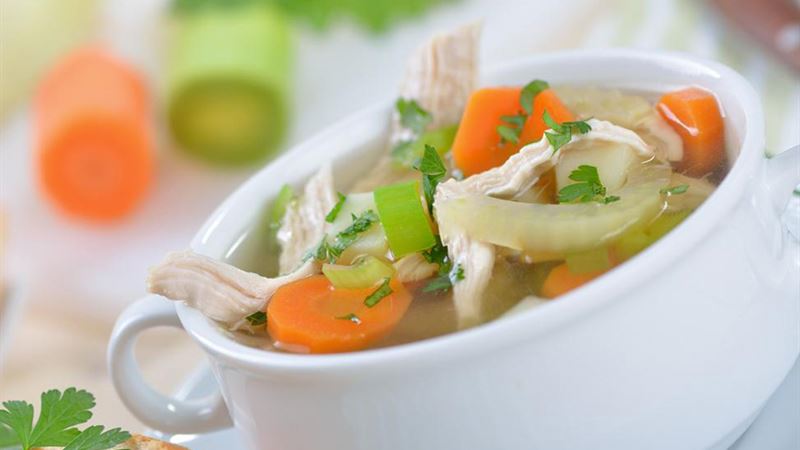
Creating a flavorful and hearty soup involves a combination of fresh ingredients, proper technique, and thoughtful seasoning. The foundation of a great soup lies in choosing the right vegetables like carrots, celery, onions, and garlic. Sautéing these vegetables with butter can unlock deep, rich flavors that form the base of your soup. Additionally, incorporating various seasonings and condiments can elevate the taste to new heights, making each bowl a delightful experience. This comprehensive guide will walk you through proven tips to enhance the taste and texture of your homemade soups, turning simple ingredients into culinary masterpieces.
Incorporating Soy Sauce for Depth
Many cooks overlook soy sauce as just a staple in Asian cuisine, but its versatility makes it an excellent addition to any soup. A splash of soy sauce not only contributes a savory umami flavor but also subtly influences the soup's texture and color. When using soy sauce, moderation is key—adding too much can overwhelm the delicate balance of flavors. A few teaspoons are usually sufficient to deepen the taste profile without overpowering the other ingredients. Experimenting with soy sauce can bring a new dimension to your soup, making it more flavorful and appealing.The Art of Seasoning
Proper seasoning is fundamental in achieving flavorful soup. Salt, pepper, herbs, and spices work together to bring out the natural flavors of the ingredients and add complexity. When preparing a soup with a flavorful stock, you may need less seasoning, as the stock often contributes saltiness and richness. However, if your soup lacks a stock base, you should be cautious with seasoning—adding little by little and tasting frequently before serving ensures a perfect balance. Remember, seasoning can make or break your soup’s deliciousness, so take your time to adjust accordingly.Adding a Touch of Acidity
A subtle splash of acid can brighten and elevate your soup’s flavor profile. Acid essentially acts as a seasoning enhancer, bringing out brightness and contrast in the dish. Lemon juice, vinegar, or even a splash of citrus can turn a dull soup into something vibrant and memorable. If you find your soup lacking depth or richness, adding a small amount of acid can be the solution. Incorporate these last-minute as a finishing touch and taste as you go to avoid overpowering the soup. This simple step can transform your dish from mundane to extraordinary.Managing Water Content for Optimal Flavor
While adding water is sometimes necessary to thin a thick soup or adjust consistency, excess water can dilute flavors and diminish richness. It’s important to pour only what’s needed to achieve the desired texture. If you accidentally add too much water, you can simmer the soup for an extended period to concentrate flavors again, but this process takes time. To avoid diluting your soup, consider reducing other ingredients or simmering uncovered to allow excess moisture to evaporate. Striking the right balance of water and ingredients ensures a robust, flavorful soup every time.