
Comprehensive Guide to Understanding Breast Cancer: Key Facts You Should Know
This extensive guide offers vital facts about breast cancer, emphasizing early detection, the importance of screening, myth-busting, and understanding risks beyond genetics. Learn how to recognize symptoms, utilize mammograms effectively, and dispel common misconceptions to improve awareness and promote proactive health measures.
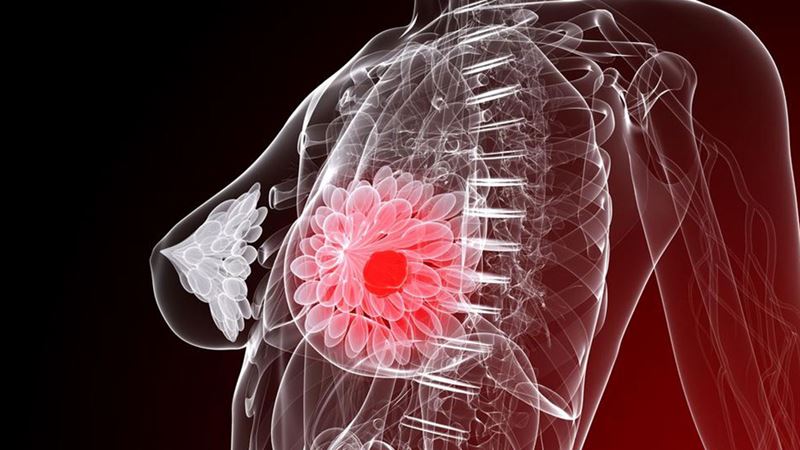
- Breast cancer may present without a noticeable lump: The most prevalent form of breast cancer typically manifests as a palpable tumor, creating a lump in the breast tissue. However, there are cases where the disease develops silently without forming a distinct lump, making early detection more challenging.
- Early detection through vigilance: Conducting regular self-examinations of the breasts is vital. By routinely checking for unusual changes such as lumps, swelling, skin alterations, nipple modifications, or persistent pain, individuals can identify potential warning signs of breast cancer at an early stage. This proactive approach is critical for timely medical consultation.
- Role and limitations of mammographic screening: Mammograms stand as a primary tool for early detection, capable of revealing signs of breast cancer before symptoms appear. Although highly effective, mammograms are not foolproof and may sometimes produce inconclusive results requiring follow-up imaging or tests to confirm findings.
- Genetics and breast cancer: While genetic predisposition can increase the risk, most breast cancer cases are not directly caused by hereditary factors. If there is a family history of breast cancer, consulting a healthcare professional for genetic counseling is advisable before making any health decisions.
-
Dispelling myths surrounding breast cancer is crucial. Understand these facts:
-
- There is no specific age where breast cancer always occurs; it can develop at various life stages.
- Gender is not a determinant; men can also develop breast cancer.
- Absence of family history does not eliminate risk.
- Healthy lifestyle choices like balanced eating and regular exercise do not guarantee immunity from breast cancer.
If you have concerns about breast cancer or belong to a risk group, seeking advice from a healthcare professional is essential for proper screening and guidance.