
Comprehensive Guide to Choosing the Perfect Wheelchair Lift for Your Needs
This comprehensive guide explores key considerations for selecting the ideal wheelchair lift, including types, safety features, installation tips, and maintenance advice. It aims to help users make informed decisions to ensure safe, reliable, and long-lasting mobility solutions suitable for personal or commercial use, enhancing accessibility and comfort while maintaining budget consciousness.
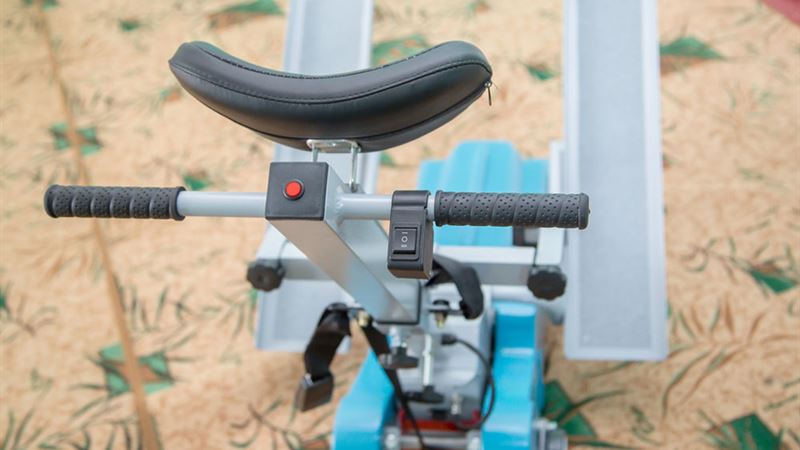
Choosing the ideal wheelchair lift is a crucial decision for ensuring safe and comfortable mobility. With numerous options available, understanding key factors can help you select the lift that best matches your requirements and budget. In this detailed guide, we will explore important considerations, types of wheelchair lifts, safety features, and tips to facilitate an informed purchase that provides long-term benefits. Whether you are adapting a personal vehicle or upgrading a commercial transport system, this comprehensive overview aims to empower you with the knowledge needed to make a confident decision.
Driving the decision-making process begins with understanding the different types of wheelchair lifts. The two primary categories are indoor (or internal) lifts and outdoor (or external) lifts. Each has unique features suited for specific applications, environments, and user preferences. An indoor wheelchair lift is typically installed inside a vehicle or building, providing convenience and protection from weather elements. These are especially suitable for private vehicles, small vans, or transit buses where space is limited but security and ease of access are priorities.
On the other hand, outdoor wheelchair lifts are designed to operate in various weather conditions and are generally mounted externally on larger vehicles or transportation platforms. They are commonly used in public transit systems, shuttle vans, or accessible buses where durability and accessibility are critical. Outdoor lifts are engineered to withstand exposure to rain, snow, wind, and temperature fluctuations, ensuring consistent performance and safety regardless of environmental challenges.
Beyond just choosing between internal and external lifts, it’s vital to consider how the lift operates in relation to your vehicle’s design. For instance, outdoor lifts often require a trailer hitch attachment—a mounting point that allows the lift to be securely fixed to the vehicle’s chassis. The appearance and compatibility of this mounting system play a significant role in the overall safety and functionality of the lift. When selecting a trailer hitch, consider its material quality, ease of installation, and stability under various weather conditions. The hitch must be robust enough to support the lift’s weight and withstand the rigors of daily use and harsh environmental exposure.
Choosing the right trailer hitch is just one part of the puzzle. The installation process, compatibility with your vehicle’s make and model, and ease of usage are equally important. Proper installation ensures the lift operates smoothly, with minimal risk of dislodgment or mechanical failure. It’s advisable to consult with professional technicians experienced in vehicle modifications to guarantee that the lift and hitch are correctly installed and maintained. Regular inspection and maintenance of the hitch and lift components will prolong their lifespan and ensure safety for all users.
When evaluating wheelchair lifts, you encounter models with single-arm and dual-arm configurations. Your choice depends on your specific needs, space constraints, and desired load capacity. Single-arm lifts are compact, occupying less space and providing more room for passenger entry and exit. These are ideal for smaller vehicles or scenarios where interior space is at a premium. They are also easier to operate and maintain, making them suitable for personal use or smaller fleets.
Dual-arm wheelchair lifts, though larger and more complex, offer greater load capacity and stability. They can handle heavier wheelchairs or mobility devices and are often preferred in public transit or commercial applications where durability and safety are paramount. The dual-arm design ensures even weight distribution, reducing stress on individual mechanical parts and enhancing operational safety in various conditions. When selecting between these options, consider your typical passenger load, vehicle size, and safety requirements.
Safety features are a critical component of any wheelchair lift system. A key feature to look for is a safety lift interlock, mandated by the National Highway Traffic Safety Administration (NHTSA). This interlock system prevents the lift from operating under unsafe conditions, such as when the vehicle is moving or the lift is improperly positioned. Safety interlocks help prevent accidents, injuries, and damage to the lift or vehicle, providing peace of mind for users and operators.
Other safety considerations include anti-slip platforms, emergency stop buttons, secure wheelchair restraints, and visual or audible alarms indicating lift status. Ensuring that your lift comes equipped with these safety mechanisms is essential for compliant and secure operation. Regular maintenance and safety checks should be performed to uphold safety standards over time. Proper training for operators can further mitigate risks and ensure smooth, safe operation at all times.
In addition to safety, operational convenience is another crucial aspect. Modern wheelchair lifts often come with user-friendly controls, remote operation capabilities, and automatic leveling systems. These features make it easier for operators to deploy and stow the lift efficiently, reducing strain and potential errors. Consider lifts with intuitive interfaces and ergonomic design to enhance the user experience, especially if multiple operators will be handling the lift regularly.
Cost is an influential factor when choosing a wheelchair lift. While premium models with advanced features and heavier-duty designs might come at a higher price, it’s wise to balance your budget with quality and safety. Investing in a reliable, certified lift can save money in the long run by minimizing maintenance issues, downtime, and safety risks. Obtain quotes from multiple vendors, compare warranties and after-sales support, and ensure that the selected lift meets all regulatory standards.
In summary, selecting the right wheelchair lift involves assessing the type of lift (indoor or outdoor), compatibility with your vehicle, safety features, operational convenience, and budget. Taking these factors into account will help you make an informed purchase that guarantees safe and comfortable mobility assistance for years to come. Whether you need a compact internal lift for personal use or a sturdy external model for a fleet service, thorough research and professional advice will guide you toward the best solution for your specific needs.