
Choosing the Perfect Hearing Aid at Costco: A Complete Guide
Discover how to select the ideal hearing aid at Costco with our comprehensive guide. Learn about various models, their features, and how to choose the right device based on your hearing needs and preferences. From discreet in-the-ear options to powerful behind-the-ear models, get expert tips to improve your hearing experience. Early intervention is key, and Costco offers an affordable, accessible way to enhance your hearing health. Make informed decisions today for a better quality of life and clearer communication.
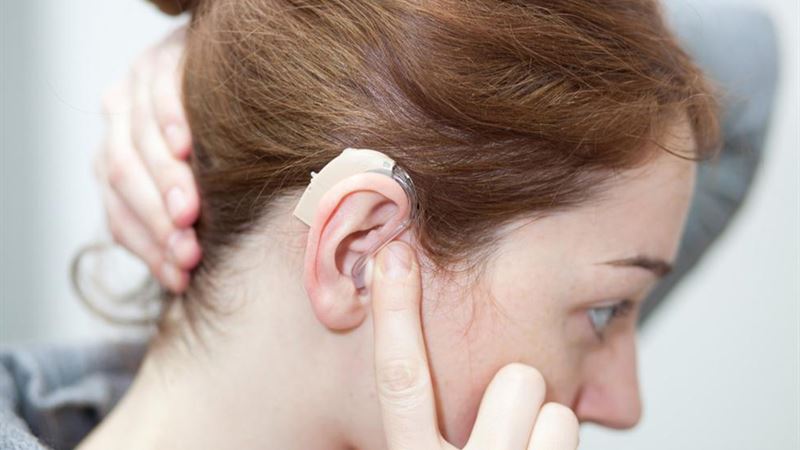
Costco offers two main categories of hearing aids: those designed to be worn inside the ear (in-the-ear) and those worn outside the ear (behind-the-ear or open-fit). Each category encompasses different models tailored for varying degrees of hearing loss and personal preferences.
- In-the-Ear (ITE) Hearing Aids: These devices are custom molded to fit comfortably inside the ear canal or the outer ear, providing discreet options for users.
Inside-the-ear hearing aids are subdivided into two primary types: in-the-canal (ITC) and in-the-ear (ITE) models.
- In-the-Canal (ITC) Hearing Aids: Designed for mild to moderate hearing loss, ITC aids are small and fit completely within the ear canal. Their compact size makes them nearly invisible, offering aesthetic advantages.
- Because of their small size, ITC devices often forgo additional features like volume control or programmability, which means less user customization but a more discreet profile.
These aids are ideal for users who prioritize discretion and have mild to moderate hearing impairment. However, their small size can sometimes make handling and battery replacement more challenging, especially for those with dexterity issues.
- In-the-Ear (ITE) Hearing Aids: Larger than ITC models, ITE devices fill the outer or part of the outer ear’s bowl-shaped area, making them more visible but also more manageable for adjustment and maintenance.
- They are suitable for users with mild to severe hearing loss, providing a broader range of features, including volume control and directional microphones, due to their larger size.
These hearing aids incorporate bigger batteries, resulting in longer battery life compared to ITC models, and often include additional functionalities that enhance user experience.
- Outside-the-Ear Hearing Aids: Worn externally, these devices are further categorized into behind-the-ear (BTE) and open-fit styles, catering to different degrees of hearing loss and personal preferences.
Behind-the-ear (BTE) hearing aids are composed of a main unit resting behind the ear with a thin tube or wire connecting to a receiver placed inside the ear canal. They are versatile and suitable for moderate to profound hearing losses.
- Behind-the-Ear (BTE) Hearing Aids: These devices accommodate high amplification levels, making them suitable for users with significant hearing impairment. The separate receiver and amplifier design allows for powerful sound processing.
- Due to their design, BTE aids can be more visible but often provide superior sound quality and easier handling compared to smaller models.
However, BTE aids may also pick up more background noise, which can be managed with advanced features in some models.
- Open-Fit Hearing Aids: These are a variation of BTE devices that do not completely block the ear canal, making them less visible and more comfortable for some users.
- They amplify high-frequency sounds more selectively, allowing low-frequency sounds to pass through naturally, thereby maintaining a more natural hearing experience.
- Open-fit aids are particularly effective for mild to moderate high-frequency hearing loss and are preferred by users who dislike the sensation of blocked ears or voice distortion.
Early intervention in hearing loss can significantly enhance the adjustment process and improve quality of life. If you experience hearing difficulties, it’s advisable not to delay seeking treatment or advice.
Consulting with an audiologist or hearing specialist can help determine the most suitable device for your needs, lifestyle, and budget. Costco makes it convenient and affordable to access quality hearing aids, ensuring that more individuals can benefit from hearing enhancement technology.