
Essential Features to Consider When Choosing a Wall Oven
Discover essential features to consider when selecting a wall oven, including capacity, heating technology, safety, and smart controls. Making an informed choice ensures a functional, efficient, and safe kitchen upgrade that matches your cooking style and needs. This comprehensive guide helps you understand what to look for in the latest wall oven models, so you can find the perfect appliance for your culinary adventures.
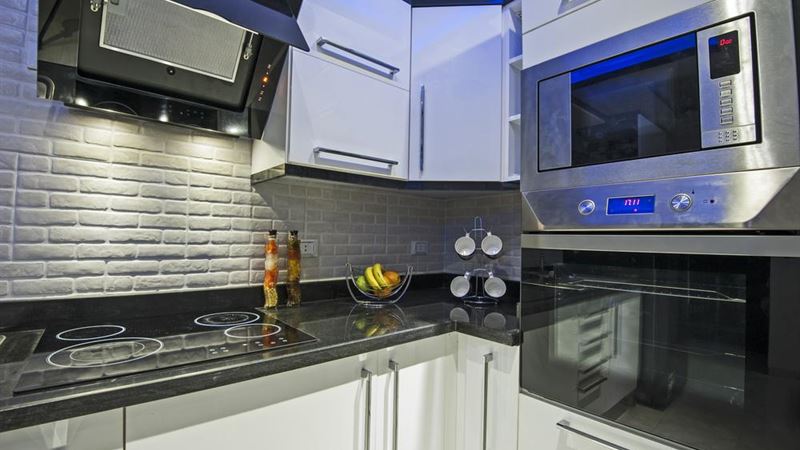
Investing in a wall oven is a significant decision for any homeowner looking to enhance their kitchen's functionality and aesthetic appeal. The market offers a diverse array of wall ovens, each equipped with various features to cater to different cooking needs and preferences. Understanding the key features of wall ovens can help you make an informed choice, ensuring that the appliance you select not only fits your kitchen design but also meets your cooking requirements effectively. In this comprehensive guide, we delve into the most important features to look out for in high-quality wall ovens, covering everything from capacity and heating technology to safety features and smart controls.
Determining Capacity for Your Needs
The capacity of a wall oven significantly influences your cooking flexibility and everyday convenience. Wall ovens are typically available in standard widths such as 24-inch, 27-inch, and 30-inch models, with some premium models offering larger sizes or multiple cooking chambers. The capacity determines how much food you can prepare simultaneously, which is especially important for families or individuals who entertain frequently. Larger capacities allow for cooking multiple dishes at once without cramming ingredients into the oven, thereby saving time and effort. Additionally, certain high-end models feature dedicated compartment sections for specific functions like warming, grilling, or roasting, providing versatile cooking options within a single unit.
Rack Positions and Cookware Compatibility
Beyond capacity, consider the layout of rack positions, as they influence what type and size of cookware can be accommodated. A flexible rack system with multiple adjustable levels enables you to position dishes at various heights, catering to different cooking techniques. Proper rack placement ensures optimal heat circulation and even cooking results. When evaluating wall ovens, check compatibility with your existing cookware—whether you prefer baking sheets, roasting pans, or specialty cookware—to ensure your new appliance will suit your cooking style.
Advanced Heating Technologies
Heating technology is a cornerstone feature that impacts cooking performance and efficiency. Traditional wall ovens use thermal heating elements that provide consistent heat, suitable for many standard baking needs. However, modern models often incorporate convection technology, which uses a fan to circulate hot air evenly throughout the oven cavity. This results in faster cooking times and uniform browning, particularly useful for baked goods and roasted items. Some advanced ovens integrate multiple modes such as convection bake, convection roast, and broil functions, giving you greater control over your cooking outcomes.
Innovative heating features include steam-assisted cooking, which utilizes steam to keep dishes moist or assist in baking bread with crusty exteriors. These steam ovens combine traditional heat with moisture elements, expanding your culinary possibilities. The selection of heating technology should align with your typical cooking patterns—whether you prefer quick high-heat roasting, delicate baking, or multi-functional cooking.
Ease of Cleaning and Maintenance
Post-cooking cleaning is a major consideration for durability and convenience. Many modern wall ovens come equipped with self-cleaning features, which use high-temperature cycles to burn off food residues, reducing manual scrubbing and saving time. Look for models with sealed, removable bottom trays or crumb filters to facilitate easy cleaning. Some units feature steam cleaning modes that use minimal heat and chemical-free processes to loosen grime. These features simplify maintenance, ensuring that your oven remains hygienic and functions optimally over the years.
Smart Cooking Controls and Automation
Today's wall ovens are increasingly smart, offering programmable settings that enable you to start cooking even when you're away from home. With advanced start-control features, you can set your oven to activate at a scheduled time, ensuring meals are ready when you need them. Many models come with digital touchscreens, pre-programmed recipes, and Wi-Fi connectivity, allowing you to control and monitor your oven via smartphone or voice commands. These smart features not only add convenience but also enhance cooking precision and customization, making your culinary experience more enjoyable.
Safety Features for Peace of Mind
Safety is paramount, especially in households with children. Modern wall ovens incorporate safety features such as child lock or safety lockout systems that prevent accidental operation. This safeguard ensures that children cannot open or activate the oven without adult supervision. Additionally, overheating protections, cool-touch exteriors, and automatic shut-off functions help prevent accidents, burns, or fire hazards, providing peace of mind during daily use.
Preheat Indicators for Better Cooking Results
Preheating is a critical step in achieving optimal cooking results, especially for baking and roasting. Some wall ovens incorporate preheat indicators that alert you when the oven has reached the desired temperature, eliminating guesswork and ensuring consistent outcomes. This feature is particularly useful when preparing recipes that require precise oven temperature management, such as delicate baked goods or sous-vide preparations.
Choosing Between Gas and Electric Wall Ovens
The decision between gas and electric wall ovens depends on your cooking preferences, existing kitchen setup, and budget. Gas ovens tend to have fewer controls, offering quick heat adjustments and lower operating costs in some cases. They are often preferred by professional chefs and those who value instant heat response. Conversely, electric ovens are generally more popular due to their uniform heat distribution, energy efficiency, and larger range of available models and sizes. Electric models also tend to feature more advanced functionalities, including self-cleaning and smart technology options.
In conclusion, selecting the right wall oven involves considering your cooking style, space requirements, safety priorities, and technological preferences. By understanding and evaluating these features carefully, you can invest in a high-quality appliance that elevates your culinary experience and enhances your kitchen's efficiency.