
Comprehensive Guide to Factors Influencing Carpet Pricing
Understanding the key factors influencing carpet prices can help homeowners and businesses make informed purchasing decisions. From fiber types to brand reputation, this comprehensive guide explores all elements that affect cost. Learn how size, construction, and additional features impact prices, and get tips for shopping smartly. Whether opting for natural wool or synthetic fibers, or selecting a premium designer rug, knowing these details ensures you find a carpet that balances quality and budget. Make confident choices with this in-depth overview of carpet pricing factors.
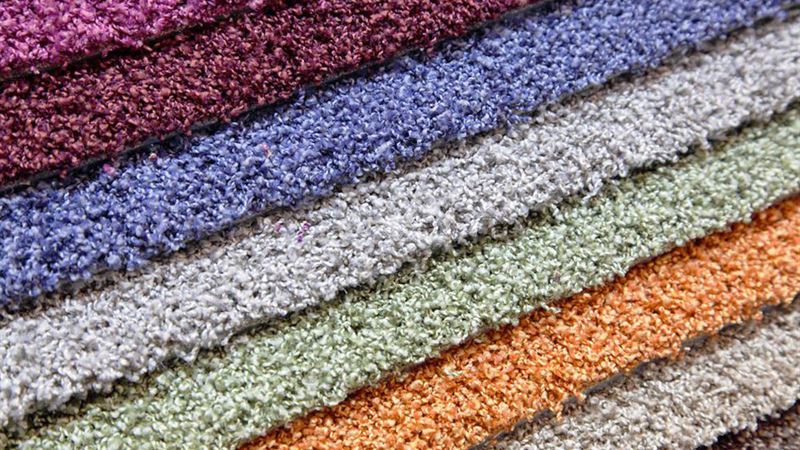
Choosing the right carpet involves understanding various factors that determine its overall cost. Whether you're renovating a residential space or outfitting a commercial area, grasping what impacts carpet prices can help you make better purchasing decisions. From the fiber material to brand reputation, multiple elements contribute to the final price. This comprehensive guide explores all these critical aspects, offering insights into how different features can influence both budget and quality. Educate yourself on these factors to ensure you select a durable, aesthetically pleasing, and cost-effective carpet suited to your needs.
Understanding Fiber Types and Their Impact on Cost
One of the primary determinants of a carpet’s price is the fiber material used in its manufacturing. Carpets are produced from both natural and synthetic fibers, each with distinctive features that influence costs. Natural fibers include wool, cotton, silk, and jute, renowned for their softness, durability, and aesthetic appeal. Wool, for example, is considered a premium fiber due to its natural insulating properties, resilience, and luxurious feel, but it tends to be more expensive because of limited raw material availability. Cotton carpets are versatile and soft but are generally mid-priced due to the abundance of raw cotton.
Synthetic fibers, on the other hand, are artificially manufactured from chemical compounds. Popular synthetic options include nylon, polyester, olefin (polypropylene), and triexta. These materials are produced on a large scale, which reduces costs significantly, making synthetic carpets a popular choice for many homeowners and commercial entities. Among synthetics, nylon is considered high-quality, offering excellent durability and stain resistance, but it also comes at a higher price point. Polyester and olefin are more affordable options, with olefin being especially resistant to moisture and fading, making it suitable for outdoor or high-traffic areas. Triexta, a newer synthetic fiber, combines softness with resilience and is gaining popularity.
The cost differences between natural and synthetic fibers are evident, with natural options like wool being more expensive, sometimes costing double or triple that of synthetic alternatives. This price disparity is due to raw material scarcity, extraction processes, and manufacturing complexity. When selecting a carpet based on fiber type, consider the location, usage, and desired lifespan to balance cost and quality effectively.
Size and Dimensions of the Carpet
It may seem straightforward, but the dimensions of a carpet significantly influence its cost. Larger carpets require more raw materials and labor to produce and install, leading to higher prices. For residential projects, standard sizes such as 8x10 feet or 9x12 feet are common, but custom sizes can considerably increase costs due to tailored manufacturing and special handling. When planning for a space, always measure carefully and consider the total area needed to avoid unnecessary expenses.
However, certain designer or luxury carpets challenge this norm. Small-sized carpets from high-end brands or artistic collections might carry premiums that surpass larger conventional options. For example, a small designer rug made from rare fibers or intricately woven with special techniques might cost more than a basic large-area carpet. Keep this in mind when comparing prices—size isn't the only determinant of value.
Brand Reputation and Its Effect on Pricing
The brand behind a carpet heavily influences its price. Recognized brands with established reputations for quality, durability, and design tend to command higher prices. Mid-range brands such as Shaw, Mohawk, and Karastan offer a balance between affordability and quality, with prices typically ranging from $2.60 to $10 per square foot. These brands are known for their reliable manufacturing standards and a wide variety of styles suitable for different settings.
Premium brands like Fabrica, Masland, and Stanton provide luxury options characterized by innovative designs, superior craftsmanship, and often eco-friendly materials. Prices for these high-end brands can soar from $5 to $25 or more per square foot. The premium pricing reflects investments in quality control, exclusive designs, and sometimes handcrafted techniques that appeal to upscale customers.
When shopping for carpets, always research brand credibility, customer reviews, and warranty offerings. A reputable brand can ensure longevity and satisfaction, justifying higher costs through quality assurance and after-sales support.
Additional Cost Factors to Keep in Mind
Beyond fiber type, size, and brand, several other factors can influence the overall price of your carpet purchase. These include the carpet’s face weight, pile height, density, construction method, and any additional features like stain resistance or waterproofing.
**Face weight** refers to the weight of fibers per unit area, usually measured in ounces per square yard. Higher face weight generally translates to thicker, more plush carpets, which tend to be more expensive. **Pile height** influences the carpet’s texture and feel; higher piles create a softer, more luxurious surface but come with increased manufacturing costs and maintenance requirements.
**Construction technique** is also a significant factor. Cut pile carpets, loop pile carpets, and those with cut and loop patterns offer different aesthetics and durability levels, impacting pricing. Custom and designer designs that require intricate weaving or specialized techniques can add substantially to costs.
Apart from production costs, installation charges can also vary. Some carpets, such as plush or shag rugs, may require more careful handling and precise installation, leading to higher labor costs. Additional features, like stain resistance, anti-static finishes, or eco-friendly materials, may impose extra charges but offer enhanced longevity and maintenance savings.
Shopping Tips for Cost-Effective Carpet Purchases
To make the most of your investment, always compare prices across different brands and suppliers. Look for discounts, seasonal sales, or bundle deals that include padding, installation, and cleaning supplies. Many retailers offer promotional prices on last season’s models or discontinued lines, which can provide high-quality options at substantially reduced prices.
Ask about warranties and after-sales support to ensure your carpet remains in good condition for years to come. Also, consider sampling different materials and textures to find the best match for your space’s style and function. Doing thorough research and shopping smartly can help you secure a durable, attractive, and affordable carpet tailored precisely to your needs.