
Comprehensive Analysis of Factors Influencing Gold Price Fluctuations
Discover the diverse factors impacting gold prices, from interest rates and currency movements to supply-demand dynamics and inflation. This comprehensive guide helps investors understand market influences, enabling better decision-making in gold investment. Learn how economic policies, global supply, and geopolitical events shape the precious metal's value and how to navigate its fluctuating market effectively.
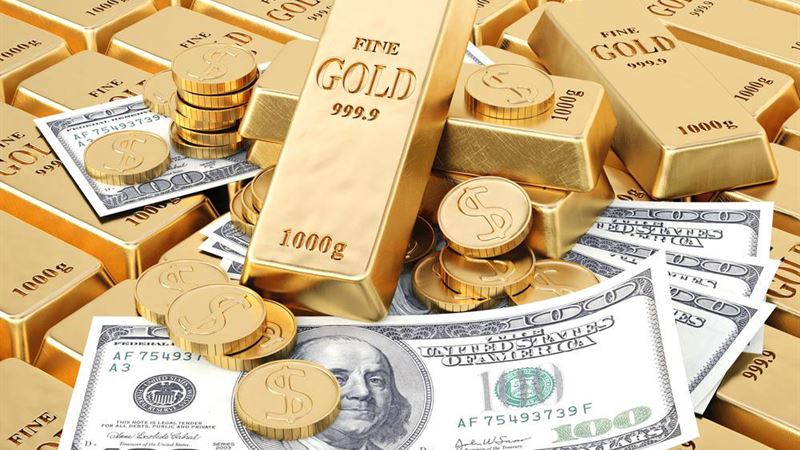
Gold prices are significantly affected by a multitude of economic and geopolitical factors that influence investors' perceptions and behaviors in the market. One of the primary influences is monetary policy; decisions made by central banks, particularly the Federal Reserve, can lead to substantial shifts in gold pricing. Adjustments in interest rates are especially impactful because they alter the opportunity costs associated with holding non-yielding assets like gold. When interest rates rise, investors might favor higher-yielding investments over gold, causing its price to decrease. Conversely, lower interest rates often lead to increased demand for gold as a safe haven, pushing its price upward.
Supply and Demand Dynamics: Economics fundamentals are at play in the gold market, where the balance between supply and demand directly influences prices. An increase in demand amidst limited global supply tends to drive prices higher. This scenario can occur during times of economic uncertainty or geopolitical tensions, as investors seek the safety of gold. On the flip side, when there is an oversupply of gold in the market, prices typically decline. Factors influencing supply include gold mining outputs, recycling activities, and central bank holdings. Market sentiment also plays a role, often causing fluctuations beyond pure supply-demand mechanics.
Inflation and Gold Pricing: Gold is often viewed as a hedge against inflation. When inflation rates climb, the real value of currency declines, encouraging investors to purchase gold as a safeguard. As inflation accelerates, gold prices tend to rise, reflecting its status as a store of value. Conversely, when inflation is subdued, gold does not retain its appeal as a safe haven, leading to potential price drops.
Currency Exchange Rate Movements: The strength or weakness of major currencies, particularly the US dollar, has a pronounced impact on gold prices. Since gold is globally priced in dollars, a depreciation of the US dollar makes gold cheaper for holders of other currencies, thus boosting demand and prices. Conversely, a strong US dollar tends to suppress gold prices, because it makes gold more expensive in other currencies and can reduce demand. Exchange rate fluctuations often reflect broader economic conditions and can be driven by factors like monetary policy, trade balances, and geopolitical stability.
Gold remains a highly sought-after commodity worldwide, serving both as an investment vehicle and a store of value. Investors buy when prices are low and sell when prices trend upward, attempting to capitalize on market movements. Additionally, gold coins—especially collectible or numismatic coins—are popular among enthusiasts, though investing in coins requires specialized knowledge regarding grading and authenticity. Given the multitude of factors influencing gold prices, it is crucial for investors to conduct thorough research and stay informed about market trends. No single factor solely drives gold price fluctuations; instead, a complex interplay of economic indicators, geopolitical events, and investor sentiment shapes the market. Therefore, understanding these dynamics empowers investors to make more informed decisions when buying or selling gold, whether in the form of bars, coins, or jewelry.