
Understanding Factors That Influence the Success and Price of Ice Cream Brands
Explore the key elements that influence the popularity and pricing of ice cream brands. Understand ingredient quality, manufacturing practices, and flavor innovation that set top brands apart. Learn about premium ingredients, diverse ice cream types, and how branding impacts costs. This comprehensive guide helps consumers appreciate the artistry behind their favorite frozen treats, highlighting what makes certain brands stand out in a competitive market. Whether you're a lover of classic flavors or seeking exotic indulgences, discover what drives the success of leading ice cream brands worldwide.
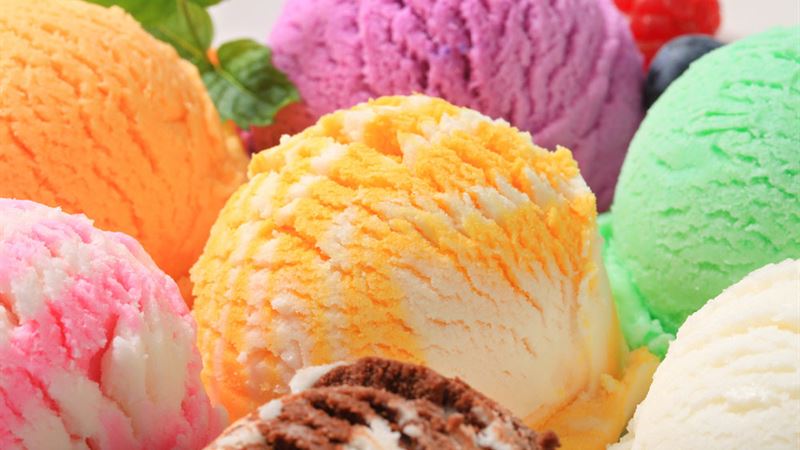
Ice cream remains one of the most beloved desserts worldwide, appealing to a broad spectrum of consumers across various age groups and tastes. Despite the vast number of choices available, only a select few brands dominate the market due to their exceptional quality, innovative flavors, and strategic branding. These leading brands distinguish themselves by mastering the science of ice cream production, sourcing high-quality ingredients, and offering a compelling mix of flavors and options to attract diverse customer preferences.
When selecting a premium ice cream brand, consumers often look beyond just flavor. They seek unique, high-quality, and well-crafted frozen treats that deliver memorable taste experiences. Successful brands focus on creating distinctive recipes, experimenting with ingredient combinations, and consistently offering new flavors to maintain consumer interest. Many innovative companies introduce monthly flavor specials, limited-edition collections, or quirky, unexpected flavors that set them apart from competitors. These marketing strategies help foster loyalty and encourage repeat purchases.
Ingredient quality is fundamental in determining both the popularity and price of ice cream. Reputable brands go to great lengths to source natural, high-quality ingredients, avoiding unnecessary additives or artificial preservatives. This attention to detail guarantees that the final product not only tastes better but also maintains a smooth, creamy texture with minimal ice crystals, making it suitable for serving at home, parties, or special occasions. Consumers today increasingly value transparency, and brands that highlight their ingredient sourcing and manufacturing practices often enjoy enhanced reputation and trust.
Economic Factors Influencing Ice Cream Pricing
The cost of ice cream varies depending on multiple factors, including flavor complexity, ingredient quality, brand positioning, and packaging size. On average, a pint or a standard scoop of ice cream costs between $5 and $10. However, this range can fluctuate based on the type of flavor—premium or exotic ingredients naturally increase the price. For instance, classic flavors like vanilla or strawberry often come at a lower cost, whereas gourmet options infused with rare spices or organic ingredients command higher prices. Additionally, larger servings such as a 3-gallon tub from a specialty parlor may cost upwards of $35 or more, depending on the location and brand reputation.
Some ultra-premium brands create highly exclusive flavors with ingredients like rare truffles or saffron, leading to tubs that can cost over $7,000. These luxury offerings often target connoisseurs or collectors, emphasizing exclusivity, craftsmanship, and rare ingredient sourcing. The pricing strategies of these brands rely heavily on their prestige, uniqueness, and limited availability, demonstrating how artful branding and high-quality ingredients can justify a premium price point.
Core Ingredients That Define High-Quality Ice Cream
The foundation of any great ice cream lies in its ingredients. Many brands dedicate years to perfecting their recipes, sourcing the finest ingredients, and balancing flavor and texture. While formulations can differ, most high-end brands include essential components that lend the dessert its characteristic richness and creaminess.
- Dairy Components: For an ice cream to meet legal standards in many countries, it must contain at least 10% milk fat. Leading brands often incorporate a mixture of milk, cream, and sometimes powdered or dry milk to achieve this requirement, ensuring a smooth and rich mouthfeel. Some opt for organic or locally sourced dairy to enhance flavor and appeal to health-conscious consumers.
- Proteins from Milk: Milk proteins play a crucial role in stabilizing the mixture, creating a smooth texture, and forming the small air bubbles that help give ice cream its light, fluffy consistency. These proteins may also impart subtle flavors and improve the overall mouthfeel of the product.
- Sugar: Sugar is an integral ingredient for sweetness but also acts as a natural antifreeze, controlling the size of ice crystals during freezing. The right amount of sugar contributes to a balanced flavor and helps preserve the ice cream's consistency during storage and repeated freezing cycles.
- Fats: Fats contribute to a creamier texture, richer taste, and help stabilize the mixture. They also enhance flavor perception and mouthfeel, making ice cream more indulgent.
- Stabilizers and Emulsifiers: These additives prevent unwanted ice crystal formation, improve structural stability, and give the ice cream a consistent, smooth texture. Many brands use natural stabilizers like guar gum or carrageenan, while others opt for synthetic emulsifiers to achieve specific texture goals.
Varieties and Special Types of Ice Cream
Different brands often focus on specific niches within the ice cream industry, offering a wide array of options tailored to various dietary preferences and cultural tastes. Consumers can choose from traditional, healthy, or even innovative alternatives based on their lifestyle or flavor preferences.
- Vegan and Dairy-Free Options: For those avoiding animal products, vegan ice creams made from plant-based ingredients like coconut, almond, cashew, or soy milk have gained enormous popularity. These products strive to emulate traditional creaminess and flavor without dairy, catering to vegetarians, vegans, and those with lactose intolerance.
- Kulfi: This traditional Indian frozen dessert involves slowly simmering sweetened milk until it caramelizes and thickens. Often flavored with rosewater, saffron, pistachios, or cardamom, kulfi offers a rich, aromatic taste experience rooted in cultural heritage.
- Philadelphia-Style Ice Cream: Characterized by the absence of eggs, this style of ice cream is lighter and easier to produce. Its smooth, creamy texture makes it a favorite for those seeking a less dense dessert option.
- Ice Pops and Frozen Treats: These include flavored ice sticks, fruit bars, and slushies, which are perfect for hot summer days. They often contain water, sweeteners, stabilizers, and flavoring agents designed to provide refreshing, satisfying cold treats.
- Mochi Ice Cream: Originating from Japan, mochi ice cream is a delightful blend of creamy ice cream wrapped inside a sweet, chewy rice dough. Its unique texture and portability make it a popular snack worldwide, especially for those seeking a fusion of flavors and textures.
By understanding these factors—from ingredient selection and manufacturing practices to flavor innovation—consumers can make informed choices and appreciate the intricate craftsmanship behind their favorite frozen desserts. With continuous innovation and a focus on quality, the ice cream industry remains vibrant and ever-evolving, delighting taste buds globally.