
Comprehensive Guide to Mobile Home Relocation Costs and Influencing Factors
Explore the comprehensive factors influencing the cost of relocating a mobile home. Understand how size, distance, permits, and weight impact expenses. Gain insights into preparation steps, cost-saving tips, and tips for a successful move. This detailed guide is essential for mobile homeowners planning their relocation, ensuring a smooth and budgeted transition for your home to its new location.
Understanding the Expenses and Key Elements Influencing Mobile Home Moving Costs
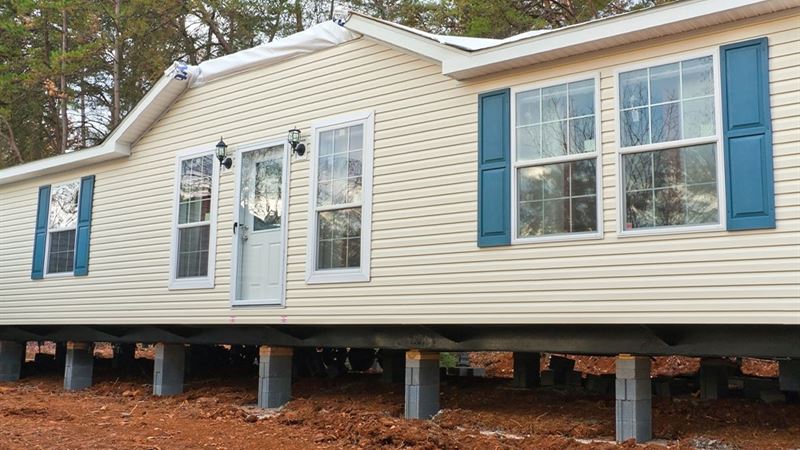
- Disconnection and cancellation of utilities in advance, including arranging licensed electricians and plumbers to disconnect and cap services.
- Securing personal belongings and furniture, including packing fragile items carefully to prevent damage.
- Removing and storing skirting panels safely for transport.
- Protecting windows and glass elements with padding or coverings to prevent shattering.
- Detaching additions such as decks, sheds, and air conditioning units.
- Lifting the home onto a preparatory support, installing axles and a hitch.
Key Factors That Impact the Cost of Mobile Home Moving
The total expense of relocating a mobile home is heavily influenced by several critical factors. These elements can significantly change the overall price, so understanding them beforehand helps in planning and budgeting effectively.
Size and Dimensions of the Mobile Home
The size of your mobile home is one of the primary determinants of moving costs. Smaller, single-wide homes are less expensive to move than larger, double or triple-wide units. Mobile homes with greater width and length require more specialized equipment, larger transport vehicles, and often additional permits. For instance, bigger homes may need police escorts or temporary road closures, which further adds to the cost.
Travel Distance
The distance between the origin and the destination plays a crucial role in determining the overall cost. Shorter local moves are less costly since they involve less fuel, time, and wear on equipment. Conversely, long-distance moves, including interstate transfers, significantly increase expenses due to fuel consumption, truck operation costs, and driver wages. Extra measures such as longer travel times, navigating challenging road conditions, or driving through populated areas can also inflate costs.
Permits and Inspection Requirements
Crossing jurisdictional boundaries involves obtaining various permits and complying with local regulations. Your moving company usually assists in securing these permits, but costs vary depending on the regions involved. Some states, like Florida, mandate inspections for older mobile homes to ensure safety and compliance before transferring. These inspections could incur additional charges and are necessary to avoid legal issues during the move.
Weight of the Mobile Home
The weight of your mobile home critically affects the move because heavier units require stronger equipment, specialized trucks, and sometimes multiple transporters. Older mobile homes tend to weigh around 35–40 pounds per square foot, while newer ones can weigh 45–50 pounds per square foot. For example, an 800-square-foot home might weigh close to 40,000 pounds, requiring reinforced axles, additional tow equipment, and potentially more personnel — all contributing to higher costs.
Other Influencing Factors
- Site Accessibility: If your mobile home is located in a challenging or restricted area, extra equipment or planning may be necessary, increasing costs.
- Preparation and Setup Needs: The extent of disassembly, foundation preparation, and setup at the new site can add to expenses.
- Additional Services: Including debris removal, upgrading utilities, or custom modifications can also influence total costs.
In conclusion, mobile home moving costs are variable and depend on multiple factors. A thorough assessment of your mobile home’s size, weight, current location, and destination, along with legal requirements, will help you estimate expenses accurately. Working with experienced professionals ensures a smoother process and helps avoid unexpected expenses during your relocation journey.