
Comprehensive Guide to the Nutrisystem Diet: Everything You Need to Know
Discover everything about the Nutrisystem diet, from meal options and dietary guidelines to support systems and suitability for different groups. This extensive guide helps you understand how Nutrisystem promotes balanced eating and sustainable weight loss, ensuring you can make an informed choice about incorporating this plan into your health journey.
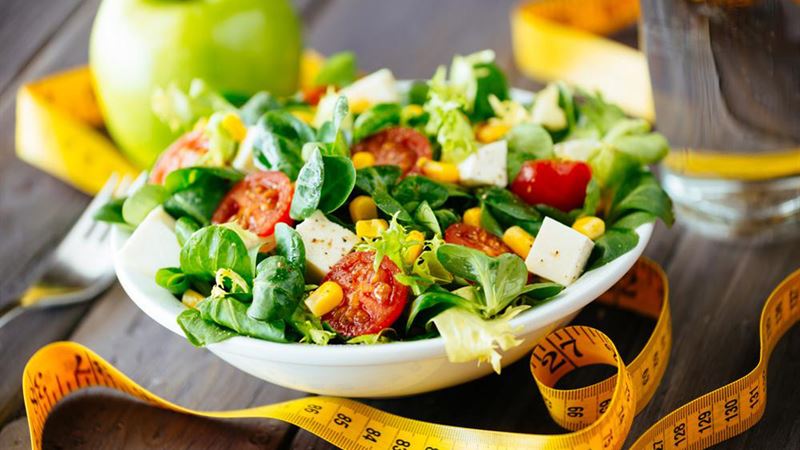
The Nutrisystem diet has gained popularity as an effective weight management program designed to promote healthy eating habits and sustainable weight loss. This in-depth guide covers all aspects of the Nutrisystem plan, including its structure, dietary components, suitability for various groups, support systems, and benefits. Whether you are considering starting this diet or simply want to understand its nuances, this comprehensive overview will provide valuable insights to help you make informed decisions.
The Nutrisystem diet emphasizes balanced nutrition, portion control, and the inclusion of wholesome foods. The program features a wide variety of meals, snacks, and desserts, such as cookies, cakes, and brownies, all carefully designed to satisfy cravings while maintaining a calorie-restricted intake. Alongside the provided meals, the diet encourages incorporating fresh fruits, vegetables, lean meats, and nuts to ensure a well-rounded nutritional profile.
One of the core principles of Nutrisystem is controlling carbohydrate intake by focusing on healthy carbs and limiting high glycemic index foods. This approach helps stabilize blood sugar levels and supports overall metabolic health. The program sets a daily calorie limit tailored to promote a slow, steady weight loss of about one to two pounds per week, making it a sustainable plan for many individuals.
Participants have two main options: procuring a 28-day supply of pre-selected meals curated by Nutrisystem or customizing their food choices by selecting individual items. The pre-packaged option offers convenience and saves time, while customizing allows greater flexibility in choosing foods that suit personal taste preferences and dietary restrictions.
It's important to recognize who should avoid this diet. Nutrisystem is not suitable for pregnant women, individuals with chronic illnesses, children under 14, or those with specific allergies. Additionally, it may not be compatible with strict gluten-free or vegan lifestyles. However, it does cater to vegetarians and individuals with type 2 diabetes, offering specialized plans for these groups.
Support structures are integral to the success of the Nutrisystem program. The company provides access to an active online community where members can share experiences, seek advice, and stay motivated. Customers can also receive personalized assistance via phone consultations with nutritionists and dietitians, ensuring guidance tailored to individual needs.
Specific plans are designed to address the unique requirements of different demographics. There are dedicated programs for men and women, as well as for those managing type 2 diabetes or prediabetes. These plans aim not only to facilitate weight loss but also to help regulate blood sugar levels, contributing to improved overall health.
Special considerations are made for breastfeeding mothers. If the child is at least four months old and being introduced to solid foods, mothers can safely follow the Nutrisystem plan. It’s recommended that breastfeeding women take prenatal vitamins to support their nutritional needs and consume extra calories compared to non-lactating women. Prior consultation with healthcare professionals or nutrition experts is advised to develop a personalized plan that ensures both maternal and infant health.
A notable aspect of Nutrisystem is its commitment to natural eating practices. The foods provided do not contain appetite suppressants, stimulants, or artificial ingredients designed to artificially curb hunger. Instead, the emphasis is on wholesome, nutrient-dense foods that promote genuine satiety and long-term healthy habits.