
Comprehensive Guide to Tetanus Infection: Causes, Symptoms, Prevention, and Treatment
This comprehensive guide covers all aspects of tetanus infection, including causes, symptoms, prevention, and treatment. Learn how the bacteria infect the nervous system, recognize warning signs, and understand the importance of vaccination. Early intervention can save lives, so stay informed and protect yourself from this preventable disease. Whether you're health-conscious or working in high-risk environments, this article offers vital insights to keep you safe from tetanus.
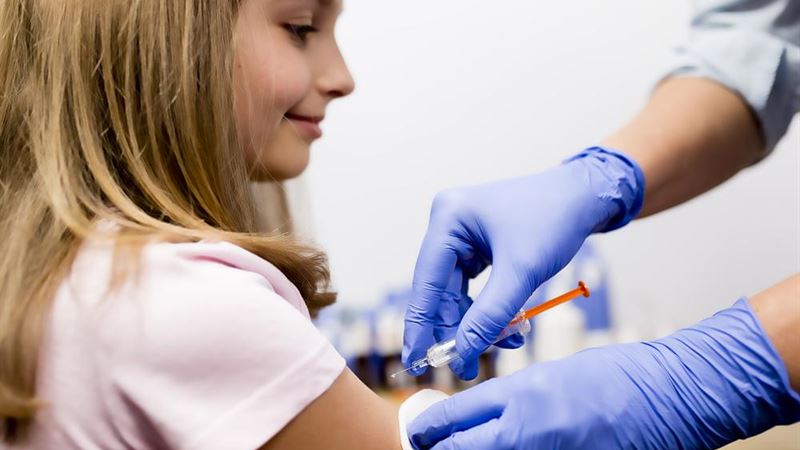
Tetanus is a serious bacterial disease caused by Clostridium tetani, a pathogen capable of producing potent toxin that affects the nervous system. Once the bacteria enter the body through a wound or cut, they produce a toxin called tetanospasmin that causes muscle stiffness and spasms. Understanding the transmission, symptoms, prevention, and treatment options is crucial in managing this potentially fatal condition.
Understanding Tetanus: What is It?
Tetanus is an acute, potentially life-threatening infectious disease caused by the bacterium Clostridium tetani. This anaerobic bacteria thrive in environments with low oxygen levels, such as soil, dust, and manure. When contaminated objects or soil enter a wound, the bacteria can establish an infection, especially in deep or puncture wounds. The bacteria produce a dangerous neurotoxin that affects the nervous system, leading to the characteristic symptoms of tetanus.
How Does Tetanus Spread?
The transmission of tetanus does not occur from person to person. Instead, it occurs through the contamination of wounds with spores of the bacteria present in the environment. Puncture wounds, cuts, burns, or any trauma that breaches the skin integrity are common entry points. It is important to maintain proper wound hygiene and seek medical attention if injuries are contaminated or deep.
Pathophysiology of Tetanus
Once inside the body, the bacterial spores germinate in anaerobic conditions, producing a neurotoxin called tetanospasmin. This toxin binds irreversibly to nerve endings and ascends the peripheral nerves to reach the central nervous system. The toxin then interferes with neurotransmitter release, leading to sustained muscle contractions and spasms. This process results in hallmark symptoms such as muscle rigidity and spasms, particularly in the jaw and neck.
Recognizing Tetanus Symptoms: Signs and Indicators
- Muscle stiffness, especially around the jaw (lockjaw)
- Spasms and rigidity in facial muscles, leading to a fixed, grimace-like expression
- Severe neck and abdominal muscle stiffness
- Difficulty swallowing and speaking
- Persistent headache and body aches
- Symptoms of autonomic nervous system involvement such as excessive sweating, fever, high blood pressure, and rapid heartbeat
Typically, symptoms appear within 3 to 21 days after infection, with an average onset of about 8 days. The progression can be rapid, and if untreated, the disease can lead to respiratory failure or death.
Complications and Risks of Untreated Tetanus
Untreated tetanus can result in severe complications, including respiratory muscle paralysis, leading to suffocation. Other risks include fractures caused by intense spasms or seizures, and even death. Early recognition and prompt medical intervention are imperative to prevent these outcomes.
Preventing Tetanus: Vaccination and Other Measures
Prevention is the cornerstone in managing tetanus infection. The most effective method is through vaccination, which provides long-term immunity. Individuals should ensure they're up to date with tetanus vaccines, especially after injuries or wounds that could cause exposure.
Vaccination Schedule and Recommendations
- Primary vaccination involves a series of three doses of tetanus vaccine during childhood, often combined with diphtheria and pertussis (whooping cough) vaccines, such as Tdap.
- A booster dose of the tetanus vaccine (Td) is recommended every 10 years for continued protection.
- If a person sustains a contaminated wound and hasn't had a booster in the past decade, booster doses are advised to prevent infection.
Who Should Receive the Tetanus Vaccine?
- Individuals who haven't been vaccinated during childhood or haven't received a complete series of the vaccine.
- People who have recently recovered from tetanus infection (though vaccination is still recommended).
- Those at risk due to occupational exposure, such as farmers, gardeners, or construction workers.
Contraindications and Precautions for Tetanus Vaccination
- Severe allergic reactions to previous doses or components of the vaccine.
- History of seizures or neurological disorders like Guillain-Barre syndrome within specific time frames after vaccination.
- People with known allergies to vaccine ingredients should avoid vaccination or consult a healthcare provider.
Pregnant women are generally advised to receive the vaccine, particularly to prevent neonatal tetanus, which can be fatal in newborns.
Potential Side Effects and Risks of Vaccination
Mild side effects are common and may include soreness, redness at the injection site, mild fever, or fatigue. Serious allergic reactions are exceedingly rare but can occur. Symptoms may include skin rash, swelling, difficulty breathing, dizziness, or chest tightness. Immediate medical attention is essential if any severe reactions are observed.
Managing and Responding to Adverse Reactions
If someone exhibits signs of a severe allergic response or other serious symptoms post-vaccination, urgent medical care is necessary. Healthcare providers can administer emergency treatments such as antihistamines, epinephrine, or supportive care depending on the situation.
Final Thoughts: Staying Safe from Tetanus
Tetanus remains a significant health threat worldwide, especially in regions with limited access to vaccines and healthcare. Proper wound care, timely vaccination, and awareness of symptoms are crucial strategies to prevent and control the disease. If you suspect tetanus infection or have concerns about vaccination, consult your healthcare professional for personalized advice and treatment options.