
Comprehensive Guide to Understanding and Managing Leg Cramps
This comprehensive article explores the causes, risk factors, and natural remedies for leg cramps. By understanding mineral deficiencies, hydration importance, and lifestyle influences, readers can adopt effective prevention techniques. It emphasizes dietary supplements like calcium, magnesium, and potassium, along with practical tips such as stretching, massage, and proper hydration. The guide aims to help individuals manage and prevent leg cramps in daily life, ensuring improved muscle health and comfort. Ideal for those seeking holistic approaches to leg cramp relief and prevention.
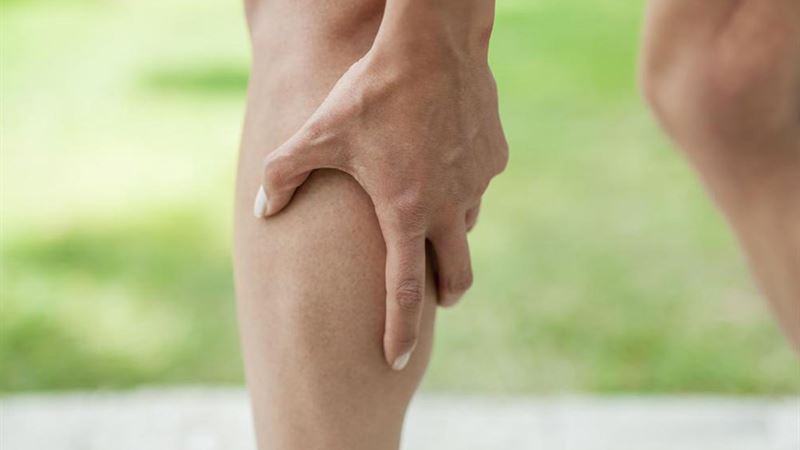
Leg cramps are sudden, involuntary contractions of the muscles in your legs, often leading to discomfort and temporary pain. While commonly experienced during sleep or after physical activity, they can sometimes indicate underlying health issues. Understanding the causes, risk factors, and effective prevention methods is essential for managing this common problem. From mineral deficiencies to lifestyle factors, numerous elements contribute to leg cramps. This comprehensive article explores the various causes, natural remedies, dietary supplements, and practical tips to help you prevent and alleviate leg cramps effectively.
- Understanding the Causes of Leg Cramps
- Risk Factors that Increase the Likelihood of Leg Cramps
- Natural Remedies and Lifestyle Adjustments
- Effective Dietary Supplements for Prevention
- Practical Tips for Immediate Relief
Leg cramps are a common issue faced across all age groups, but certain factors can make some individuals more susceptible. Recognizing these causes and risk factors enables you to adopt preventative strategies, incorporate beneficial lifestyle changes, and utilize effective remedies to reduce the frequency and severity of cramps.
Understanding the Causes of Leg Cramps
Leg cramps are involuntary muscle contractions that often strike without warning. Several causes contribute to the development of these cramps, including nutritional deficiencies, hydration levels, nerve compression, systemic medical conditions, and lifestyle habits. Each factor plays a significant role in the functionality and health of your leg muscles.
Nutritional Deficiencies
One of the primary causes of leg cramps is the deficiency of essential minerals such as magnesium, calcium, and potassium. These minerals are vital for proper muscle contraction and relaxation. A lack of magnesium can lead to increased muscle excitability and cramps, while calcium is crucial for strong bones and muscle function. Potassium aids in maintaining electric balance across muscle cell membranes, ensuring coordinated contractions. An imbalance or deficiency in any of these nutrients can disturb muscle function, leading to spasms and cramps.
Hydration and Electrolyte Balance
Dehydration is another significant factor, especially during intense physical activity or in hot weather. When your body lacks sufficient water, electrolyte levels become unbalanced, resulting in muscle stiffness, twitching, and cramps. Athletes or individuals engaging in strenuous exercise should pay special attention to staying well-hydrated to prevent muscle contractions caused by electrolyte depletion.
Nerve Compression and Spinal Issues
Pain or cramps in the legs might also stem from nerve compression or spinal cord problems. Conditions such as herniated discs or pinched nerves can cause pain radiating down the leg or lead to muscle spasms due to nerve irritation.
Medical Conditions and Medications
Chronic health conditions like diabetes, liver or thyroid disorders, and circulatory issues can increase the likelihood of leg cramps. Certain medications, particularly diuretics, statins, and blood pressure medications, may deplete vital minerals or alter electrolyte balance, provoking cramps.
Muscle Overuse and Fatigue
Overexertion, especially during sports or physical labor, can lead to muscle fatigue and subsequent cramps. Repeated or intense activity strains the muscles, making them prone to involuntary contractions.
Risk Factors that Boost the Probability of Leg Cramps
While anyone can experience leg cramps, certain factors significantly increase their risk. Being aware of these can help you take proactive measures.
- Age: As we age, muscle mass tends to decrease, and muscles weaken, increasing the chance of cramps. Older adults are more prone due to natural muscle deterioration, reduced blood flow, and potential nutritional deficiencies.
- Dehydration: Insufficient water intake diminishes electrolyte levels, heightening muscle imbalance and cramps. Hot climates, intense exercise, or illness-related fluid loss aggravate this risk.
- Pregnancy: Pregnant women are especially susceptible due to increased mineral needs (potassium, calcium, magnesium) and pressure on blood vessels, reducing circulation to the legs.
- Prolonged Inactivity or Sedentary Lifestyle: Sitting or standing in one position for extended periods impairs circulation, contributing to muscle stiffness and cramps.
- Chronic Medical Conditions: Diseases such as diabetes, hypothyroidism, or vascular diseases affect nerve and muscle health, raising the probability of cramps.
Natural Remedies and Preventive Strategies
Addressing leg cramps effectively involves a combination of lifestyle modifications, natural remedies, and preventive measures. Adopting healthy habits can significantly reduce their occurrence and severity.
Stretching and Gentle Massage
Gentle stretching of the affected muscle can help alleviate cramps. For example, stretching your calf muscle by pulling toes toward your shin stretches the cramped muscle and reduces pain. Additionally, massaging the muscle in a circular motion can relax the tight fibers, relieving tension and facilitating blood flow.
Applying Heat or Cold Therapy
Using a warm compress or heating pad on the cramped muscle can promote blood circulation and relaxation. Conversely, cold packs can numb the area and reduce inflammation, especially when cramps are intense and painful.
Hydration and Proper Posture
Maintaining adequate hydration is crucial. Drinking plenty of water throughout the day helps keep electrolyte levels balanced. Also, pay attention to your sleep posture—using supportive pillows and avoiding awkward positions can prevent muscular strain.
Regular Exercise and Flexibility Training
Engaging in moderate physical activity and stretching routines enhances muscle flexibility and strength, decreasing the likelihood of cramping. Activities like yoga and Pilates can improve muscle elasticity and joint mobility.
- Avoid long periods of inactivity - make sure to take breaks and walk around regularly.
- Incorporate leg stretches into daily routines, especially before and after exercise.
Supplements That Help Prevent Leg Cramps
While dietary supplements are not a cure-all, they can play a pivotal role in preventing cramps in susceptible individuals by maintaining optimal mineral balance. The key nutrients to consider include calcium, magnesium, and potassium.
Calcium
Calcium is essential for strong bones and proper muscle contractions. Its deficiency can weaken bones and cause muscle twitching. Foods rich in calcium such as dairy products, leafy greens, and fortified foods should be included in your diet. Supplements can be considered if dietary intake is inadequate, but should be taken within recommended limits to avoid side effects.
Magnesium
Magnesium is fundamental for muscle relaxation and nerve function. Deficiency is common, especially among women. Magnesium-rich foods include nuts, seeds, spinach, and dark chocolate. Supplementing with magnesium can help reduce muscle cramps, but overuse may lead to gastrointestinal issues.
Potassium
Potassium is vital for maintaining electrolyte balance and promoting proper blood flow to muscles. Bananas, oranges, potatoes, and tomatoes are excellent sources. Supplementation should be cautious, as excess potassium can lead to arrhythmias or other health problems. Balance is key for effective prevention.
All supplements should be consumed according to recommended dosages and preferably under medical supervision, especially if you have underlying health conditions or are taking medications.
Practical Tips for Immediate Crisis Management
If you suddenly experience a leg cramp, quick relief methods can be employed. Immediate actions include stretching, massage, and applying heat or cold as needed.
- Stretch the affected muscle gently and hold for 30 seconds to release tension.
- Massage the area in circular motions to promote relaxation.
- Use a warm compress to encourage blood flow or ice to reduce swelling and numb pain.
- Stay hydrated—sip water or electrolyte drinks.
- Avoid standing on the cramped muscle for prolonged periods until relief is achieved.
Consistent practice of these immediate remedies, combined with overall healthy living, can significantly reduce the occurrence of leg cramps and improve muscle health over time.
Conclusion: Prevention is Better Than Cure
Leg cramps, while common and often benign, can significantly impact quality of life when frequent. Understanding their root causes enables targeted prevention through lifestyle changes, dietary improvements, and regular exercise. Incorporating essential minerals via diet or supplements, maintaining hydration, and practicing proper posture can make a tremendous difference. Early intervention with stretching and massage can provide quick relief and prevent future episodes. By taking proactive steps, you can control and reduce the discomfort associated with leg cramps, ensuring healthier, more comfortable legs every day.