
Comprehensive Guide to Managing Sjogren’s Syndrome Through Diet and Lifestyle
Discover an in-depth guide on managing Sjogren’s syndrome through targeted dietary strategies and lifestyle adjustments. Learn about symptoms, beneficial foods, foods to avoid, and practical tips to alleviate dryness and inflammation. With expert advice and personalized meal plans, individuals can improve their quality of life despite the absence of a definitive cure, focusing on reducing symptoms and enhancing overall well-being.
- Dryness in the Eyes: The eyes often feel gritty, itchy, or burning, as if dust or sand is in them. Light sensitivity and irritation are common due to inflammation of the eyelids and tear glands. This dryness can impair vision temporarily, causing blurriness and discomfort, especially in dry or windy environments.
- Dryness in the Mouth: Salivary gland dysfunction results in a persistently dry mouth. This condition can make speaking, swallowing, and tasting food challenging. Over time, it can lead to dental issues like cavities, gum disease, and oral infections due to reduced saliva's protective properties.
- Rationale for Dietary Management: Since Sjogren’s syndrome has no definitive cure, medical professionals emphasize the importance of a well-balanced diet to alleviate symptoms and prevent secondary complications. Proper nutrition supports immune function, reduces inflammation, and enhances energy levels.
- Developing a Customized Meal Plan: Creating an effective diet involves incorporating nutrient-dense foods that alleviate dryness and inflammation while avoiding triggers that worsen symptoms. Consulting with a healthcare provider or a registered dietitian ensures dietary choices align with individual health needs.
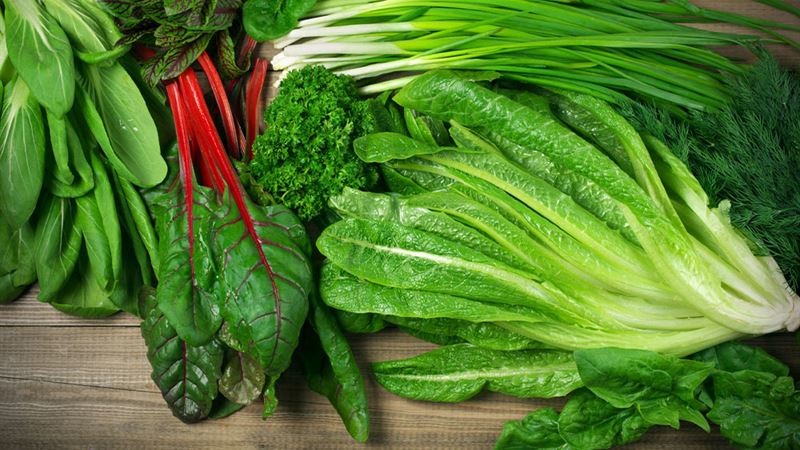
- Vegetables and Fruits: Rich in essential vitamins, minerals, and antioxidants, leafy greens like spinach, kale, arugula, and herbs help combat oxidative stress. Berries, citrus fruits, and apples provide vitamin C and polyphenols that support immune health and reduce inflammation.
- Healthy Fats: Incorporate sources like extra virgin olive oil, avocados, and nuts (almonds, walnuts, pistachios). These foods contain monounsaturated and omega-3 fatty acids, which are known for their anti-inflammatory properties.
- Legumes and Whole Grains: Beans, lentils, quinoa, and brown rice offer dietary fiber, protein, and vital nutrients, contributing to gut health and immune support. They also help in maintaining stable blood sugar levels.
- Natural Anti-Inflammatory Agents: Garlic, turmeric, and ginger include bioactive compounds that can help reduce systemic inflammation. Using these spices regularly in cooking adds flavor and health benefits.
- Hydrating Beverages: Adequate hydration is vital; include herbal teas, coconut water for electrolytes, and pure filtered water. Consuming juices and smoothies can also help maintain moisture, particularly for dry mouth and throat.
- Soups and Broths: Warm, nutrient-rich broths and pureed soups soften food, making swallowing easier and promoting salivary flow. Incorporate vegetables, lean proteins, and herbs into these to maximize nutritional intake.
- Omega-3 Fatty Acids: Found abundantly in oily fish such as salmon, mackerel, and tuna, omega-3s possess potent anti-inflammatory effects. Regular inclusion of these fish in the diet can significantly lessen symptoms and slow disease progression.
- Vitamin E: A powerful antioxidant present in sunflower seeds, almonds, flaxseeds, trout, and shellfish, vitamin E helps protect cells from oxidative damage and supports immune health.
- Processed and Packaged Foods: Items like candies, sugary cereals, white bread, and pasta contain high levels of refined sugars and additives that can spike blood sugar and promote inflammation.
- Spicy and Acidic Foods: Such foods can further irritate dry mouth and esophageal irritation, exacerbating symptoms.
- Red and Processed Meats: These have been linked to increased inflammation and cardiovascular risks, making them unsuitable for this condition.
- Potential Allergens: Dairy products, eggs, and peanuts may worsen dry mouth or induce immune responses, even if allergy symptoms are absent. It’s advisable to monitor reactions and limit or avoid these foods.
- Stimulants and Carbonated Beverages: Coffee, soda, and energy drinks contain caffeine and acids that can dehydrate tissues and worsen dryness.
- Incorporate smoothies, ice chips, and moist soups to soothe and hydrate dry mouth.
- Drink water regularly during meals to facilitate swallowing and reduce discomfort.
- Use broth-based dishes to soften foods and promote easier digestion.
- Opt for tender-cooked meats and stewed dishes to prevent dryness and make chewing simpler.
- Maintain routine medical check-ups to monitor symptoms, adjust dietary plans, and catch complications early.
While Sjogren’s syndrome currently lacks a cure, adopting a strategic diet and lifestyle modifications can significantly improve symptoms and quality of life. Emphasizing anti-inflammatory, nutrient-rich foods, staying well-hydrated, and avoiding triggers are crucial steps toward managing this autoimmune disorder effectively. Always consult healthcare providers or dietitians to develop a personalized plan that aligns with your health profile and symptoms. Continuous medical supervision and nutritional guidance will empower you to live healthily despite Sjogren’s syndrome.