
Comprehensive Guide to Three-Wheel Bicycles: Features, Benefits, and Buying Tips
Explore our comprehensive guide to three-wheel bicycles, covering types, benefits, buying tips, and accessories. Find out how to select the right model for your needs, ensuring comfort, safety, and value. Perfect for seniors, commuters, and recreational riders seeking stability and versatility in their cycling experience.
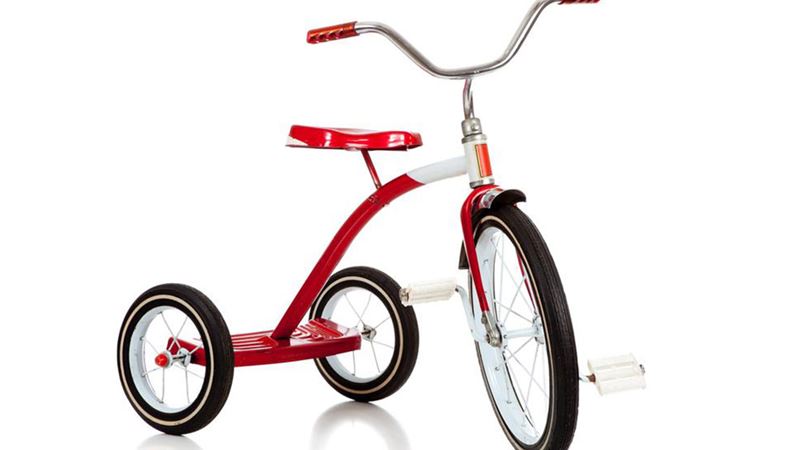
Three-wheel bicycles come in a variety of designs, each tailored to specific uses and user preferences. The most common models include traditional upright tricycles, recumbent trikes, and semi-recumbent variations. Understanding their structural differences and intended applications is crucial for selecting the right bike.
Traditional Upright Tricycles
These models resemble standard bicycles but with an added third wheel at the front or rear for stability. They are often favored by casual riders, commuters, and those with balance concerns. Upright tricycles typically feature a vertical seating posture, making pedaling and steering more straightforward. They usually have a simple, robust frame, making maintenance relatively easy. They’re ideal for flat terrains and short to moderate distances, serving recreational purposes or as practical transportation options.
Recumbent Trikes
Recumbent trikes differ significantly due to their reclining seat, which provides ergonomic support and reduces strain on the rider's back and neck. This design enhances comfort during longer rides, making them suitable for touring, fitness, or health-conscious cycling. They often come with adjustable seat positions, allowing riders to customize support and comfort levels. However, their lower center of gravity and different handling dynamics require some getting used to but offer superior back support and reduced fatigue.
Semi-Recumbent Models
Semi-recumbent bikes blend features of upright and recumbent styles, boasting a semi-reclined seating position that offers a balance between comfort and maneuverability. These are easier to pedal compared to fully recumbent bikes and are perfect for riders who want comfort without sacrificing agility. Their ergonomic design supports longer ride durations and is favored by those with back issues or mobility limitations.
Three-wheel bicycles provide numerous benefits compared to traditional two-wheel bikes, making them an excellent choice for many users. Here are some of the key advantages:
- Enhanced Stability: The extra wheel offers increased balance, making them safer for beginners, seniors, or individuals with balance challenges.
- Ease of Use: They require less skill to operate, particularly for people with mobility issues or those unfamiliar with cycling.
- Increased Cargo Capacity: Many tricycles come equipped with baskets or rear racks, suitable for shopping, carrying groceries, or transporting personal items.
- Comfortable Riding Positions: Especially in recumbent models, offering better back support and reducing fatigue during long rides.
- Customization Options: Available with various accessories, gears, and modifications tailored to specific needs.
Selecting the right three-wheel bicycle involves evaluating your specific needs, budget, and preferences. Consider the following aspects carefully:
Intended Usage
Determine whether you'll be using the bike for commuting, recreational riding, fitness, or specialized tasks like carrying loads. Different models cater to distinct purposes; for instance, recumbent trikes are better for long-distance touring, while upright models suit city commuting.
Terrain and Environment
Assess the terrain you'll frequent. Flat urban streets are suitable for most models, but hilly or rugged terrains may require bikes with specific gears, stronger frames, or larger wheels for durability.
Rider’s Physical Condition
Factor in mobility, balance, and ergonomic needs. Seniors or individuals with back problems may prefer recumbent models, while energetic cyclists might opt for semi-recumbent or upright styles.
Budget Constraints
Three-wheel bicycles range from affordable basic models to high-end, feature-rich options. Decide your budget beforehand to narrow down choices. Keep in mind that investing in quality often translates into better durability and additional features.
Size and Fit
Ensure the bike size matches your height and weight for comfort and safety. Adjustable features like seat height and handlebar position are crucial.
Shopping for a three-wheel bicycle can be done both online and offline. Each option has its own advantages and considerations:
Online Retailers
Browsing through online stores offers access to a wide range of models from various brands. You can compare specifications, read customer reviews, and often find better prices. Most e-commerce platforms provide detailed descriptions, videos, and specifications, making it easier to make an informed choice. When shopping online, ensure the seller offers reliable customer support, warranty, and after-sales services.
Local Bicycle Shops and Showrooms
Visiting a nearby showroom allows you to see, touch, and test different models physically. It also provides the opportunity to seek personalized advice from knowledgeable staff, discuss customization options, and get a feel for the bike's comfort and handling. Many shops offer test rides, which are invaluable for assessing suitability before purchase.
Additional Tips for Buying
- Ask about warranty and service programs.
- Check if spare parts and accessories are readily available.
- Inquire about maintenance requirements and costs.
- Compare prices across multiple outlets for the best deal.
The cost of three-wheel bicycles varies based on design, brand, features, and materials used. Entry-level models may start from a few hundred dollars, suitable for casual riding or short-distance travel. Mid-range options with better components and additional comfort features typically range between $500 and $1500. Premium models, especially those designed for touring, heavy-duty use, or with advanced customization, can cost upwards of $2000 or more.
Setting a clear budget helps streamline your options. Consider long-term investments; a higher upfront cost for a durable, high-quality tricycle may save money in repairs and replacements later. Always balance price with quality, and prioritize essential features for your specific use case.
Choosing the right three-wheel bicycle requires careful consideration of your individual needs, the terrain, comfort preferences, and your budget. Modern models have evolved to provide excellent stability, ergonomic designs, and versatile functions that cater to a broad range of users. Whether for daily commuting, leisurely rides, or transporting goods, there's a perfect tricycle suited for you. Remember to test ride multiple options, inquire about after-sales support, and invest in a reliable model that offers comfort, safety, and durability for many miles to come.
Embrace the benefits of three-wheel bicycles today—enjoy safer, more comfortable, and more accessible rides tailored to your lifestyle. With the right choice, cycling can become an even more enjoyable and practical activity, opening new avenues for adventure and mobility.